MC Hammer
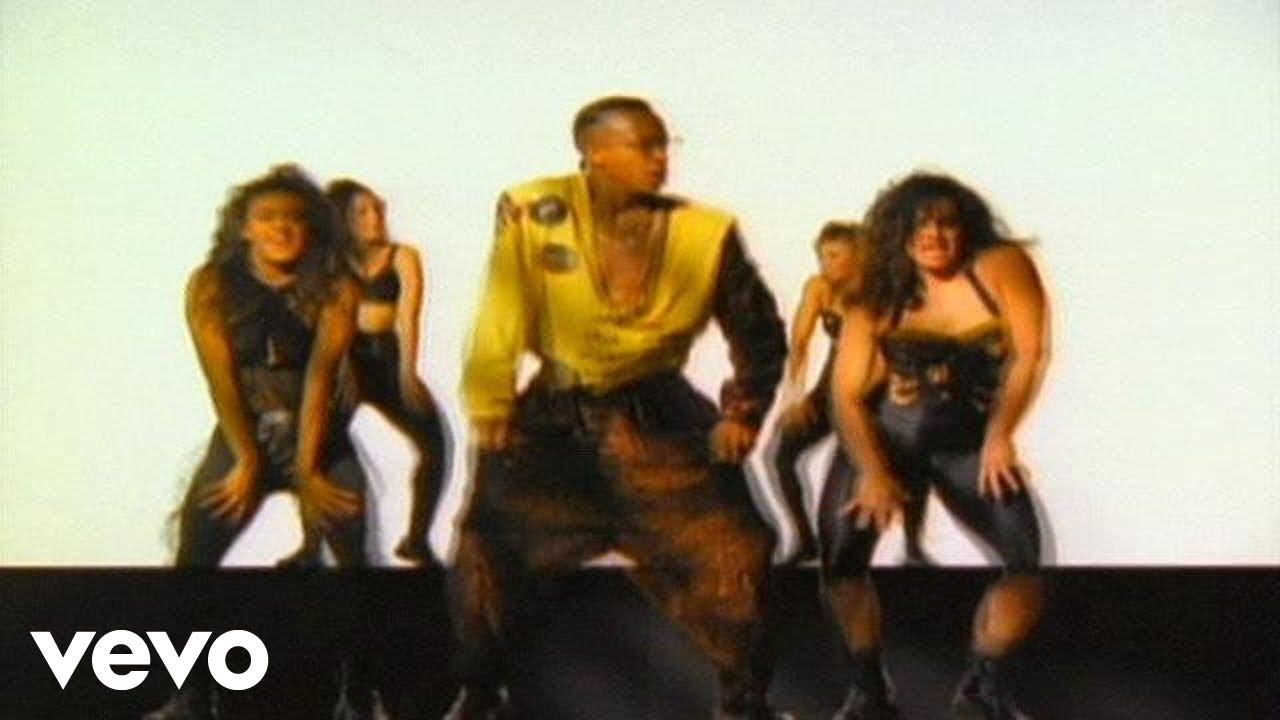
Parachute pants, nonstop choreography, and a chart run nobody could touch: in 1990 MC Hammer turned Oakland showmanship into the first diamond-certified hip-hop album and a one-man merchandise empire — dolls, lunchboxes, his own Saturday-morning cartoon. By 1996 the fortune was gone, but the silhouette of those pants is stamped on the decade forever.
Stanley Kirk Burrell grew up in Oakland, California, and as an 11-year-old found his way into the Oakland A's stadium parking lot, where he caught the eye of team owner Charlie Finley. Finley hired him as a clubhouse assistant, and the nickname came from Reggie Jackson, who said the kid looked like Hank Aaron. He was "Hammer" before he ever wrote a rap.
In February 1990, "Please Hammer Don't Hurt 'Em" dropped and rewrote the rules. The album spent 21 weeks at No. 1, became the first hip-hop album certified diamond — more than 18 million units sold — and made "U Can't Touch This," built on a sample of Rick James's "Super Freak," a worldwide phenomenon. The single peaked at No. 8 on the Billboard Hot 100 and won Grammys for Best Rap Solo Performance and Best R&B Song — the latter a shared credit with Rick James himself — two of the three Hammer collected that year. Hammer's look — the billowing parachute pants, the relentless full-sprint choreography — became the silhouette of the moment. Mattel made action figures; there were lunchboxes; "Hammerman," a Saturday-morning cartoon he hosted and voiced, hit the air in 1991. His follow-up that year, "Too Legit to Quit," sold over five million copies, its title track climbing to No. 5 on the Hot 100.
But Hammer lived as large as he performed — the enormous entourage, the payroll, the mansion — and by 1996 he filed for bankruptcy, more than $13 million in debt. He became an ordained preacher in the late 1990s and later moved into tech investing. His 1990 moment was perfectly timed: alongside Vanilla Ice's "Ice Ice Baby," it was the year pop-rap conquered the charts — and nobody conquered them harder, or in bigger pants, than Hammer.
Similar items
"Ice Ice Baby"
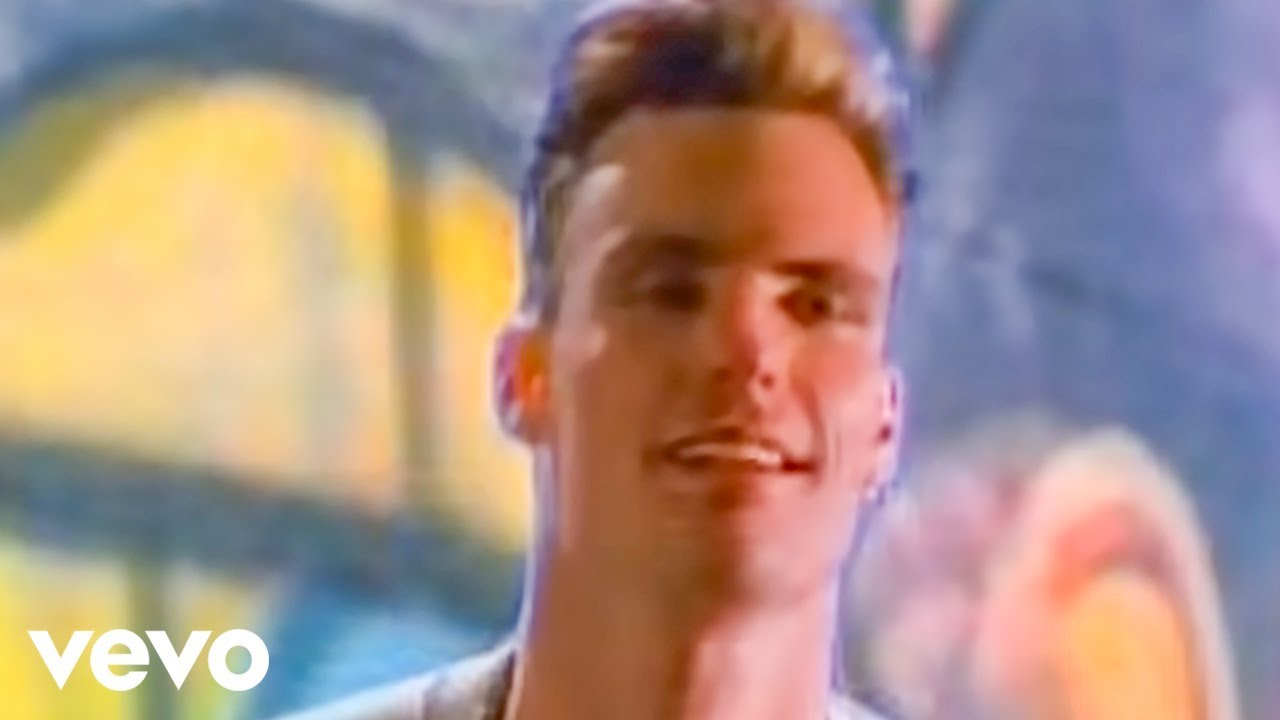
Stop, collaborate and listen: the B-side nobody wanted became the first hip-hop single ever to top the Billboard Hot 100. Vanilla Ice rode the "Under Pressure" bassline to the top of the charts — without crediting Queen or David Bowie, sparking one of music's landmark copyright fights.
Kris Kross
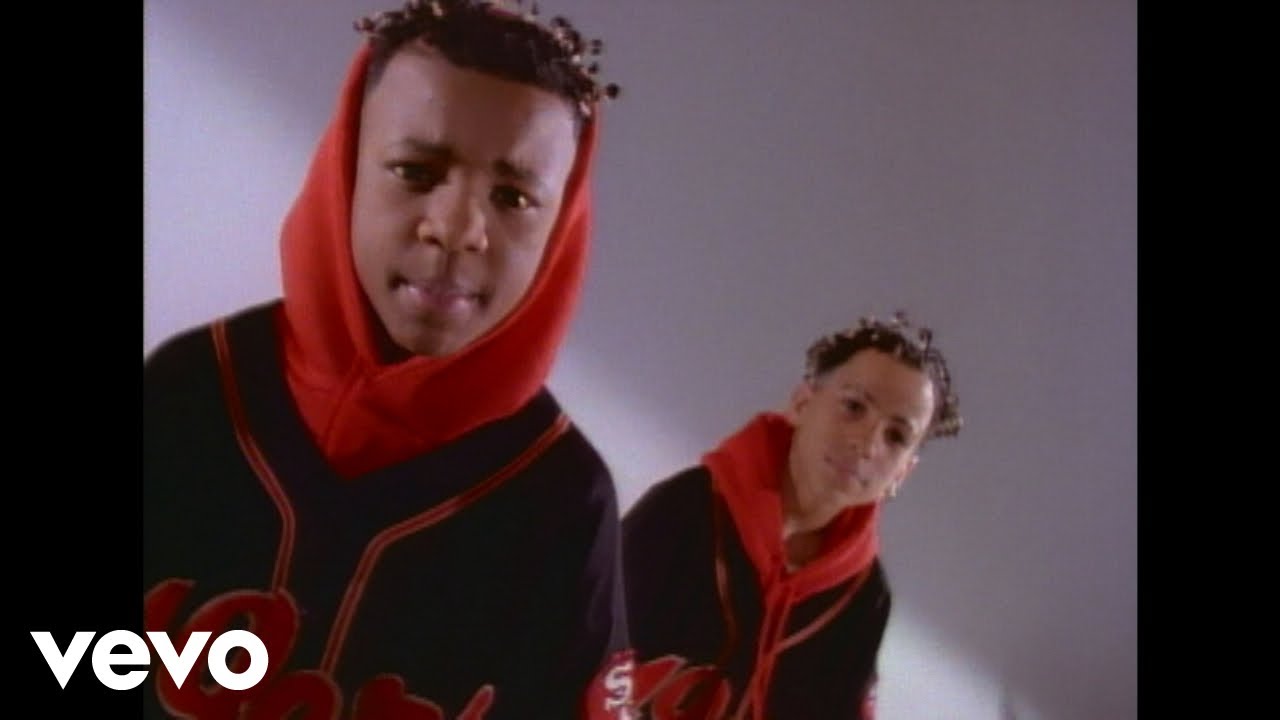
Two Atlanta kids in backwards clothes spent eight weeks at No. 1 with "Jump" — at 13, charting at an age no hip-hop group had matched. For one glorious stretch of 1992, half the playgrounds in America turned their jeans around.

"Baby Got Back"
"Oh, my God, Becky — look at her butt." Sir Mix-a-Lot's anthem to big butts spent five weeks at number one, got briefly banned by MTV, won a Grammy, and never once left the party playlist.
Grillz
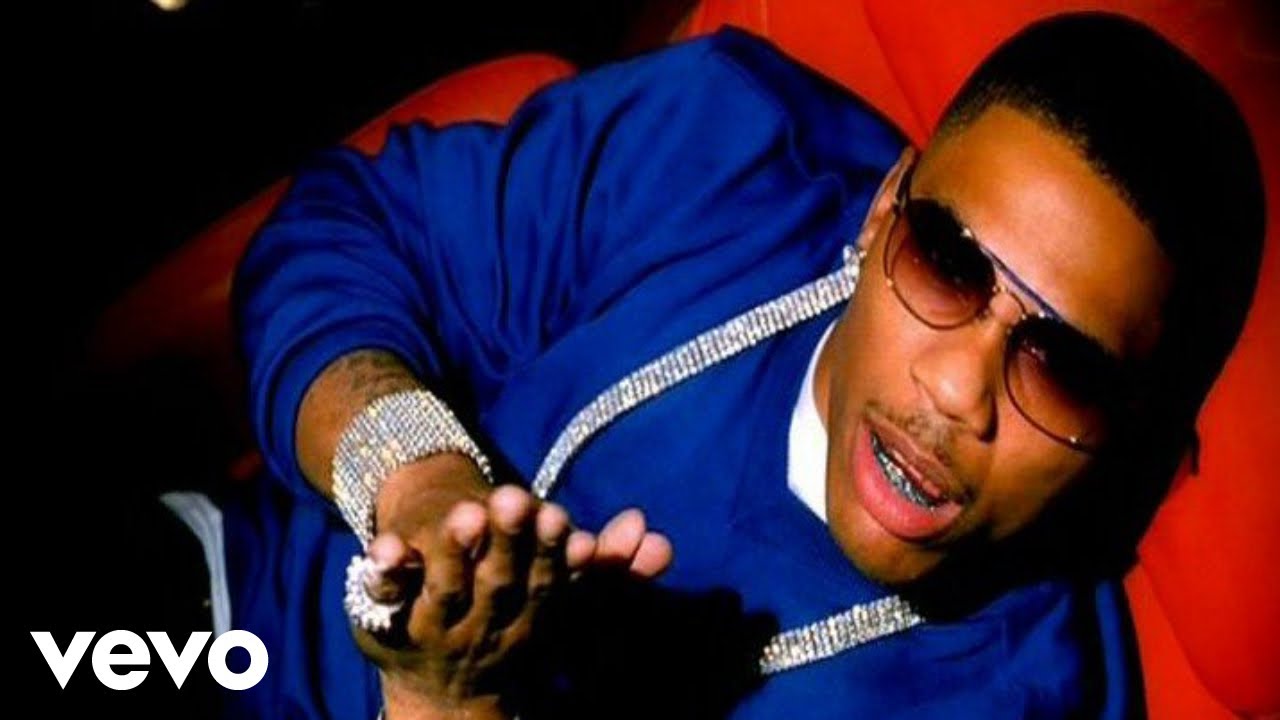
Removable gold and diamond teeth went from Southern hip-hop signature to national obsession, and for a couple of years the shiniest thing at the mall kiosk was dental. Nelly put the moment on wax — "Grillz" hit number one — and every yearbook from 2006 has at least one kid flashing a mouthful of metal.