Ludacris
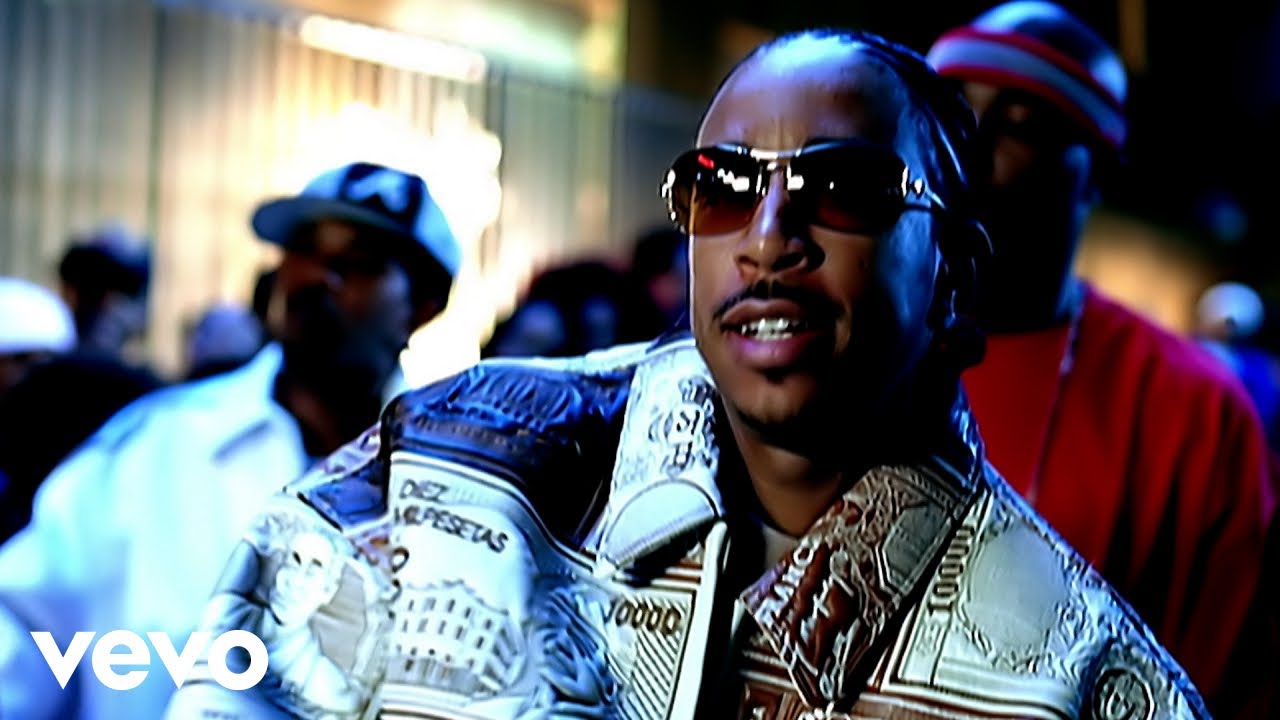
"Move" (the radio edit) and "Stand Up" turned an Atlanta radio DJ into the loudest voice of the Dirty South. Ludacris rapped like a cartoon with perfect timing, lost a Pepsi deal after Bill O'Reilly called for a boycott, and then became Tej in the Fast & Furious movies.
Christopher Brian Bridges was born in Champaign, Illinois, on September 11, 1977, moved to Atlanta as a kid, and graduated from the city's Banneker High School in 1995. He interned and DJed at Atlanta's Hot 97.5 under the name "Chris Lova Lova" before picking a stage name that played on the word "ludicrous." He released his debut, Incognegro, in 1999 through his own Disturbing tha Peace label; Def Jam South repackaged it as Back for the First Time in 2000, which reached number four on the Billboard 200 behind "What's Your Fantasy" and "Southern Hospitality." Wikipedia calls him one of the first Dirty South rappers to achieve mainstream success in the early 2000s.
Word of Mouf arrived in November 2001 and debuted at number three, carrying "Rollout (My Business)," "Area Codes" from the Rush Hour 2 soundtrack, and "Move Bitch," which radio knew as "Move" and which gave him his first top-ten single. Protesters even borrowed it as "Move, Bush, get out the way!" In August 2002 Bill O'Reilly called for a boycott of Pepsi over the rapper's promotional deal, and the next day reported that Pepsi had dropped him; the fight eventually ended with PepsiCo donating $3 million to Ludacris's foundation and other inner-city charities, and Ludacris answering on record in "Blow It Out" and "Number One Spot."
Chicken-n-Beer, released October 7, 2003, debuted at number one with 429,000 copies in its first week. Its single "Stand Up," produced by Kanye West with Shawnna on the hook, topped the Hot 100 the week of December 6, 2003, with a Dave Meyers video full of giant beer bottles and giant sneakers. That same year he played Tej Parker in 2 Fast 2 Furious, a part director John Singleton handed him after failing to bring Ja Rule back for the sequel, and he followed it with a role in Crash. His first Grammy came with Usher and Lil Jon for "Yeah!"
The Red Light District debuted at number one in 2004, and Release Therapy in 2006 brought a second number-one single in "Money Maker," a Best Rap Album Grammy, and a new fade haircut in place of the braids. He has stayed busy since, from a Justin Bieber hook to a Netflix cartoon, but the 2003 version, shouting "Stand Up" over a Kanye beat, is the one the decade remembers.
Similar items
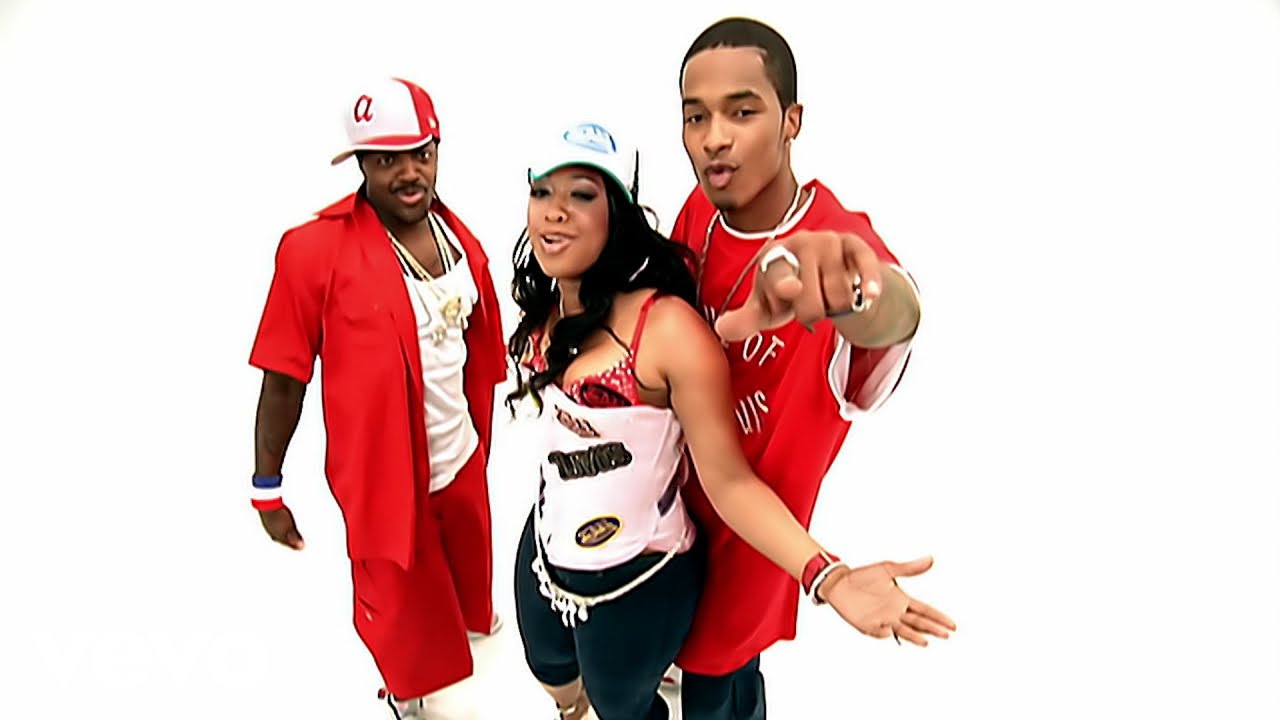
Chingy
In 2003 you could not get away from "Right Thurr" — St. Louis for "right there," stretched into one of the stickiest hooks of the decade. Chingy went from opening for Nelly to a number-two single and a multi-platinum debut album, and for a moment St. Louis had two of the biggest rappers on pop radio.
Usher — Confessions
Usher's 2004 album that opened with 1.1 million copies sold its first week and owned every school dance for the next year. "Yeah!" with Lil Jon and Ludacris became the crunk-and-B blueprint, and Confessions proved Usher was untouchable at the peak of 2000s R&B.

Lil Jon
Crunk's king — jeweled goblet, dark shades, dreads, and a three-word vocabulary delivered at maximum volume. Jonathan Smith came up through Atlanta's rap scene and spent the mid-2000s making the loudest, most fun records on the radio. He didn't just ride the decade; he supplied its energy.

The Fast and the Furious
Paul Walker's undercover cop, Vin Diesel's Toretto, NOS buttons, neon underglow, and "I live my life a quarter mile at a time." The $38 million sleeper that made import-tuner street racing the defining car culture of the decade.