Madden NFL

Every August a new Madden, and every year the same arguments: the rosters, the ratings, the cover, the curse. EA's football series started as "Trip's Folly" in 1988, became an annual release in 1990, and in the 2000s turned into a calendar event, complete with a tournament on Super Bowl weekend and a reality show about finding the best player in America.
Trip Hawkins went to John Madden in 1984 wanting a football game built like the Strat-O-Matic simulations he loved, and Madden set one condition that nearly killed the project: eleven players a side, not the six or seven EA proposed, which was so hard to pull off on 1980s hardware that the game was nicknamed "Trip's Folly" inside the company. John Madden Football finally shipped for the Apple II in 1988. The 1990 Sega Genesis version is the one that mattered: EA expected to sell 75,000 copies and sold 400,000, and the yearly series grew out of it. The series had sold more than eight million units by 1996.
The ritual took shape around the turn of the century. Madden NFL '99 added Franchise Mode, which let you run a team for 15 seasons (later editions stretched it to 30) and turned a sports game into a decade-long couch commitment. Release dates settled into August, just ahead of the real season (Madden NFL 2000 arrived on August 31, 1999). Around the game grew a calendar of its own: the Madden Bowl, a tournament held on Super Bowl weekend in the host city since 1995; Madden Nation, an ESPN reality show from 2005 to 2008 that crossed the country looking for the best player; and, since 2004, EA's annual simulation of the Super Bowl in the latest edition.
Then there is the curse. Madden himself was on nearly every cover before 1998, when running back Garrison Hearst appeared on the European box and then broke his ankle in the playoffs. Starting with Eddie George in 2000, EA put a top player on the cover each year over Madden's objections, and the bad luck piled up: Michael Vick broke his fibula and missed eleven games the season he fronted Madden NFL 2004. EA's Chris Erb insisted, "I don't know that we believe in the curse. The players don't believe in the curse," but bookmakers offer odds on the cover athlete getting hurt.
The decisive moment came in the summer of 2004. ESPN NFL 2K5 shipped on July 20 at $19.99 against Madden's $49.99; one EA developer later admitted "it scared the hell out of us," and EA cut Madden NFL 2005 to $29.95. The game still sold more than four million copies that year, and in December 2004 EA signed an exclusive license with the NFL and the players' union, reportedly worth $300 million, that made Madden the only licensed NFL simulation game from 2004 until 2022. By 2021 the series had sold more than 150 million copies.
Similar items

NFL Blitz
The arcade football game that threw the rulebook in the trash: seven-on-seven, 30 yards for a first down, no penalties, and late hits actively encouraged — you could body-slam a guy well after the whistle. From the NBA Jam bloodline, with the same announcer energy: "DA BOMB!"
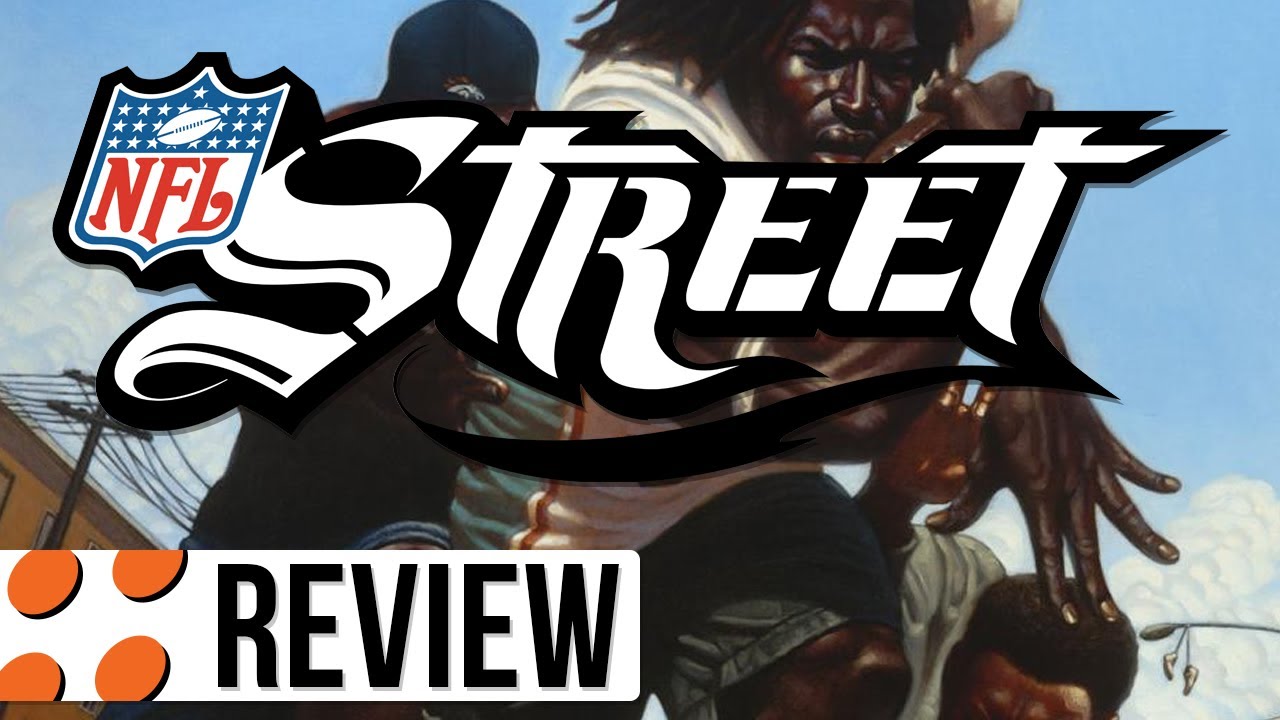
NFL Street
Seven-on-seven football with no penalties, no injuries, and no uniforms — just NFL players in street clothes talking trash on a concrete lot. Taunt the defense while you run and you fill the Gamebreaker meter. EA Sports BIG's 2004 answer to the question of what football looks like with all the rules taken out.

NBA Jam
"BOOMSHAKALAKA!" Midway's two-on-two arcade basketball threw out the rulebook — players leapt three times their own height, shoved each other to the floor, and burst into flames after three straight buckets. It was loud, ridiculous, and impossible to walk past without feeding it a quarter.

PlayStation 2
The black rectangle that invaded living rooms worldwide as an affordable DVD player and happened to pack the best game library ever assembled. With over 155 million sold—the best-selling console of all time—the PlayStation 2 didn't just dominate gaming; it became the era's default home entertainment hub.