Linksys WRT54G
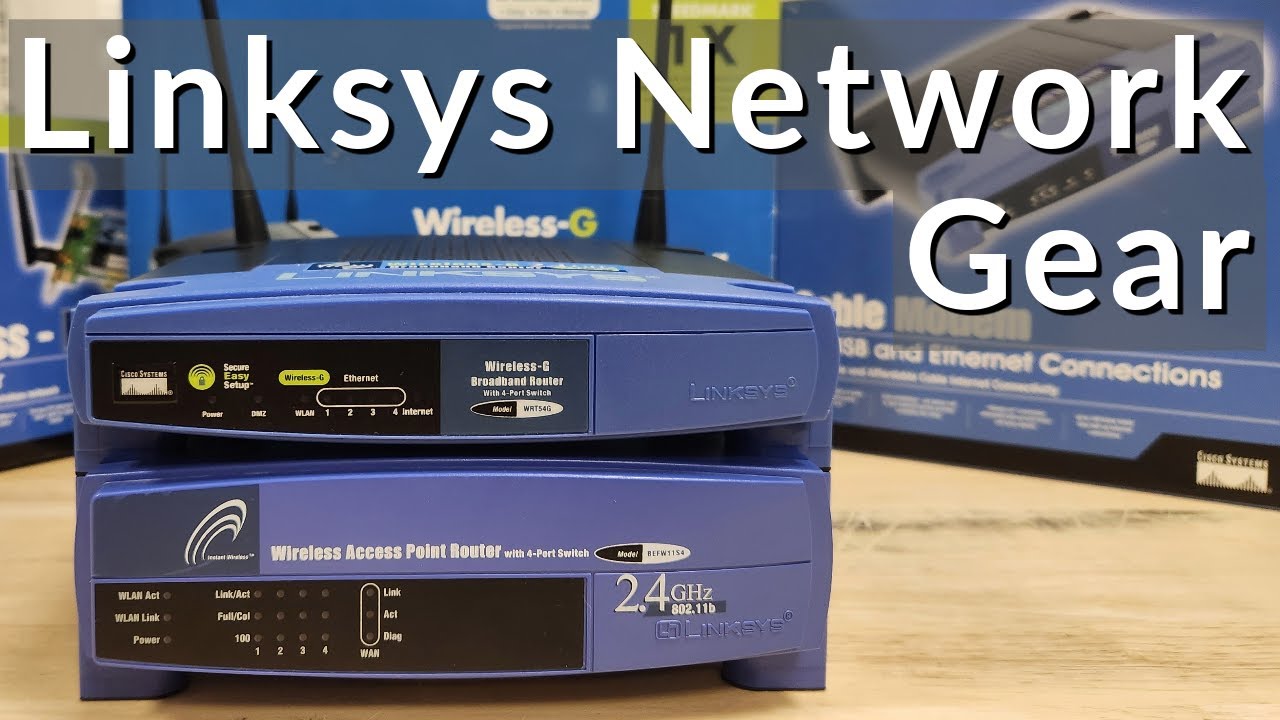
The blue-and-black box that put Wi-Fi in the living room. Cheap, everywhere, and secretly running Linux — which one mailing-list post in 2003 turned into an open-source legend that outlived the router itself.
Linksys started as a garage company: Janie and Victor Tsao, immigrants from Taiwan, founded it in Irvine, California, in 1988 to sell printer sharers, then network cards, then in the late 1990s the first affordable multiport router. Its first Wi-Fi router came in 2001, and the WRT54G followed in December 2002: 802.11g wireless, a four-port switch plus an Internet port, two screw-on antennas, and a blue-and-black case that became a fixture of the home network. By the time Cisco bought Linksys in 2003, the company had 305 employees and more than $500 million in revenue.
In May and June 2003 a Linux user named Andrew Miklas posted to the Linux kernel mailing list that the WRT54G was running Linux, that the GPL obliged Linksys to publish the source, and that his emails to the company had gone unanswered. Linksys called the omission an isolated mistake, and by July the news site Slashdot reported it had "caved to community pressure" and released code; in October the Linux weekly LWN found the kernel tarball still incomplete, with the Free Software Foundation handling the case. The Foundation later sued Cisco for copyright infringement, and the suit was settled. Out of that source grew DD-WRT, Tomato and OpenWrt, third-party firmware that turned a cheap home router into a hobbyist platform.
Then Linksys broke the magic. Version 5 of the WRT54G cut the flash memory to 2 MB and swapped Linux for VxWorks, too small for the community firmware. The answer, in 2005, was the WRT54GL — the "L" allegedly standing for Linux — a reissue of the version-4 hardware that would later be billed as the best-selling router of all time. The family sprawled into a GS with "SpeedBooster," a three-antenna "Pre-N" GX and a Vonage model with phone jacks, and in 2013 Cisco sold Linksys to Belkin.
Similar items
Dial-Up Internet
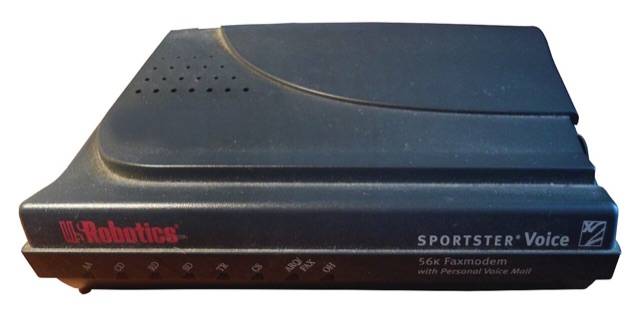
That modem squeal. The frozen phone line. "Get off the internet, I need to make a call." Dial-up was the sound and the ritual of getting online for a generation of American homes — peaking in the dot-com years, overtaken by broadband around 2004, and lingering until AOL finally hung up in 2025.

Windows XP
The operating system with the rolling green hill wallpaper—Windows XP arrived in October 2001 with Luna's glossy blue taskbar, the green Start button, and the cheerful startup chime that defined a generation's relationship with computers. It was stable, beloved, and so enduring that users clung to it long after Microsoft stopped supporting it, making it the most iconic OS of the 2000s.

LimeWire & Napster
The lawless era of free music: you queued up a download that would take three hours on dial-up, crossed your fingers it wasn't mislabeled, and hoped even harder it wasn't a virus. Napster and LimeWire were the P2P revolution that detonated the music industry, made kids into accidental outlaws, and eventually gave way to iTunes.

AIM & MSN Messenger
The after-school ritual: logging on to a dial-up modem, scanning your buddy list, typing AIM away messages packed with song lyrics and veiled drama, and knowing your 12-year-old screen name would haunt you forever. AIM and MSN Messenger were the social nervous system of the '90s and 2000s — instant, informal, and utterly addictive.