Leprechaun
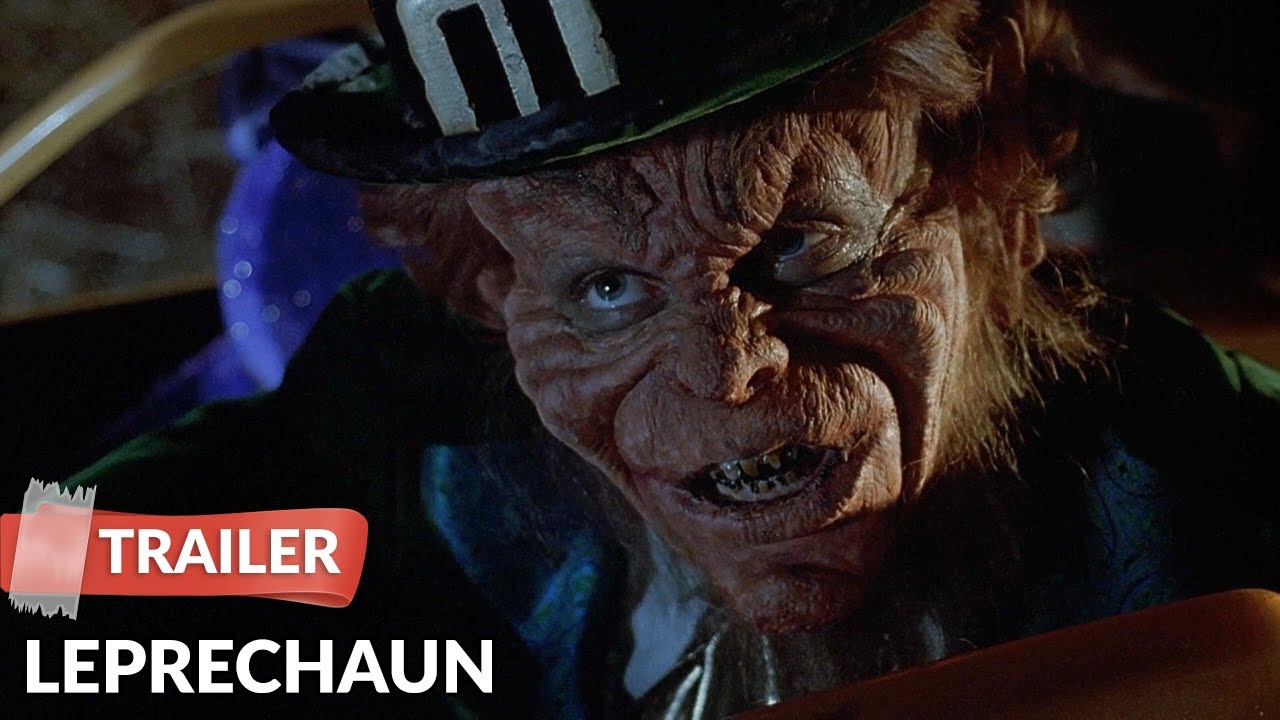
A wisecracking, gold-obsessed leprechaun rampages through rural North Dakota, and a pre-Friends Jennifer Aniston is in his way. Mark Jones's 1993 horror-comedy was made for under a million dollars, spawned a franchise that went to space and the hood, and became a video-store rite of passage.
Leprechaun opened in January 1993 with a premise that sounds like a dare: an ancient leprechaun, robbed of his pot of gold, murders his way through a farmhouse full of people to get it back. Writer-director Mark Jones — a TV veteran making his feature debut — built the whole thing around Warwick Davis, who played the creature under heavy prosthetics with gleeful, rhyme-spouting menace. Davis's leprechaun had fixations that made him weirdly endearing — above all a compulsion to stop and shine any scuffed shoe in his path, a folkloric weakness the heroes eventually weaponize.
The film's most famous casting note came from the other side of the marquee: a young Jennifer Aniston, in her first major film role, played Tory Redding, the reluctant city girl fending off the creature. Less than two years later she was Rachel Green on Friends, and Leprechaun became the answer to a trivia question — the horror cheapie the world's biggest sitcom star made right before the fame hit.
Made for roughly $900,000, Leprechaun grossed about $8.5 million domestically — modest in theaters, but the real business happened on video-store shelves, where the lurid box art practically rented itself to sleepover crowds. Trimark kept the gold coming: Leprechaun 2 (1994), Leprechaun 3 (1995), the gloriously titled Leprechaun 4: In Space (1997), and then Leprechaun in the Hood (2000) and Back 2 tha Hood (2003), each entry drifting further into self-aware comedy. Davis played the creature six times across a decade, giving the 90s one of its most improbable horror icons: a villain nobody was truly scared of and everybody rented anyway.
Similar items
The Blair Witch Project
Three film students walk into the Maryland woods to document a local legend; only their footage comes back. The Blair Witch Project cost less to shoot than a used car and grossed nearly $250 million in 1999 — because its marketing convinced a meaningful slice of America that the tape was real and the actors were dead.
Scream
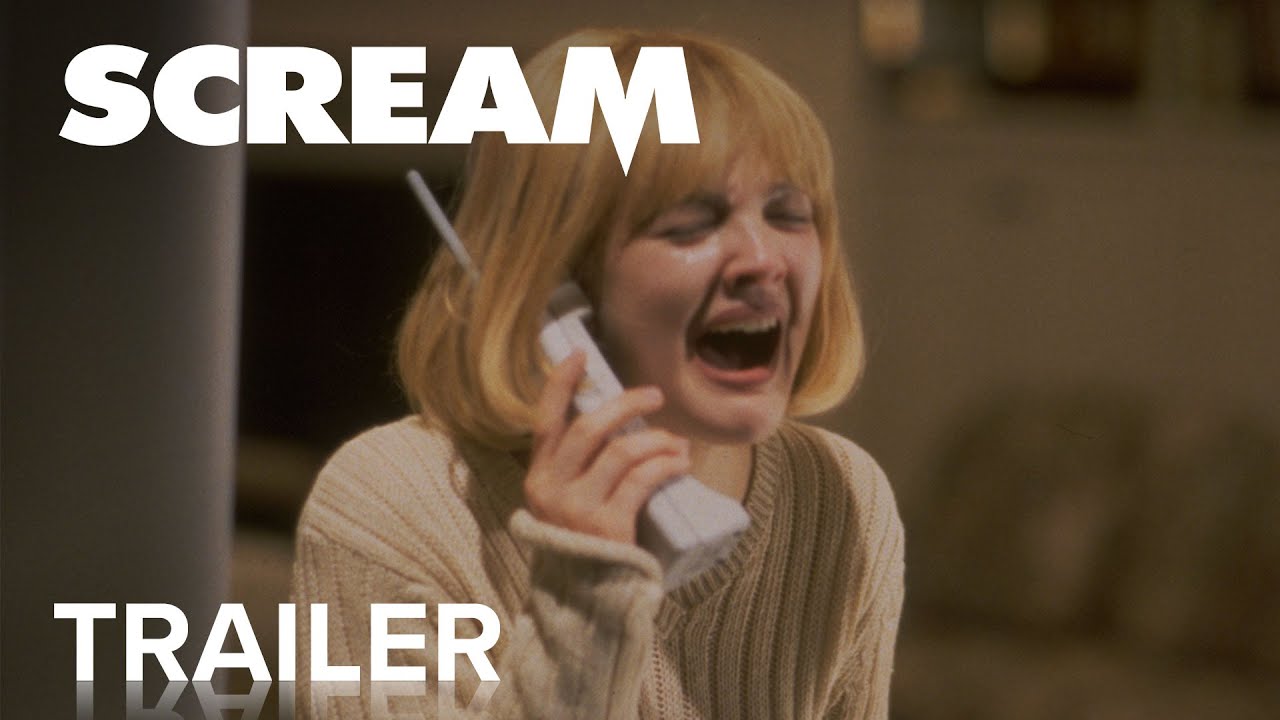
Ghostface's taunting phone calls — "What's your favorite scary movie?" — and a cast of teens who knew all the horror rules and died anyway. Wes Craven's self-aware slasher reinvented the genre for the Blockbuster generation.

28 Days Later
Cillian Murphy wakes from a coma to an emptied Britain: the Rage virus, grainy DV cameras, and infected that sprint. Danny Boyle and Alex Garland's $8 million nightmare reinvented the zombie movie's speed limit — even though, as every pedant will happily tell you, they're infected, not zombies. For a generation this was the scariest thing a friend's older brother ever put on.

Paranormal Activity
A camera on a tripod, a bedroom door, and whatever it is that moves while they sleep. The $15,000 haunted-house movie that terrified test audiences into walking out — and rode a 'Demand It' campaign to nearly $200 million in the fall of 2009.