Candyman

A hook-handed killer summoned by his own name in a bathroom mirror — Candyman is the horror film that made a real sleepover ritual out of a movie moment. Bernard Rose's 1992 adaptation of Clive Barker's short story moved an urban legend from Liverpool to Chicago's Cabrini-Green, grounding its scares in real inequality and marginalization. The dare echoed perfectly into 1990s playgrounds and sleepovers, where a generation of kids tested their nerve against Virginia Madsen's grad student and Tony Todd's unforgettable menace.
Candyman began as Clive Barker's short story 'The Forbidden,' a tale of urban terror with roots in Liverpool's class anxieties. When Bernard Rose decided to adapt it for film, he made a radical choice: transplant the legend to Chicago's Cabrini-Green housing project and reframe it entirely around American racial inequality and the way urban legends take root in communities marginalized by the city above. That shift transformed Barker's original premise into something sharper and more resonant, centering the story on how myths emerge from real injustice.
Rose assembled the cast to make that vision stick. Tony Todd became Candyman — the spirit of a 19th-century artist slain over an interracial romance, now a hook-handed urban phantom who materializes when summoned. Virginia Madsen played Helen Lyle, a graduate student researching urban legends who sets the dare in motion by saying his name five times into a bathroom mirror. Philip Glass's haunting score amplified every moment, burrowing into the viewer's nerves with its hypnotic dread. When the film hit theaters on October 16, 1992, it arrived fully formed and genuinely unsettling.
The mirror dare became the movie's calling card — and its most potent artifact. Kids who'd seen Candyman brought the ritual home to sleepovers and middle-school bathrooms, daring each other to stand alone and chant his name into the glass. It was Bloody Mary's meaner cousin, grounded in a film so effective that the dare felt real enough to matter. The 90s had no shortage of horror films, but few generated that particular kind of sleepover folklore, the kind that lives in whispered dares and bathroom-light negotiations.
Candyman grossed $25.8 million domestically and earned generally positive reviews on release — respectable but not massive. What changed was time. Critics and audiences eventually ranked it among the modern horror classics, a film that understood dread and symbolism in ways that outlasted the jump scares. A sequel, Candyman: Farewell to the Flesh, arrived in 1995, extending the mythology while the original only deepened in memory.
Similar items
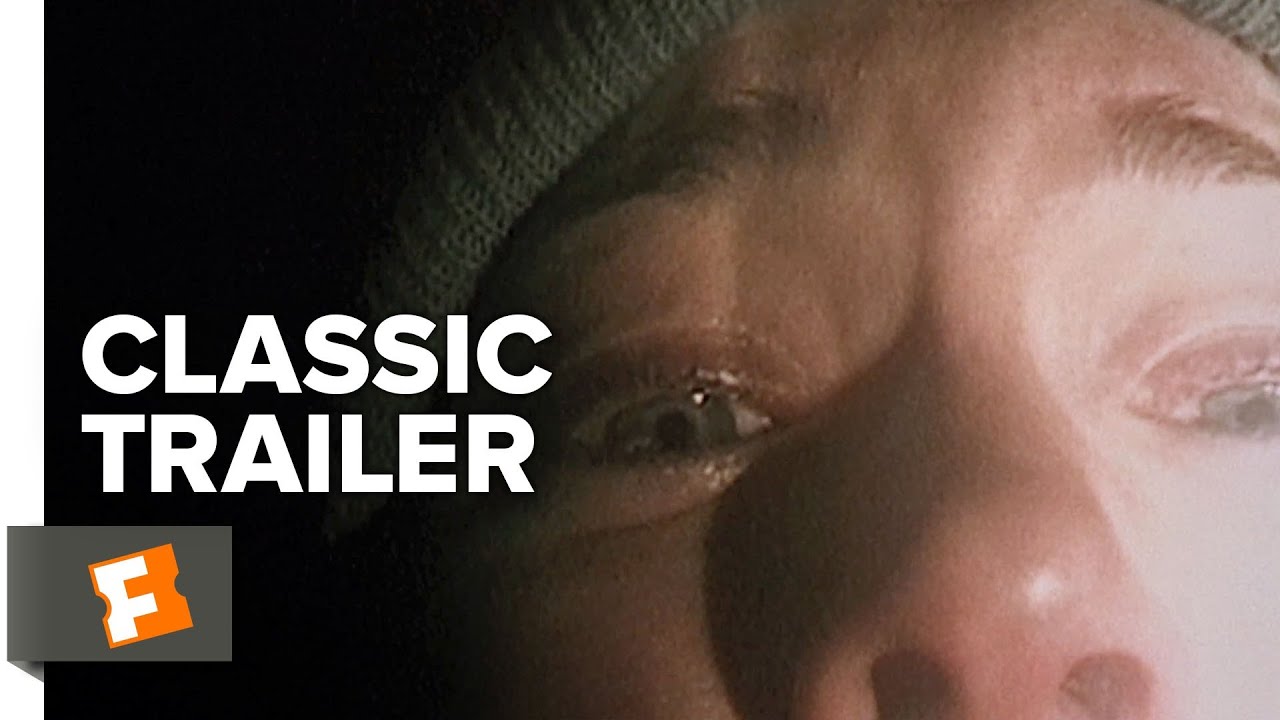
The Blair Witch Project
Three film students walk into the Maryland woods to document a local legend; only their footage comes back. The Blair Witch Project cost less to shoot than a used car and grossed nearly $250 million in 1999 — because its marketing convinced a meaningful slice of America that the tape was real and the actors were dead.
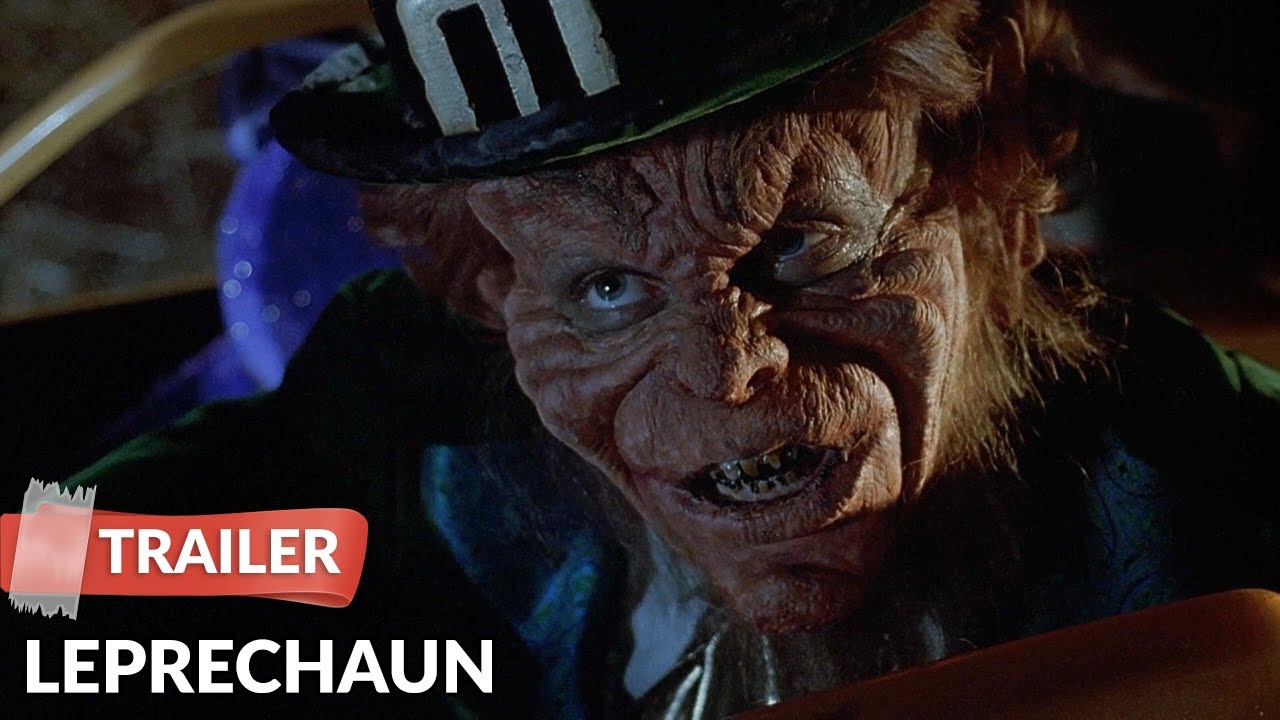
Leprechaun
A wisecracking, gold-obsessed leprechaun rampages through rural North Dakota, and a pre-Friends Jennifer Aniston is in his way. Mark Jones's 1993 horror-comedy was made for under a million dollars, spawned a franchise that went to space and the hood, and became a video-store rite of passage.
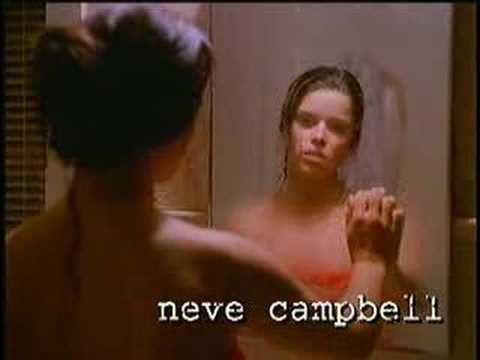
Neve Campbell
A classically trained dancer from Canada who became the scream queen of the '90s. Party of Five made her a household name; The Craft proved she could anchor a cult phenomenon. By Scream 3, Sidney Prescott was her definitive role—the rare horror heroine who could carry an entire franchise. In the 2000s, she stepped back to pursue her own creative vision.
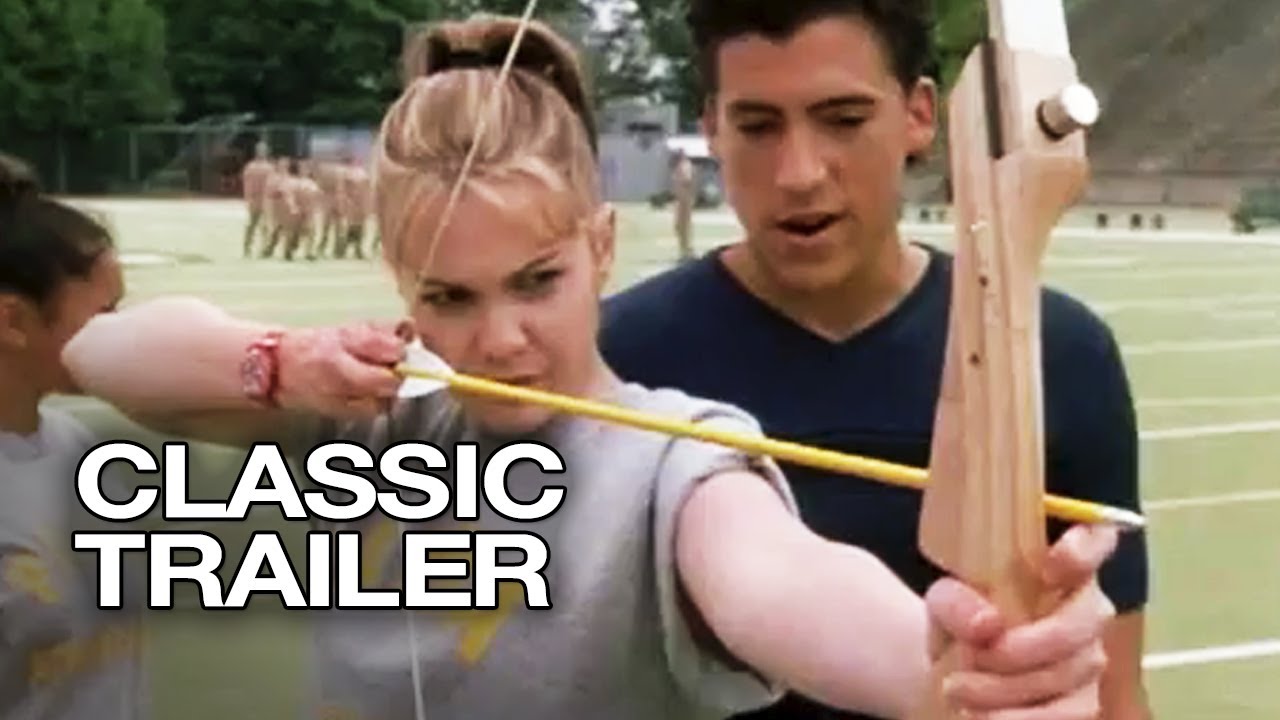
10 Things I Hate About You
A witty modernization of Shakespeare's The Taming of the Shrew transplanted to a Seattle-area high school, starring Julia Stiles and Heath Ledger. A modest hit in theaters, it grew into a generational classic and launched the breakout careers of its three young leads.