The Blair Witch Project
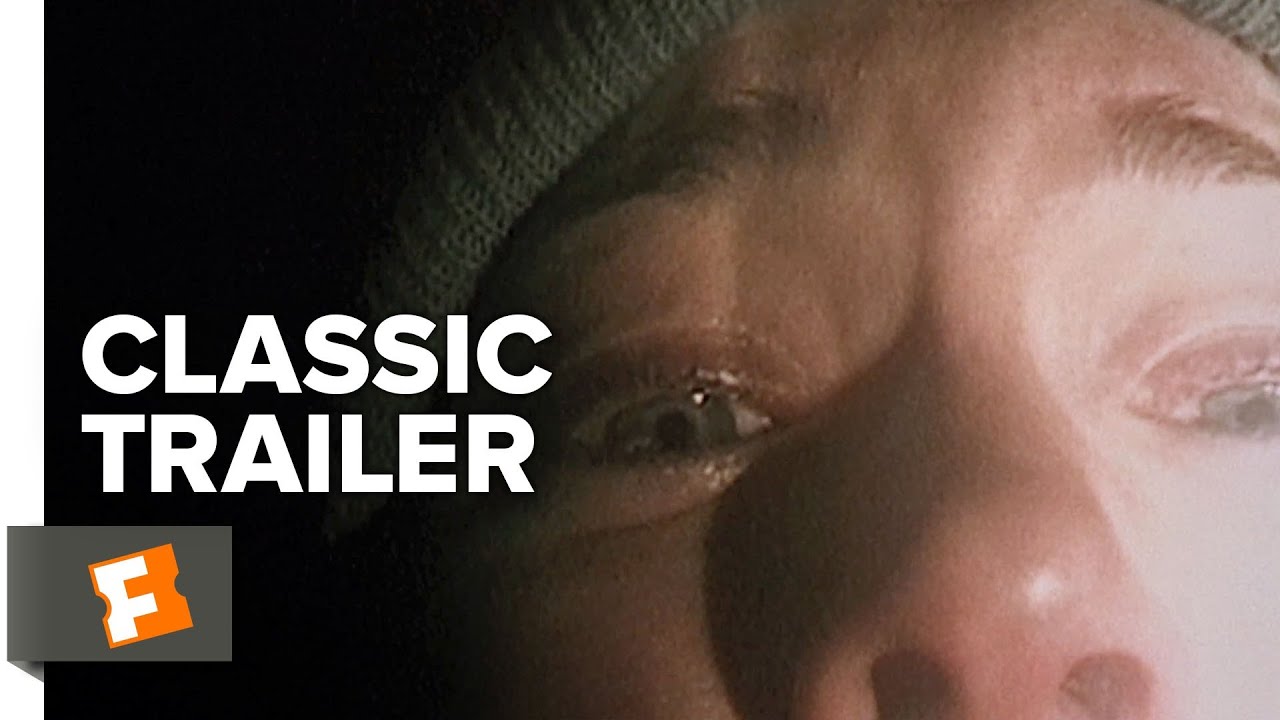
Three film students walk into the Maryland woods to document a local legend; only their footage comes back. The Blair Witch Project cost less to shoot than a used car and grossed nearly $250 million in 1999 — because its marketing convinced a meaningful slice of America that the tape was real and the actors were dead.
In October 1997, directors Daniel Myrick and Eduardo Sánchez sent three actors — Heather Donahue, Michael C. Williams, and Joshua Leonard — into the Maryland woods with cameras and a rough scenario, shooting a legend they set in the town of Burkittsville. For eight days the actors filmed themselves and improvised their dialogue — every frame in the finished film was shot by the cast. The shoot cost somewhere in the tens of thousands of dollars — commonly cited between $35,000 and $60,000, with post-production pushing the true figure into the hundreds of thousands. Out of that came the defining horror artifact of 1999: a movie assembled entirely from the characters' own shaky, terrified footage.
What made it a phenomenon wasn't the film alone — it was the greatest marketing campaign of the early internet. The Blair Witch website went up in June 1998, a full year before release, laying out the "case" with faux police reports and interviews about three missing students. Missing-person flyers circulated at film festivals. IMDb listed the three actors as "missing, presumed dead" during the film's first year, and the cast was kept out of the press to protect the illusion. Two days before the theatrical release, the Sci-Fi Channel aired Curse of the Blair Witch, a mockumentary dressing the invented legend up with manufactured newspaper clippings and newsreels. The line between movie and hoax was drawn so faintly that plenty of 1999 moviegoers crossed it without noticing.
After a midnight Sundance screening in January 1999, Artisan Entertainment bought the film for $1.1 million and released it that July into a media frenzy. It grossed roughly $248 million worldwide — one of the most profitable films ever made relative to its cost — and Heather Donahue's flashlight-lit, runny-nosed apology into the camera became one of the most parodied shots of the decade.
The Blair Witch Project didn't invent found-footage horror, but its success turned the form into a genre — Paranormal Activity, Cloverfield, and two decades of shaky-cam descendants trace straight back to it. And its deeper insight was bigger than horror: the internet doesn't just advertise a story. It can make one feel true.
Similar items
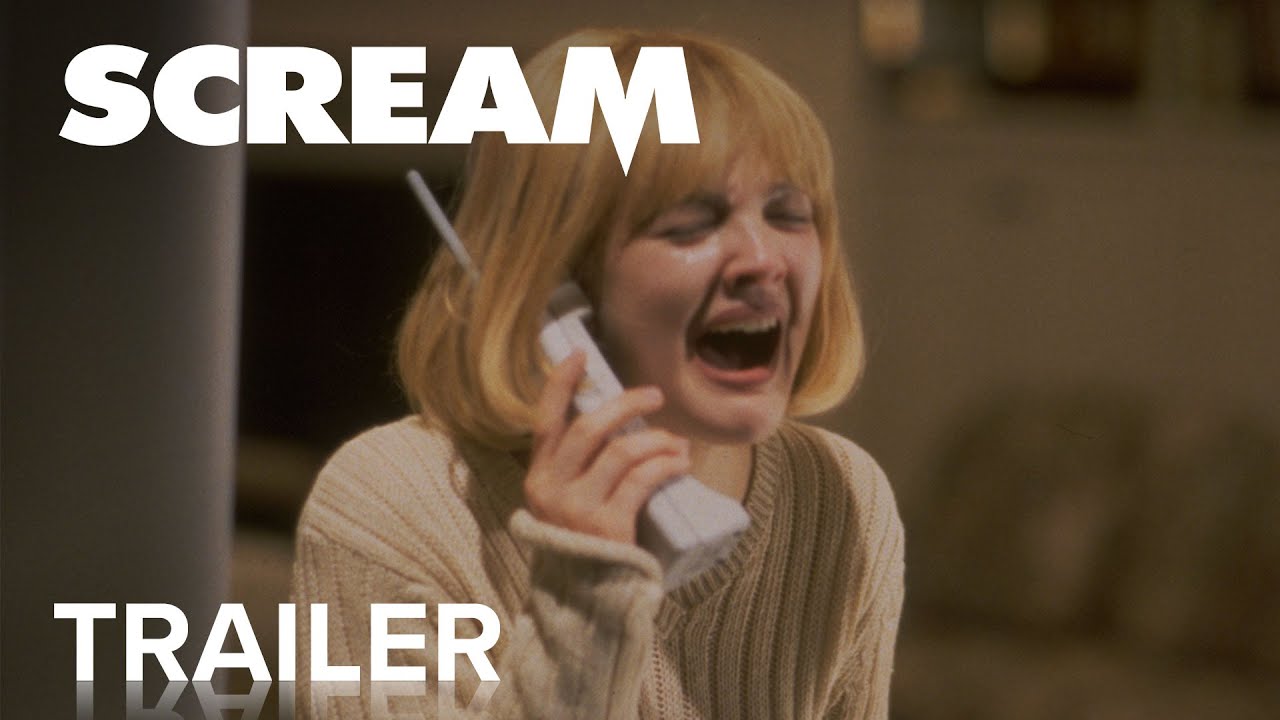
Scream
Ghostface's taunting phone calls — "What's your favorite scary movie?" — and a cast of teens who knew all the horror rules and died anyway. Wes Craven's self-aware slasher reinvented the genre for the Blockbuster generation.
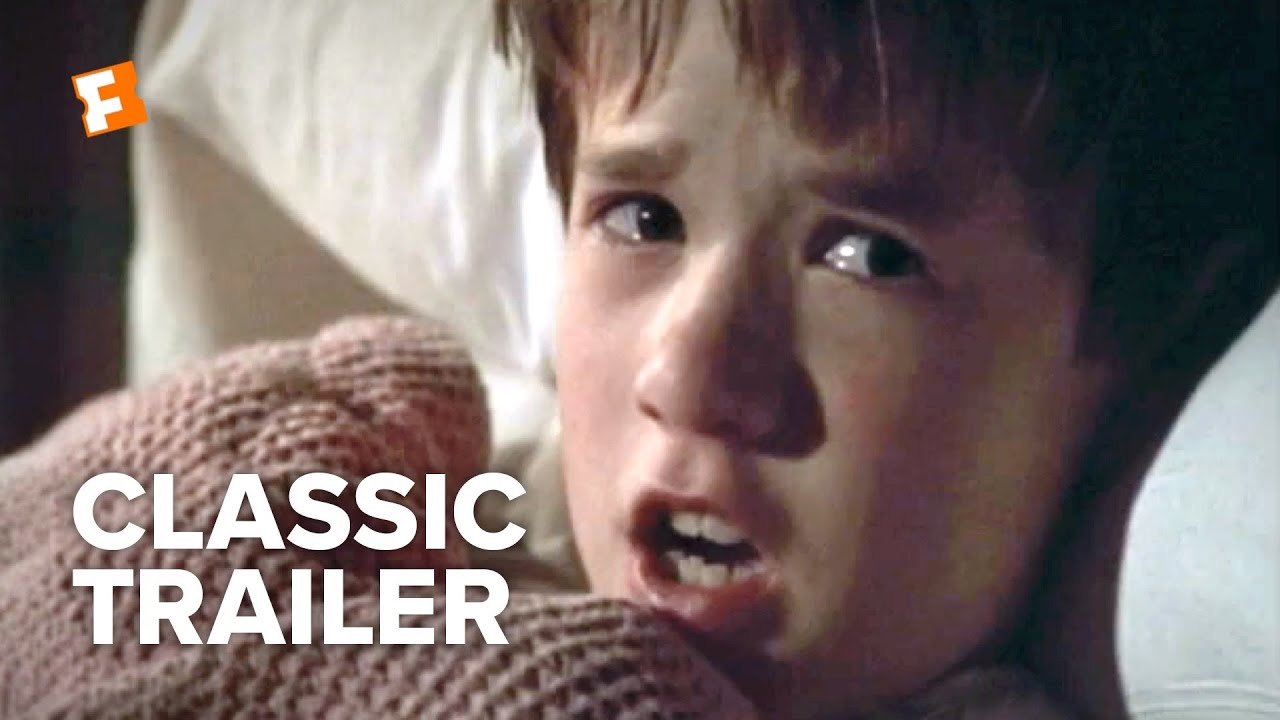
The Sixth Sense
M. Night Shyamalan's breakout thriller about a child psychologist (Bruce Willis) treating a boy (Haley Joel Osment) who whispers the film's immortal line: 'I see dead people.' A cultural phenomenon that made the twist ending a permanent fixture of cinema and grossed over $670 million worldwide.
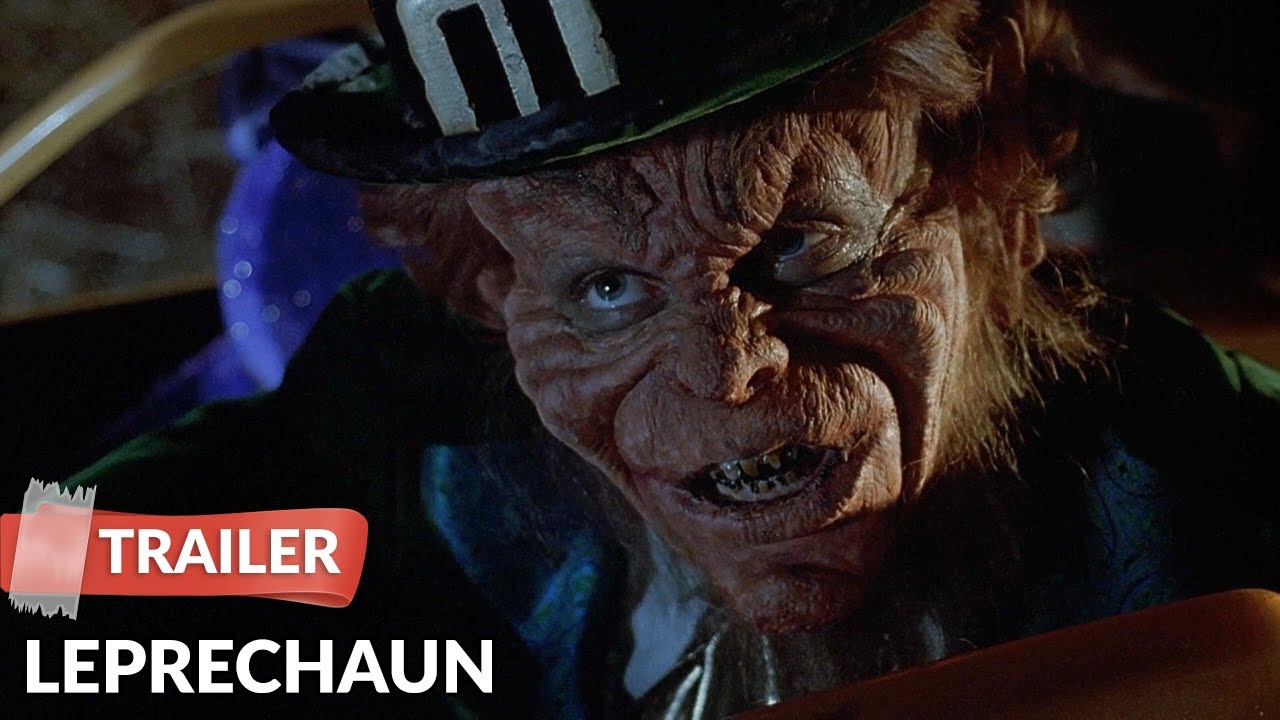
Leprechaun
A wisecracking, gold-obsessed leprechaun rampages through rural North Dakota, and a pre-Friends Jennifer Aniston is in his way. Mark Jones's 1993 horror-comedy was made for under a million dollars, spawned a franchise that went to space and the hood, and became a video-store rite of passage.

Cloverfield
The last great movie mystery born from a teaser with no title, just a date: 1-18-08. Message boards dissected every frame for months before anyone knew what it was.