28 Days Later

Cillian Murphy wakes from a coma to an emptied Britain: the Rage virus, grainy DV cameras, and infected that sprint. Danny Boyle and Alex Garland's $8 million nightmare reinvented the zombie movie's speed limit — even though, as every pedant will happily tell you, they're infected, not zombies. For a generation this was the scariest thing a friend's older brother ever put on.
Alex Garland's script drew on two touchstones — George A. Romero's Night of the Living Dead films and John Wyndham's novel The Day of the Triffids — and bent the formula: the monsters aren't the undead but the living, overtaken by a rage-inducing virus unleashed from a research lab. Danny Boyle directed; the film opened in the UK on November 1, 2002 and reached America via Fox Searchlight on June 27, 2003.
The images that made it immortal come early. Cillian Murphy's Jim — a bicycle courier who wakes from a coma in a deserted hospital 28 days after the outbreak — wanders an emptied London in hospital scrubs, across Westminster Bridge and past walls of missing-persons flyers. The crew got those shots by closing streets for brief stretches in the early morning and shooting on consumer-grade Canon XL1 digital-video cameras (only the final sequence used 35mm film). The rough, grainy DV texture became the film's language: catastrophe that looks like home-video, too real to be a movie. History pressed in on the production, too — the September 11 attacks happened during filming, and Boyle later noted the eerie parallel between the film's flyer walls and the real ones that appeared in New York, doubting the production would even have been allowed to close Whitehall afterward.
Then there's the running. Boyle didn't consider it a zombie film at all — his infected are alive, fast and furious, not shambling corpses — but that distinction is exactly what re-lit the genre. 28 Days Later is credited with reinvigorating zombie cinema and popularizing the fast zombie, proving dread could move at a sprint, while John Murphy's slow-building score crawled under it all. Made for $8 million, it grossed $82.8 million worldwide — about $45 million of it in the US — one of the most profitable horror films of its year.
The aftermath kept going: 28 Weeks Later in 2007, and — after a long dormancy — the series' return with 28 Years Later in 2025. But the legacy was set in that first image: a man in scrubs alone on Westminster Bridge, and the dawning realization that nothing in the frame is going to help him.
Similar items

Shaun of the Dead
A London sales advisor stuck in a rut and his slacker best mate face the zombie apocalypse armed with household objects, a vinyl collection, and a plan that begins and ends at the pub. Edgar Wright and Simon Pegg's "rom-zom-com" is the parody so precise and so affectionate it stands as a great zombie film in its own right — Romero himself phoned to say so.

The Beach
Leonardo DiCaprio's post-Titanic swing: Danny Boyle's adaptation of Alex Garland's backpacker novel, shot at a real Thai bay that Fox literally bulldozed to make prettier. It opens dazzling and gradually loses the plot — which is exactly how the critics called it in 2000, and exactly how everyone who saw it at fifteen still remembers it. The soundtrack ("Pure Shores," "Porcelain") outlived the movie; Maya Bay paid the price for the fame.
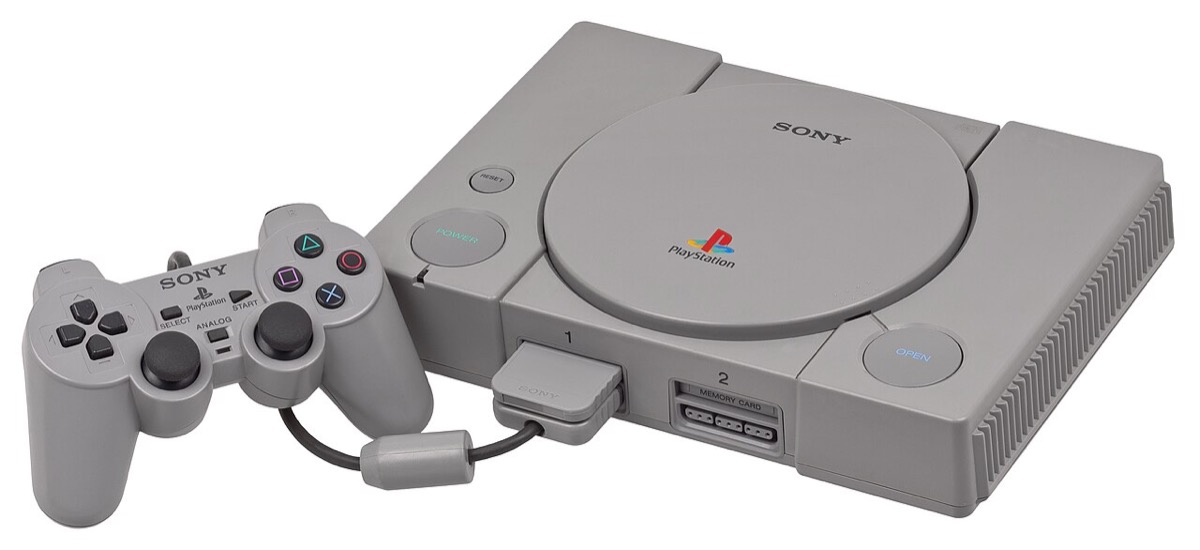
Resident Evil
The PlayStation shocker that dropped you inside a zombie-infested mansion with too few bullets and a save ribbon to ration. It didn't just scare a generation — it named the whole survival-horror genre.

Zombieland
Rule #1: Cardio. Rule #2: Double tap. The 2009 road-trip comedy that made the zombie apocalypse fun — four survivors named for their hometowns, a nationwide Twinkie hunt, and one legendary celebrity cameo.