
Adam Sandler
The SNL goofball who became a box-office machine — Billy Madison, Happy Gilmore, The Wedding Singer, The Waterboy. In the '90s his man-child comedies and shouty voices made him one of the most bankable comedians alive.
28 items
The SNL goofball who became a box-office machine — Billy Madison, Happy Gilmore, The Wedding Singer, The Waterboy. In the '90s his man-child comedies and shouty voices made him one of the most bankable comedians alive.

The Austrian bodybuilder who became the biggest action star on the planet. The Terminator made him iconic in the 80s; the early 90s — Total Recall, Kindergarten Cop, T2, True Lies — made him inescapable. The accent launched a thousand imitations, all of them affectionate.

The reigning heartthrob of the 1990s — the drifter who stole Thelma & Louise, the golden boy of Legends of the Fall, the detective screaming "what's in the box?", and finally Tyler Durden. No face was taped inside more mid-90s lockers.

The decade's most likable leading man: caveman in Encino Man, gentleman in School Ties, jungle king in George of the Jungle, and finally the revolver-twirling hero of The Mummy. Hollywood's nicest action star — and the comeback story the whole internet rooted for.

The everyman action hero who proved you didn't need muscles the size of tree trunks to save the day. Bruce Willis went from TV comedy to Die Hard's John McClane, rewriting what a blockbuster lead could be—and spent the next decade proving it with an eclectic run of '90s classics that kept him in the conversation.
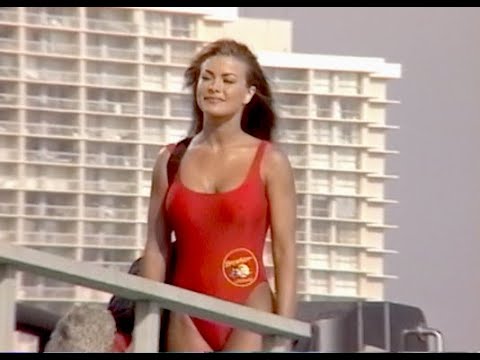
The Prince protégée who became the late-90s everywhere-woman: Playboy covers, Baywatch's Lani McKenzie, MTV's Singled Out, and a Las Vegas wedding to Dennis Rodman that hit annulment papers nine days later. Then the 2000s spoof-movie wave made her its favorite good sport.

Knight Rider's Michael Knight, Baywatch's Mitch Buchannon, and — no joke — the biggest thing on the German pop charts in 1989. He revived a canceled show with his own money, sang on the Berlin Wall in a light-up jacket, and then laughed at the punchline harder than anyone.

Before she became a name, Eva Mendes was the girl in the music videos—Aerosmith, Will Smith, Pet Shop Boys. Then she broke into film at exactly the right moment to become a defining screen presence of the 2000s multiplex.
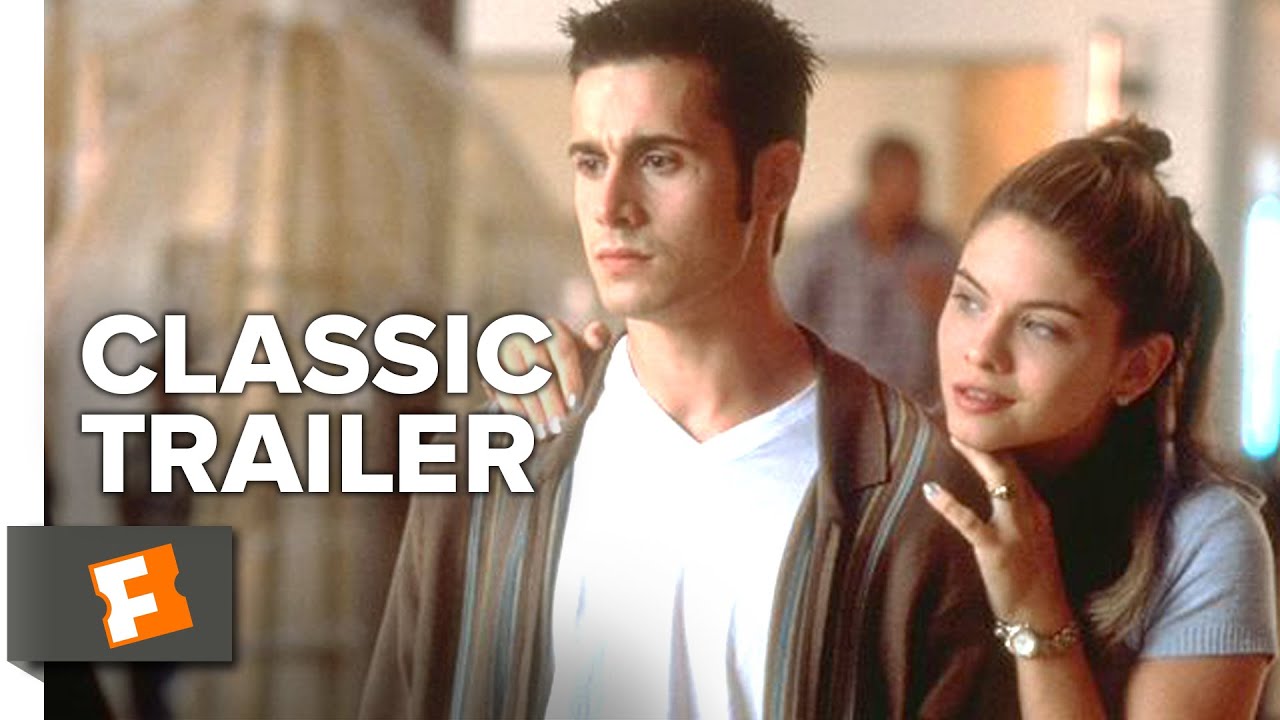
Son of the 1970s sitcom legend Freddie Prinze, who died when Freddie Jr. was a baby. He grew up carrying one of television's most poignant legacies—and then became the face of the late-90s teen-movie boom. Dimpled, kind-eyed, and impossibly likable, he was THE heartthrob of an era that believed in nice guys.
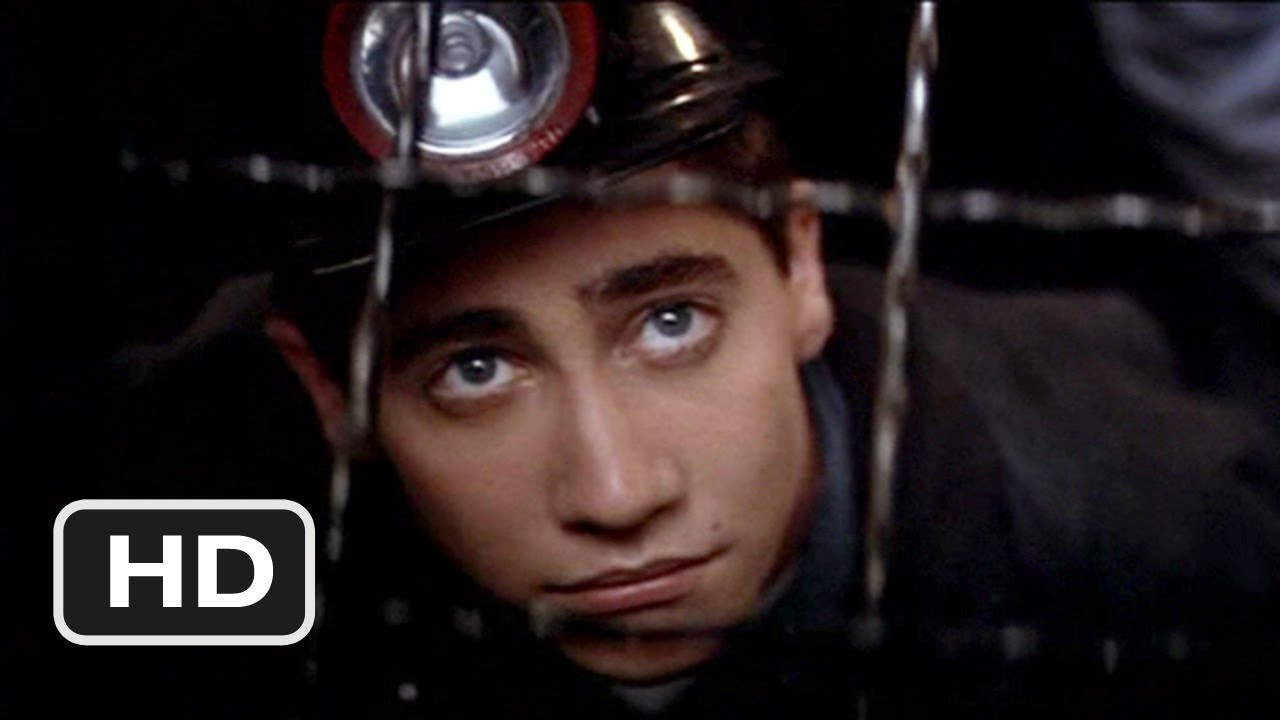
Born into Hollywood royalty but broke through on his own terms—as the troubled daydreamer who became every indie film's favorite wunderkind. By mid-decade, he'd pivoted into blockbusters without losing the arthouse credibility, proving the 2000s' best leading men didn't have to pick a lane.

The Playmate who snort-laughed at the glamour game. As MTV's Singled Out co-host she buried the pin-up script under googly faces and gross-out physical comedy — and proved a bombshell could be the funniest person in the room.

The church-family daughter from 7th Heaven who shed her wholesome image and fought her way into 2000s movie stardom. Cast at fourteen as Mary Camden, she became one of The WB's defining faces—and by her early twenties she was headlining studio films like The Texas Chainsaw Massacre and Blade: Trinity.

The Canadian comic who became the biggest movie star on the planet in a single calendar year. In 1994, Ace Ventura, The Mask, and Dumb and Dumber made Jim Carrey the hyperkinetic face of the decade — rubber-faced, fearless, and everywhere.

A Minnesota kid who exploded into stardom in 2001 with Pearl Harbor and Black Hawk Down, then famously stepped away. Josh Hartnett was the rare leading man who'd had enough of the machinery by 2006, turning down Superman and Batman to reclaim his life. His withdrawal was deliberate—a quiet rejection of what the moment demanded.

The megawatt smile that owned the 90s box office. From Pretty Woman through Notting Hill and Runaway Bride, Julia Roberts was the romantic-comedy lead every studio wanted and every video store shelved face-out — then she capped the run by winning the Oscar as Erin Brockovich.

Born 1981, she was the teen-Shakespeare queen of the late 90s and early 2000s—flinty and wry where others were bubbly, older-souled than the wave around her. From Kat Stratford's taming to Ophelia to Desdemona to a ballerina's breakthrough, she was the thinking kid's teen-movie star.

The floppy-haired heartthrob whose face covered every bedroom wall and Tiger Beat cover after Titanic. Before he was an Oscar-winning elder statesman of film, '90s Leo was pure teen-idol "Leo-mania."

"Candy" arrived in 1999, when she was fifteen, in the same debut class as Britney, Christina, and Jessica Simpson. Critics sorted her into the softest lane of the four — and then she spent the early 2000s playing mean girls on screen, walked away from teen pop with an album of 70s and 80s covers, and quietly outlasted the category she'd been filed under.

A shape-shifting comedy force. On Martin he played a Detroit radio DJ—and an entire neighborhood of other characters: Sheneneh, Mama Payne, Jerome, Dragonfly Jones. The show was one of Fox's highest-rated and made him a star; stand-up and movies (Bad Boys, Big Momma's House) carried the run into the 2000s.

Oscar winner one year, action god the next — Nicolas Cage followed Leaving Las Vegas with The Rock, Con Air, and Face/Off, then spent the 2000s as the franchise guy in everything. Total commitment to every premise, no matter how preposterous.

Discovered on a stadium jumbotron in a beer T-shirt, she became the decade's defining pin-up via a red swimsuit and a slow-motion jog. Baywatch's C.J. Parker was less a character than a cultural symbol — and no one on Earth was more 90s-famous.

MTV's most relentless goofball — The Weasel, all surfer-dude Valley-speak, somehow the defining voice of early-90s cable. Pauly Shore rode that energy into a five-film leading-man run that shrank at the box office with every release while the Razzies stacked up. Then he made a mockumentary about the wreckage, because he was always in on the joke.

Stand-up comic turned Hollywood golden boy whose late-80s-to-90s run defined a generation's movie shelf. From Good Morning, Vietnam (1987) through Good Will Hunting's 1998 Oscar win, Williams embodied the comedic-yet-sensitive everyman that shaped 90s cinema.

From the daytime soap to teen idol, Ryan Phillippe was the smirking heartthrob who could play both the innocent and the seducer. I Know What You Did Last Summer introduced him; Cruel Intentions cemented him as the defining rich, dangerous charmer of his moment. He married Reese Witherspoon in 1999 and became one of the era's most visible celebrity couples before their 2006 separation.
![Video thumbnail — Rookie of the Year (1993) Theatrical Trailer [4K] [FTD-1393]](https://i.ytimg.com/vi/gUAoirkeaVE/maxresdefault.jpg)
Las Vegas native who became the face of two defining family-movie fantasies—and then grew up into American Pie. From Rookie of the Year's 100-mph kid pitcher to King Arthur's time-traveling Calvin to Kevin in the American Pie gang, his roles bookend an entire decade of growing up.

The megawatt grin that ruled the 90s box office. From Days of Thunder through Jerry Maguire to Magnolia, Tom Cruise spent the decade as Hollywood's defining leading man — and spent 1996 building his own action franchise by dangling from a wire as Ethan Hunt.

A Canadian comedian and prankster whose MTV show turned everyday chaos into absurdist performance art. Tom Green built a cult following by harassing his own parents on camera, hitting No. 1 on TRL with a song about putting his bum on things, and turning a testicular cancer diagnosis into a shockingly honest TV special. He was unhinged before unhinged was a brand.
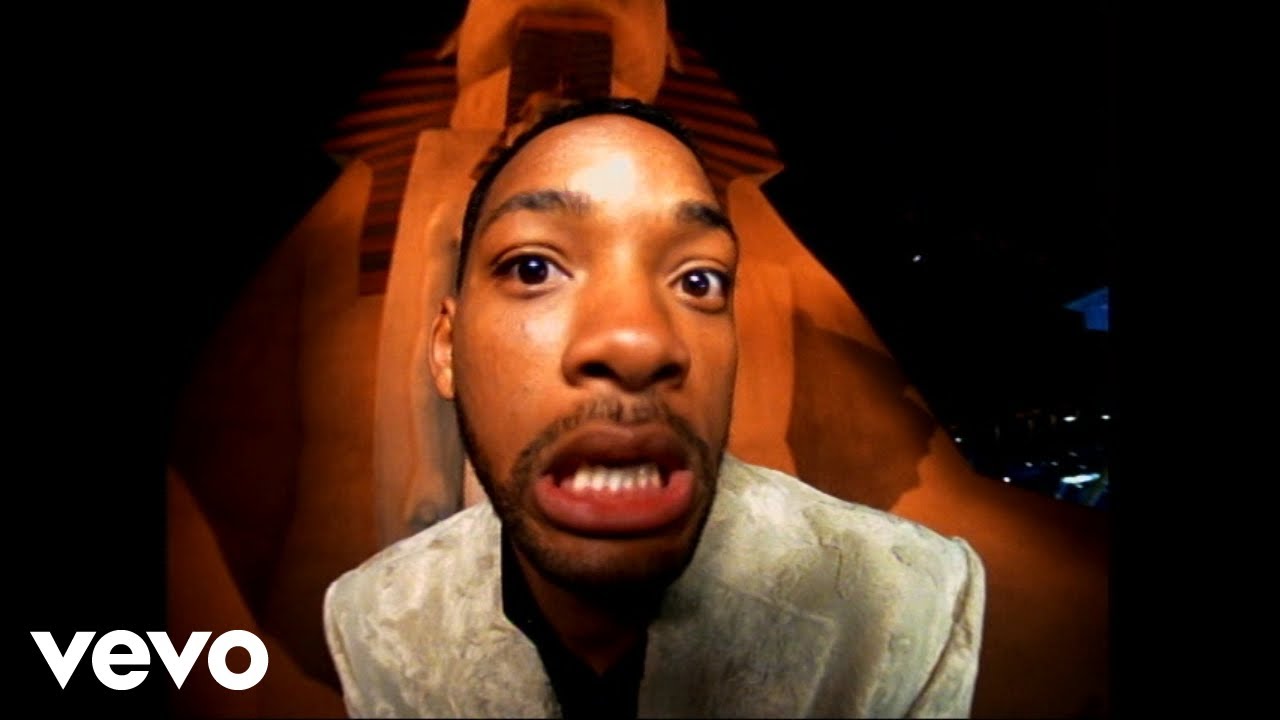
Fresh from his Grammy-winning rap career, Will Smith became the biggest movie star of the '90s—charismatic, relatable, and seemingly incapable of releasing a film that didn't top the summer box office. By 1999 he was untouchable.