Girbaud Jeans

The baggy, stone-washed French jeans with the loud "M+FG" tabs and straps on the leg. Marithé + François Girbaud were the designer denim of early-90s hip-hop, name-checked by Biggie and worn backwards by Kris Kross, before the brand slid from every mall to the thrift rack.
Marithé Bachellerie and François Girbaud were a Paris duo who started out selling jeans in the mid-1960s and spent the next two decades treating denim as an engineering problem. They are credited with industrializing stone-washing in the mid-70s, with an early baggy cut, and with pockets set at odd angles; by 1983 Jennifer Beals was wearing their work in Flashdance, and their first U.S. shop opened on Nantucket in 1984. In America the name was run under license by VF Corporation, the owner of Lee and Wrangler, which took Girbaud from a boutique curiosity to a brand doing more than $200 million a year in U.S. sales at its early-90s peak.
That peak belonged to hip-hop. The jeans were roomy, the wash was soft, and the branding was loud: colored tabs and straps marked "M+FG," so everyone could read the label from across the schoolyard. Del the Funky Homosapien was rapping about them by 1991, Kris Kross wore them backwards in the 1992 "Jump" video, and the Notorious B.I.G. put them in "Friend of Mine" in 1994 and OutKast in "Two Dope Boyz (In a Cadillac)" in 1996. Jean-Luc Godard shot commercials for the brand in the late 80s. For a few years a pair of Girbauds was what you wore with a Starter jacket and a fresh pair of Timbs.
Then grunge and Tommy Hilfiger moved the mall on, and Girbaud's U.S. sales fell so far that VF let the license go; I.C. Isaacs picked up the men's line in late 1997 and the women's the next year. The brand had a long second life in Southern rap, where Juvenile and other rappers kept name-dropping the Velcro-strapped "Shuttle" jeans, launched in 1998, well into the 2000s, but the company's worldwide turnover shrank from a reported $900 million at its peak to around 200 million euros by 2010, and a bankruptcy filing was reported in June 2012. Vintage pairs now sell to people who remember exactly what the straps meant.
Similar items
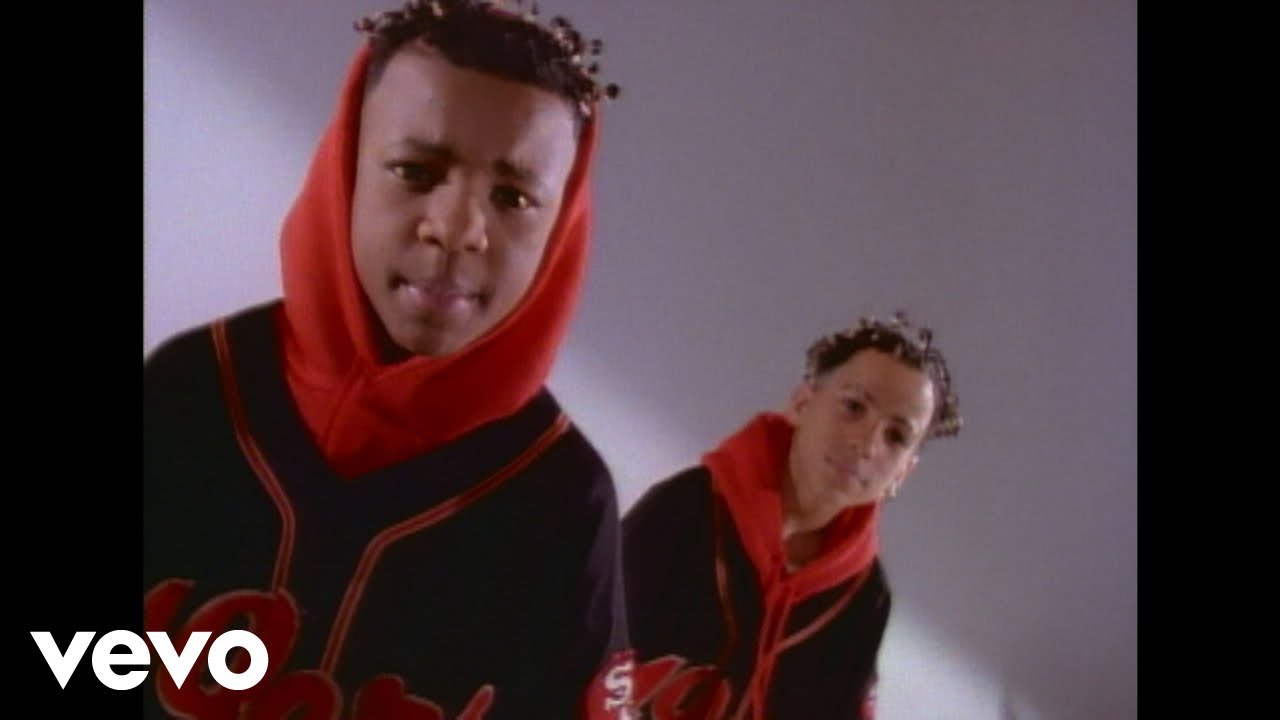
Kris Kross
Two Atlanta kids in backwards clothes spent eight weeks at No. 1 with "Jump" — at 13, charting at an age no hip-hop group had matched. For one glorious stretch of 1992, half the playgrounds in America turned their jeans around.

Cross Colours
Color-blocked jeans, bold-lettered tees, and a message stitched into every garment: "Clothing Without Prejudice." Cross Colours dressed the Fresh Prince, half of early-90s hip-hop, and every kid who wanted to look like MTV — then vanished almost overnight when its biggest retailer went bankrupt.
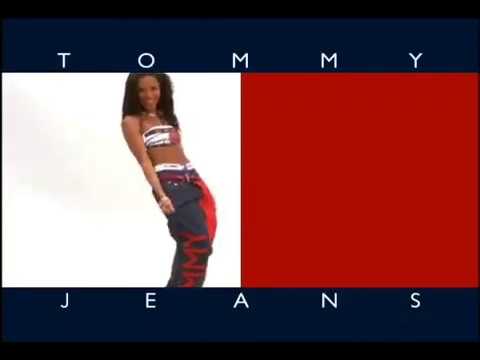
Tommy Hilfiger
Prep meets hip-hop: the flag logo of a 1985 New York label, co-opted by Snoop Dogg, Aaliyah, and every mall kid of the 90s who wore it oversized and felt instantly cooler. The red-white-and-blue became a uniform.
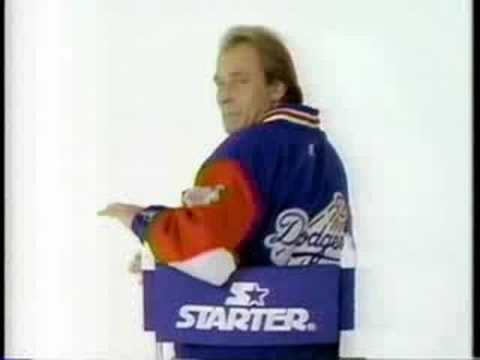
Starter Jackets
Starter's nylon and satin team jackets were the uniform of 90s cool — oversized windbreakers emblazoned with NBA and NFL team logos that transformed playground basketball courts and city streets into stadiums of style. Starter jackets became so coveted they sparked robberies, making them perhaps the decade's most dangerous fashion statement.