Cross Colours

Color-blocked jeans, bold-lettered tees, and a message stitched into every garment: "Clothing Without Prejudice." Cross Colours dressed the Fresh Prince, half of early-90s hip-hop, and every kid who wanted to look like MTV — then vanished almost overnight when its biggest retailer went bankrupt.
Carl Jones and Thomas "T.J." Walker launched Cross Colours in Los Angeles in 1989 — they'd wanted to call it Cross Cultures, but the name was taken. The mission was printed right on the clothes: "Clothing Without Prejudice" appeared on every garment, alongside messages like "Stop D Violence" and "Educate 2 Elevate." The idea, as Walker has described it, was to unify the African American community at a time when people were divided by gangs, drugs, and police mistrust — and the look — vivid color-blocking, baggy fits, Afrocentric palettes — made the message impossible to miss.
The rise was vertical. Will Smith wore Cross Colours as a wardrobe signature on The Fresh Prince of Bel-Air, it was all over In Living Color, and the client list read like the era itself: TLC, Tupac, Marky Mark, Jamie Foxx, Paula Abdul, Shaquille O'Neal, Magic Johnson, even Muhammad Ali. The line reached more than 3,000 retail outlets, Black Enterprise named it Company of the Year in 1993, and by the founders' account the company was shipping up to $10 million a month at its peak. It launched careers beyond its own walls too, introducing future designers like Karl Kani.
Then the floor gave out. Merry-Go-Round — the mall chain that was Cross Colours' top retailer — filed for Chapter 11 bankruptcy in 1994, owing the brand, by the founders' telling, $10 million it would never see. The company that had defined hip-hop fashion effectively went dormant for two decades. Jones and Walker relaunched Cross Colours in 2014, Cardi B and Bruno Mars performed "Finesse" at the 2018 Grammys decked in Cross Colours, and in 2019 the California African American Museum honored the label with its own exhibition, "Cross Colours: Black Fashion in the 20th Century."
Similar items
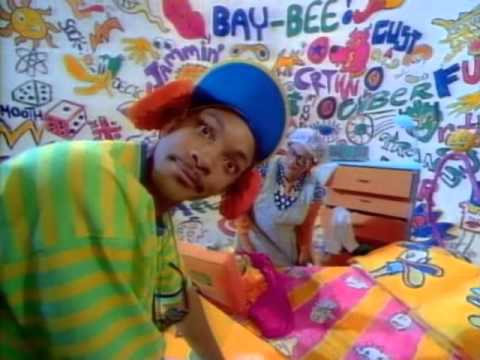
The Fresh Prince of Bel-Air
NBC's six-season hit brought hip-hop culture to mainstream network TV, launching Will Smith from music-industry crisis to acting stardom. A sitcom pitched by music manager Benny Medina about his own rags-to-riches story, it gave the world one of the most recited theme songs ever — and Alfonso Ribeiro's Carlton Dance defined a generation's pop-culture moves.
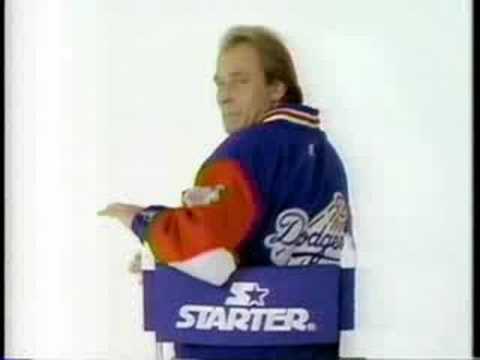
Starter Jackets
Starter's nylon and satin team jackets were the uniform of 90s cool — oversized windbreakers emblazoned with NBA and NFL team logos that transformed playground basketball courts and city streets into stadiums of style. Starter jackets became so coveted they sparked robberies, making them perhaps the decade's most dangerous fashion statement.

JNCO Jeans
JNCO jeans were the uniform of 90s youth rebellion: outrageously baggy denim with cavernous pockets so deep you could lose a Walkman, decorated with zipper details and an attitude that rejected traditional fit. If you weren't tripping over your cuffs or making those pockets jingle, you weren't dressed for the decade.
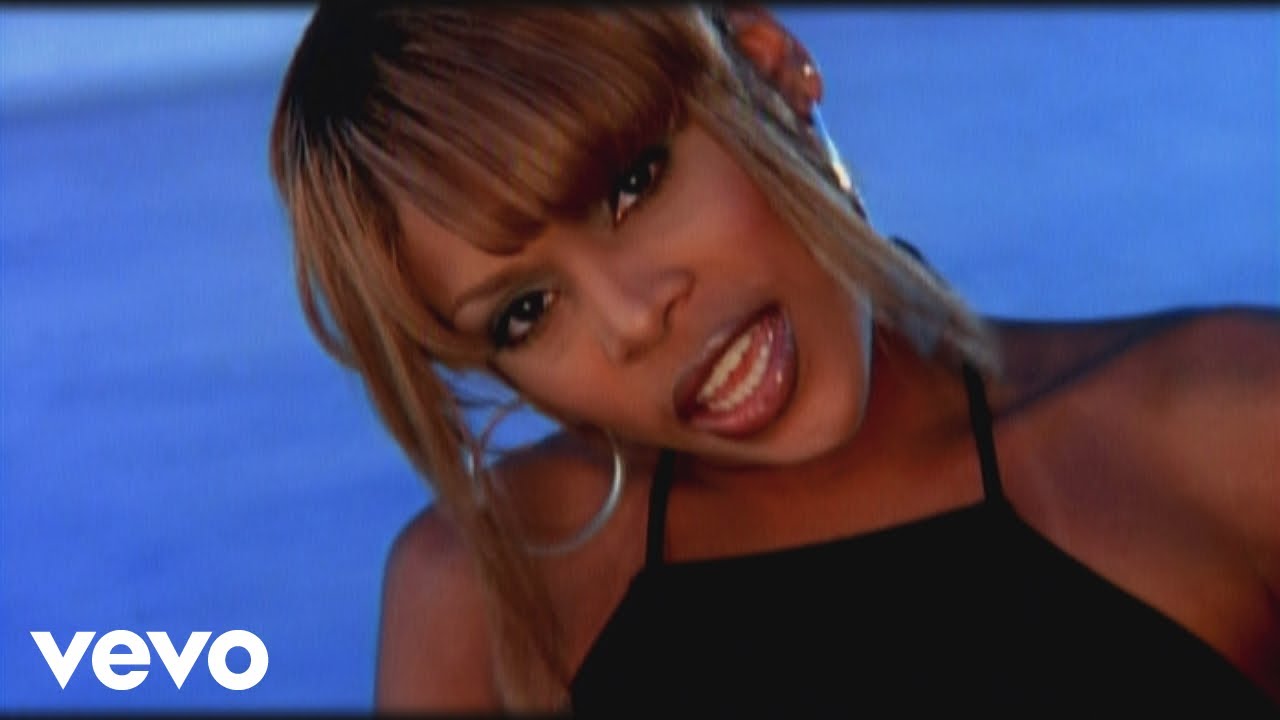
TLC
The best-selling American girl group since the Supremes. T-Boz, Left Eye, and Chilli fused hip-hop, R&B, and a playful safe-sex message into era-defining hits — "Waterfalls," "No Scrubs," "Creep" — in baggy streetwear that a generation copied.