
AdventureQuest
The Flash browser RPG you grinded on school computers that blocked real games — turn-based monster fights, gold and XP, and a one-time $19.95 Guardian upgrade you begged your parents for. AdventureQuest is still running.
13 items
The Flash browser RPG you grinded on school computers that blocked real games — turn-based monster fights, gold and XP, and a one-time $19.95 Guardian upgrade you begged your parents for. AdventureQuest is still running.
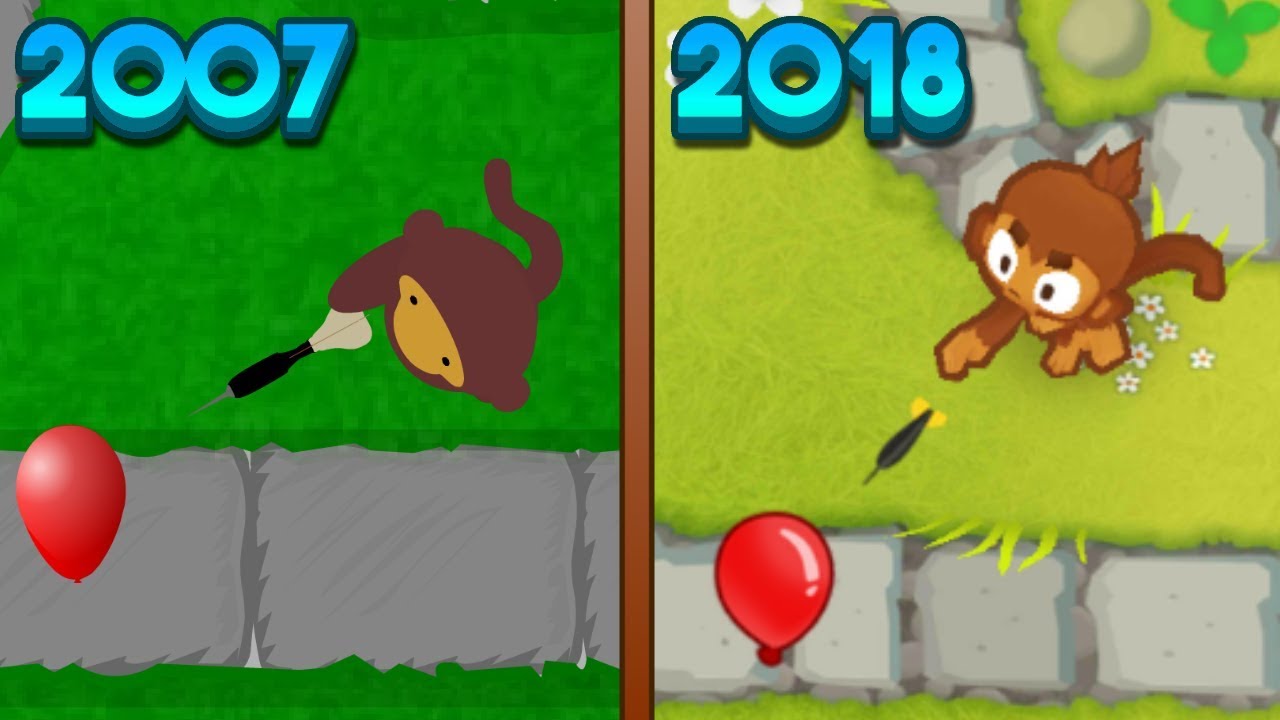
Monkeys throw darts at balloons. That's it — and it was enough to devour a billion study halls. Bloons Tower Defense loaded in any browser, ran fine on a school computer, and turned "one more round" into the defining lie of 2000s homework time.
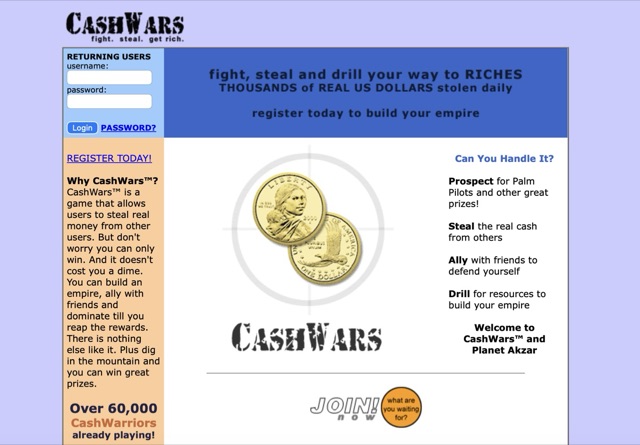
A browser-based play-to-earn game where you built an empire in the fictional world of Akzar, drilled for oil barrels, raised stats by spending resources, and raided rival players — with the wild promise that you could cash out and receive a real cheque in the mail.

A corner of the web where anyone could upload a game, the community voted, and you could lose hours flicking through hand-coded animations and wildly unpolished experiments. Flash game sites were the internet's scrappy basement arcade.

The educational-games website that teachers actually let you play during computer lab and indoor recess. Funbrain was the golden ticket: games disguised as learning, enough fun to feel like cheating the system, legitimate enough that authority figures signed off.

A giant isometric pixel-art hotel you checked into as a blocky avatar — decorating rooms with "furni," chatting in the lobby, and guarding the virtual pool. One of the first massively popular online social worlds built for teenagers.

Draw freehand lines and watch a tiny scarf-wearing sledder named Bosh ride them, obeying nothing but momentum and gravity. No goal, no score, no way to win — just physics and creativity in a browser. It was a toy, not a game, and that was exactly the point.

General Mills' cereal-box virtual town: make a character, earn Millsbucks, furnish a house, and play arcade games named for Reese's Puffs and Lucky Charms. Millsberry ran from 2004 to 2010, the fullest advergame of its era, and signed off by handing every citizen a yearbook.

The browser-games portal you loaded the second the teacher turned around — a wall of free Flash games for every spare ten minutes, from stick-figure violence to pool. If one game got blocked at school, Miniclip was where you found ten more.

The birthplace of internet culture's raw, unfiltered edge — where amateurs published bold Flash creations with no gatekeeper between them and millions of eyes. A tank logo, the dreaded "blam" vote, and the night-before anxiety: did your submission survive judgment?

The browser game that ate every school computer lab: you made a round-headed avatar and traveled island to island, solving story quests and puzzles. It was created by Jeff Kinney, who was just becoming famous as the author of Diary of a Wimpy Kid.

A browser-based MMO that ran on any school computer—no download, pure Java, accessible everywhere. RuneScape let you trade with strangers in Varrock, cut yews, dodge scams, and explore the Wilderness, all while technically just looking at homework on another tab.

One hundred ten questions, zero logic, and a computer lab full of kids shouting contradictory advice at the screen. The Impossible Quiz debuted on February 20, 2007, as a Flash game that turned a single-player experience into a collective fever dream.