Crayola Color Wonder

The markers that scribbled clear on skin, walls, and car seats — and bloomed into color only on the special paper. Crayola's chemistry trick, launched in 1993, became the road-trip and restaurant salvation of every 2000s parent.
Crayola's Color Wonder line debuted in 1993 with a promise that sounded like a bluff: markers that genuinely could not make a mess. The ink is a colorless solution of leuco dyes — dye molecules that hold their color invisible until the right chemical trigger sets it off. The magic is in the paper: only Color Wonder pages carry that trigger, so the moment the clear ink touches an official page, the color develops. On anything else — hands, upholstery, the wall behind the couch — the marker writes nothing at all. Binney & Smith itself became Crayola LLC on January 1, 2007, renamed for its number-one brand.
For toddlers the experience was straight sorcery: scribble on the magic page and watch color appear out of nowhere, a beat behind the marker tip. For parents it was armistice. Color Wonder pads and markers became the default car-trip, airplane, and restaurant kit of the 2000s precisely because the failure mode was nothing — hand the back seat a marker with total impunity. The one universal complaint doubled as proof it worked: on regular paper, the markers 'didn't work,' and every kid tried.
The line kept growing from markers and paper into paints and fingerpaints — clear goop, color-on-contact — plus licensed coloring books stocked with Disney Princess and Pixar Cars pages, planting Color Wonder in a generation of diaper bags. It's still on shelves today, quietly doing the same trick: a thirty-year-old bit of chemistry keeping the crayon era's greatest peace treaty in force.
Similar items
Gel Pens
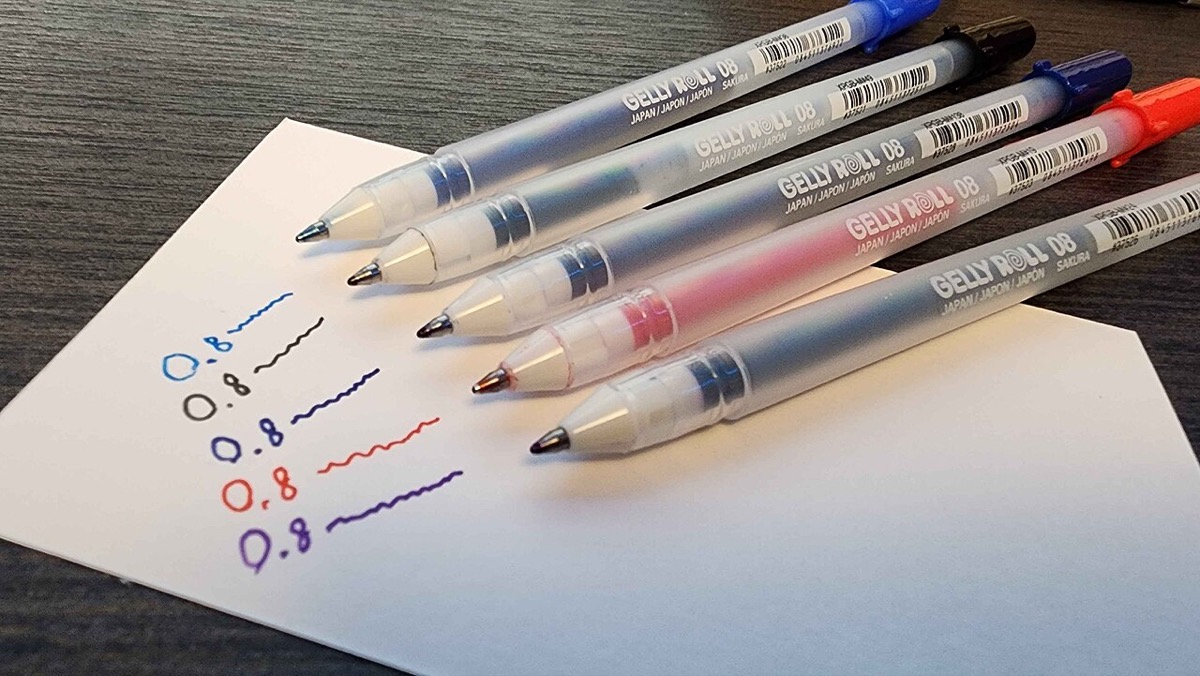
The 1990s school-supply craze: smooth-writing gel-ink pens in glittery, metallic, pastel, and neon colors (the opaque pastels known as "milky pens") that showed up vividly even on black paper. Kids hoarded huge collections, traded colors with friends, and covered notebooks and each other's arms in shimmery ink—a quintessential 90s classroom status symbol.

Moon Sand
The moldable indoor "sand" that played like dough and, famously, never dried out. You could pack it into molds and crumble it back apart again and again—no water needed—which is exactly why it ended up ground into so many living-room carpets.
Blo-Pens
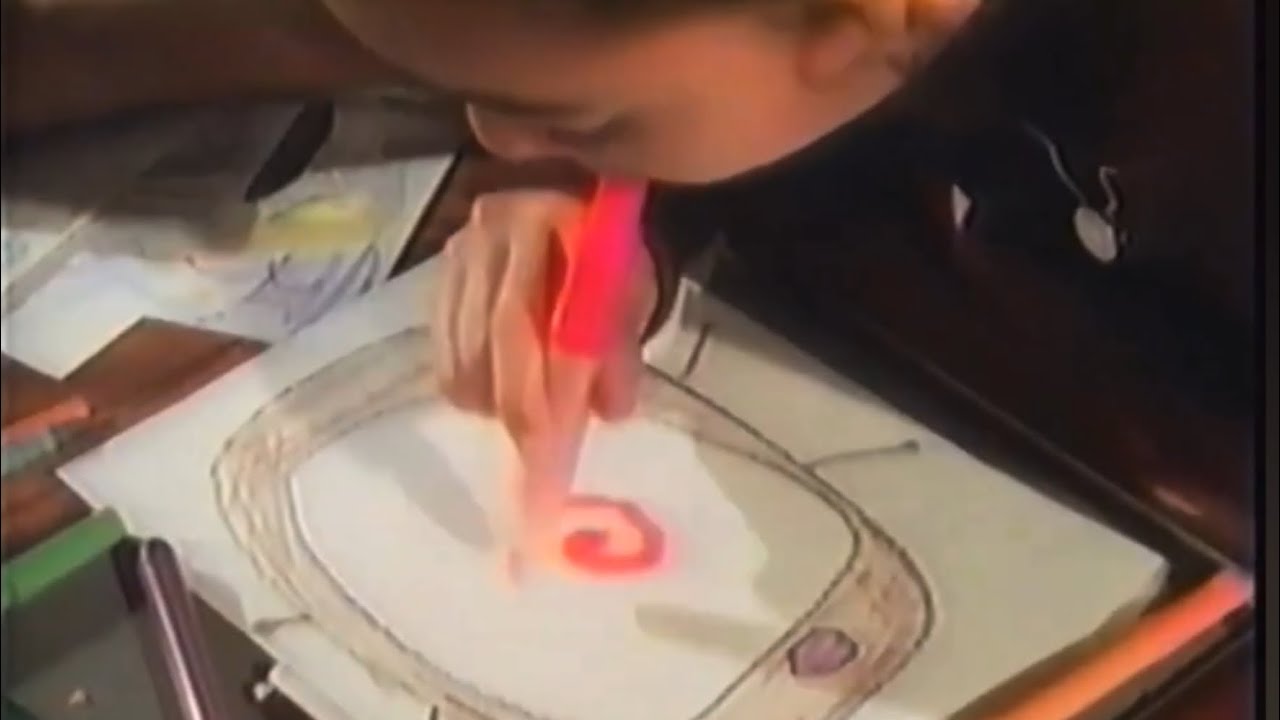
An airbrush in marker form — you aimed the plastic nib at the paper, took a deep breath, and blew hard through the mouthpiece to spray a fine mist of ink. The stencils promised crisp dinosaurs and stars; the reality was overspray, light-headedness, and a few flecks of spit on every masterpiece.

Doodle Bear
A plush bear that came with permission to destroy it—draw on it with markers, toss it in the washing machine, and it came out blank and ready for more doodles. Invented by Ed Kaplan and released by Tyco in 1995, Doodle Bear was the anti-collectible, the polar opposite of the untouched Beanie Baby sitting in its case. In an era when toys were meant to be preserved, this one begged to be drawn on.