Disturbed

"Ooh-wah-ah-ah-ah." Every kid with a Hot Topic hoodie could do it, and most did. The Chicago band behind "Down with the Sickness" put four straight albums at number one in a decade when rock radio belonged to them.
Disturbed formed in Chicago in 1994, though for its first two years it was a band called Brawl with guitarist Dan Donegan, drummer Mike Wengren, bassist Steve "Fuzz" Kmak and a different singer. After he left, the three put an ad in the Illinois Entertainer; David Draiman answered it after twenty other auditions that month, started banging out huge melodies within minutes, and the renamed Disturbed had its voice. Draiman later said the name "just seems to symbolize everything we were feeling at the time," the conformity people are forced into. Chicago, he remembered, "was an alternative town. It was Smashing Pumpkins, Local H. It was not metal," and the band beat the hell out of itself for two or three years handing out cassettes and stickers before Giant Records signed it in August 1999.
The Sickness, produced by Johnny K and released March 7, 2000, spent 106 weeks on the Billboard 200 and eventually went five times platinum, the band's best seller. Donegan had cut guitar solos out of the sound entirely, and Draiman supplied the hook nobody forgets: the staccato "ooh-wah-ah-ah-ah" at the end of the "Down with the Sickness" intro, which Spin's Annie Zaleski later called "the throat-clearing heard 'round the world." Draiman has dismissed the rumor that heartburn produced it; the song "originally was written and just had a pause" until the noise came out one day. The single was the band's first to go platinum and has since been certified eight times over.
Believe, released September 17, 2002, debuted at number one, though the video for "Prayer" was pulled from most stations over perceived similarities to the September 11 attacks. Kmak was fired after the Music as a Weapon II tour and replaced by John Moyer in 2004. Ten Thousand Fists followed on September 20, 2005, another number-one debut and the first Disturbed album with guitar solos, and the band headlined Ozzfest 2006 with System of a Down. Indestructible, released June 3, 2008, made it three number-one debuts in a row, with "Inside the Fire" earning a Grammy nomination.
Asylum in 2010 made it four, and after a hiatus from 2011 the band came back in 2015 with Immortalized. Seventeen million records later, the sound of the 2000s rock-radio block is still that one bald guy clearing his throat.
Similar items
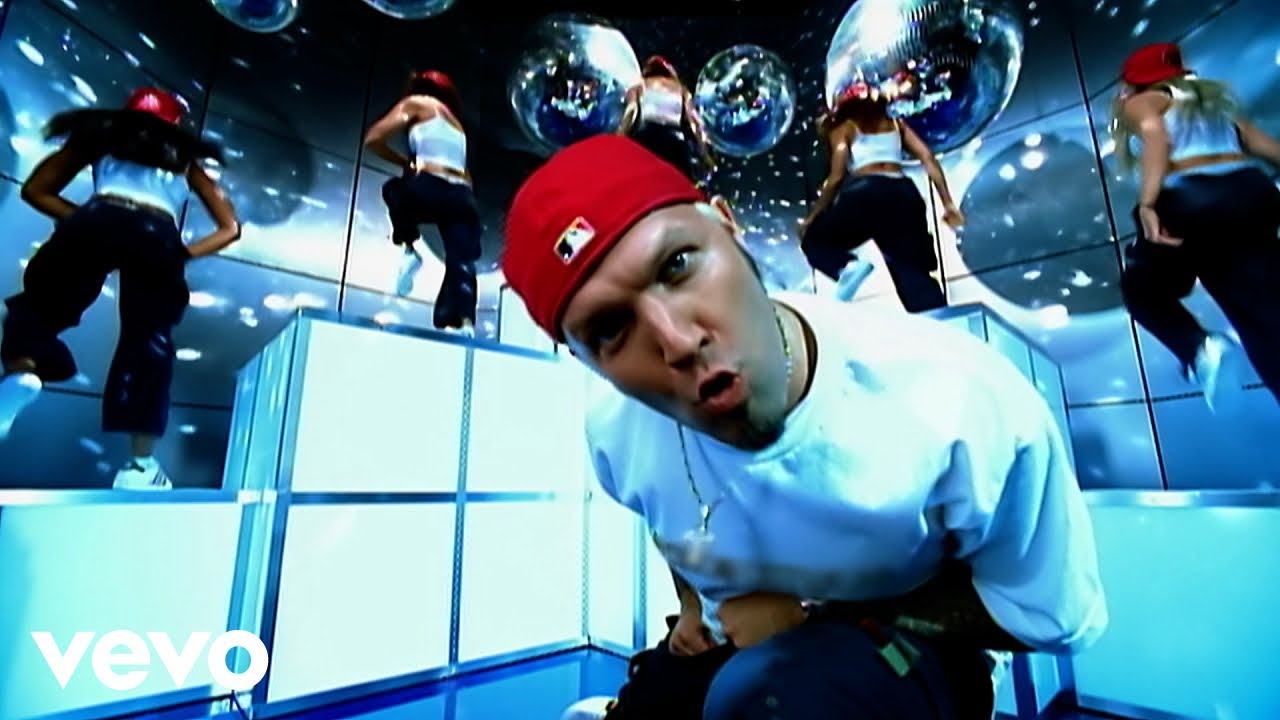
Limp Bizkit
The Jacksonville metal band that defined nu-metal's MTV dominance. Fred Durst's backwards red Yankees cap and Wes Borland's shock-value body paint made them impossible to ignore. They broke through with a cover of George Michael's "Faith" reimagined as down-tuned metal. They became the sound of late-90s TRL, then evaporated just as fast.
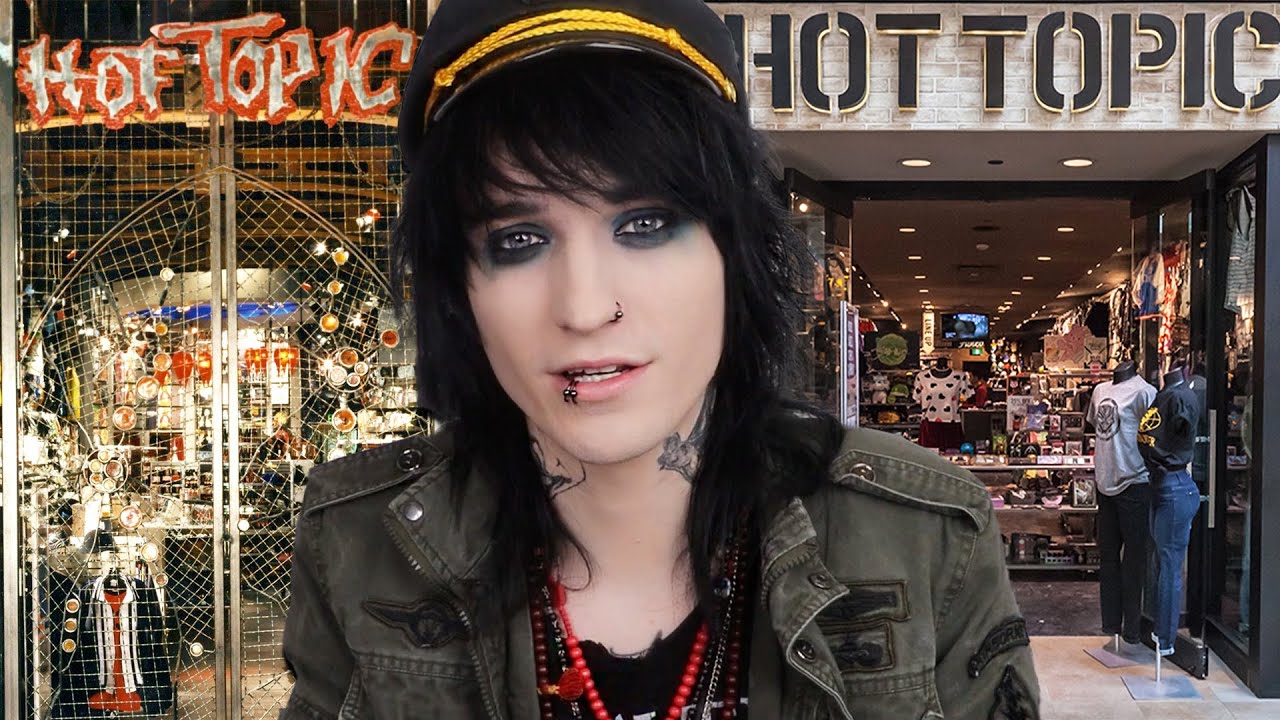
Hot Topic
The black-walled store at the end of the mall where the music was too loud and the T-shirts had bands your parents had never heard of. Studded belts, band merch, hair dye, and a smell of incense you could identify from thirty feet away. For a certain kind of teenager, walking in felt like finding your people.
Guitar Hero
The plastic guitar controller that turned living rooms into rock venues and made you feel like you could shred—Guitar Hero arrived in November 2005 with just five fret buttons and a strum bar, playing note-scrolling highways to licensed rock songs. It became a living-room phenomenon. Guitar Hero III (2007) and its brutal finale 'Through the Fire and Flames' defined the genre's peak before the plastic-instrument bubble burst from over-saturation around 2010.

Rock Band
You got a plastic guitar, a plastic bass, a plastic drum kit, and a plastic microphone. Four friends could play one song together at once. This seemed revolutionary for about three years.