Rock Band

You got a plastic guitar, a plastic bass, a plastic drum kit, and a plastic microphone. Four friends could play one song together at once. This seemed revolutionary for about three years.
Developed by Harmonix — the studio that had created Guitar Hero before the series moved to Activision — Rock Band launched in November 2007 with MTV Games publishing. The game's singular innovation was the full band: instead of just guitar solos, you could now have a dedicated drummer, bassist, and singer playing simultaneously, each part scored independently. The setup was gloriously social. Living rooms transformed into makeshift concert venues, complete with plastic instruments, terrible singing, and arguments about who played off-beat.
Rock Band 2 arrived in 2008, improving the formula. The Beatles: Rock Band (2009) became a cultural moment, offering one of the few officially sanctioned interactive Fab Four experiences. The game's downloadable-song store meant new content was constantly available, keeping the platform fresh. But plastic-instrument gaming had a brutal lifecycle. The boom peaked around 2008–2009, then collapsed nearly as quickly as it arrived. By 2010–2011, living rooms across America were selling off drum kits at yard sales, and the market had moved on. The plastic instruments sat in closets, oddly specific museum pieces of a very particular kind of casual gaming moment.
Similar items
![Video thumbnail — Guitar Hero (PS2) - Trailer [2005]](https://i.ytimg.com/vi/NLncFUN2plc/hqdefault.jpg)
Guitar Hero
The plastic guitar controller that turned living rooms into rock venues and made you feel like you could shred—Guitar Hero arrived in November 2005 with just five fret buttons and a strum bar, playing note-scrolling highways to licensed rock songs. It became a living-room phenomenon. Guitar Hero III (2007) and its brutal finale 'Through the Fire and Flames' defined the genre's peak before the plastic-instrument bubble burst from over-saturation around 2010.

Age of Empires II
Age of Empires II was the medieval real-time strategy game that defined the genre for a generation. Released in 1999, it put 13 civilizations at your command across historical campaigns spanning Joan of Arc to Genghis Khan. The Conquerors expansion (2000) became the definitive version, adding five new civilizations and cementing the game's legacy. Nearly three decades later, HD remasters and competitive esports tournaments prove this masterpiece never went out of style.

Asheron's Call
The cult favorite of the first big three MMORPGs — never EverQuest's equal in numbers, but beloved for what it dared. Asheron's Call ran through Microsoft's gaming service, its classless characters and famous monthly story updates drip-feeding new life into one seamless world that stayed open for over seventeen years.
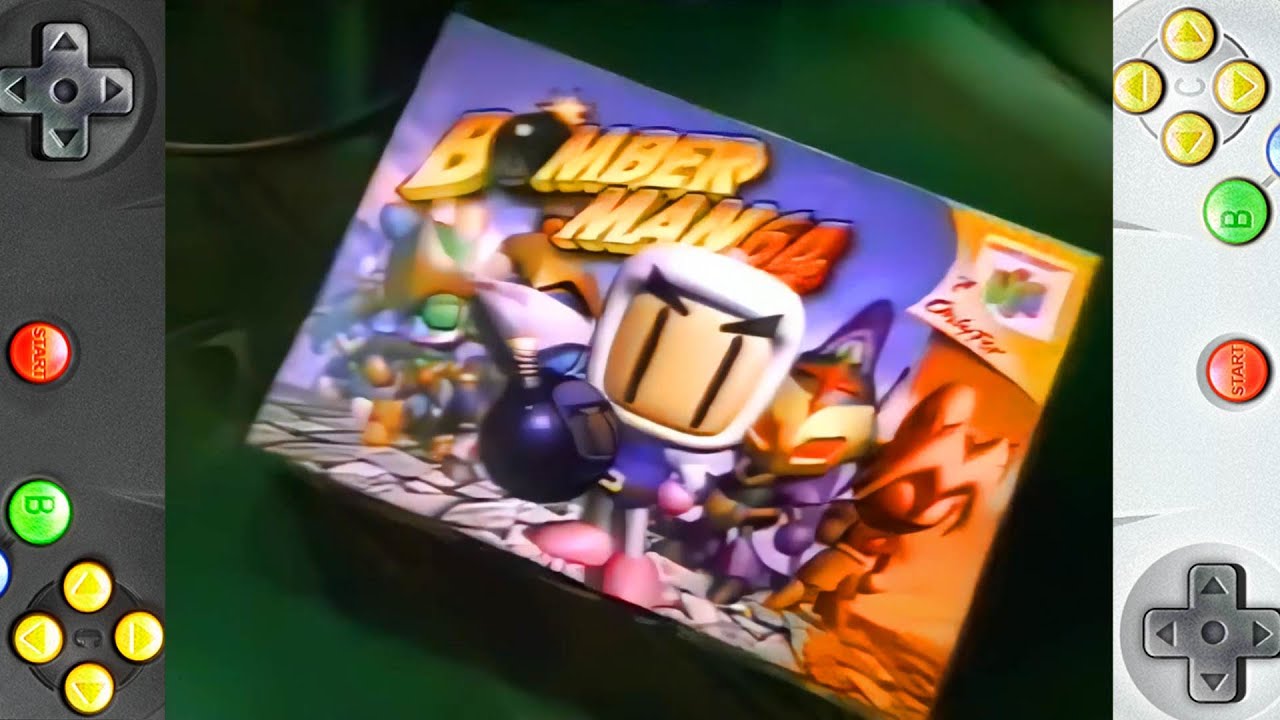
Bomberman 64
The first Bomberman to go 3D: Hudson Soft's 1997 N64 adventure traded the classic grid for free-roaming chaos, and the four-player couch battles were glorious or broken depending on who you asked. The single-player mode hid real depth — 100 of 120 Gold Cards to unlock the true ending — but it was the sing-song TV jingle and the rental-store ritual that cemented it in your brain.