"Cumbersome" — Seven Mary Three
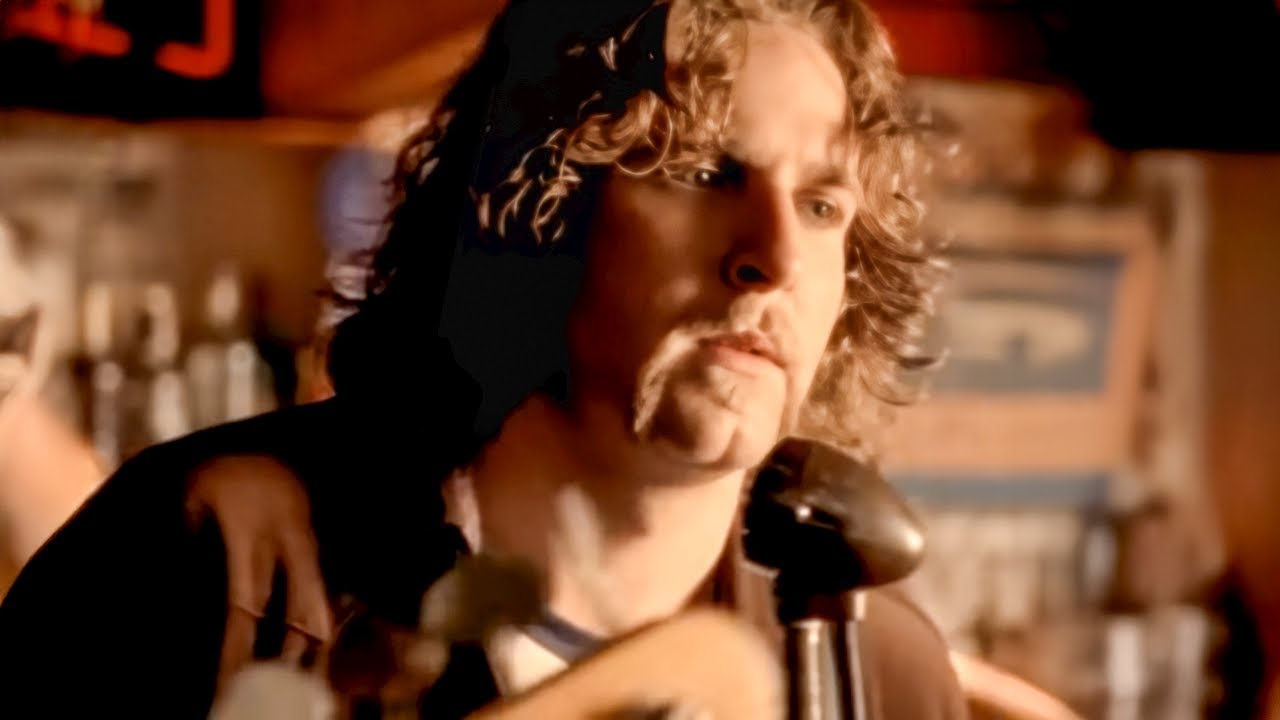
The muted-strum guitar riff and the growled chorus that owned rock radio in the winter of 1995–96: a college band from Williamsburg, Virginia, named after a CHiPs call sign, with a song about a relationship gone heavy. It hit number one on Billboard's Album Rock chart and number 39 on the Hot 100, carried American Standard to platinum, and then, by the drummer's own account, became "a blessing and a curse."
Seven Mary Three formed in 1992 when Jason Ross and Jason Pollock met at the College of William & Mary in Williamsburg, Virginia, and added bassist Casey Daniel and drummer Giti Khalsa. The name came from watching CHiPs: "7 Mary 3" was the radio call sign of Larry Wilcox's Officer Jon Baker. "There's no great significance or anything," Pollock said. "We were just tired of trying to think of a cool name." The band self-released an album called Churn in 1994, and its six-minute opening track, "Cumbersome," caught airplay on WJRR 101.1 in Orlando. The response was strong enough that the band relocated to Florida, and in May 1995, after Ross, Pollock and Khalsa graduated, they moved for good, signed with Mammoth Records and re-recorded Churn's songs plus two new ones at Morrisound in Tampa, with Tom Morris producing alongside Ross and Pollock.
The result was American Standard, released September 5, 1995. "Cumbersome," trimmed to just under four minutes, was serviced to rock radio that August as the lead single. Its lyric is regret over a couple's separation and a partner's fading interest, and its signature is the guitar: chords strummed clean, then muted between every change, a pattern that runs the whole song. It went to number one on Billboard's Album Rock Tracks chart, number seven on Modern Rock and number 39 on the Hot 100, and American Standard reached number 24 on the Billboard 200 and went platinum only seven months after release. Some critics accused the band of mimicking Pearl Jam.
The follow-ups never matched it. "Water's Edge" did well on rock radio, but RockCrown in 1997, released on Atlantic after Mammoth and Atlantic split, turned toward acoustic singer-songwriter material and stalled at number 75. Pollock left in 1999 with burnout and writer's block. In 2003 the band opened for 3 Doors Down, who had surpassed them and said they had covered "Cumbersome" in their early days, and Khalsa admitted that a good number of people left their shows once the hit had been played. "It definitely was the beginning of our success," he said in 2005. "But, at the same time, with each record that we've made - it's like the 'monkey on the back.'"
Seven Mary Three broke up without announcement in December 2012; Ross went on to run media and strategic partnerships for the New York concert company The Bowery Presents. In 2023 the band put out a new single, "Settle Up," alongside a reissue. On rock radio the riff never left.
Similar items
Pearl Jam
Seattle's other grunge titans: Eddie Vedder's baritone over the anthems of Ten, then a career spent actively refusing rock stardom — no more music videos, few interviews, and a one-band war against Ticketmaster.

"Far Behind" — Candlebox
The slow-burn Seattle ballad that hit number 18 on the Hot 100 in 1994, and a song Kevin Martin wrote for Andrew Wood of Mother Love Bone, dead of a heroin overdose in 1990, years before most of the country heard it.

Third Eye Blind — "Semi-Charmed Life"
"Doo doo doo, doo doo-doo doo..." — the sunniest-sounding smash of 1997 was a song about crystal meth, and the radio edit made sure you couldn't tell. The hook that soundtracked every summer barbecue was hiding one of the darkest lyrics on the dial.
"Blurry"
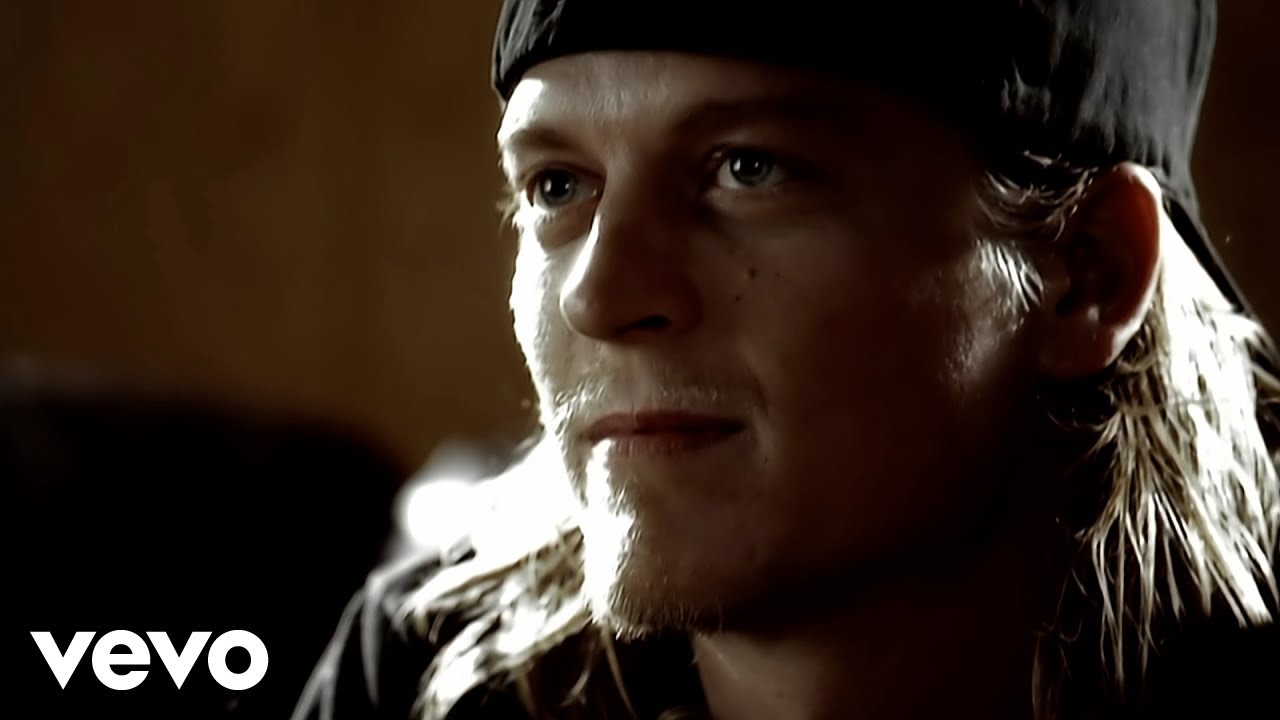
Wes Scantlin, alone in a Hollywood Boulevard hotel room and missing his son, reworked an old Kansas City song into "Blurry." Fred Durst's label had signed him and replaced his entire band; the result was 2002's biggest rock song in America, number five on the Hot 100, with a video of Wes watching his boy get driven away.