Caught Being Good

You held the door for the kindergartners, and suddenly a teacher was pressing a little ticket into your hand: CAUGHT BEING GOOD. Into the jar it went, and on Friday afternoon the whole class held its breath while a name got drawn for the prize box. School surveillance never felt so wonderful.
The mechanics were simple enough to run in any classroom in America, which is exactly why they did. A teacher — or the principal, or the lunch monitor — would spot a student doing something right without being asked: helping a classmate, picking up someone else's trash, lining up quietly. Out came a card, sticker, or raffle ticket announcing that the kid had been caught being good. The tickets accumulated in a jar or a shoebox on the teacher's desk, and at week's end came the drawing — a book from the prize bin, a pencil topper, lunch with the principal, first pick at the treasure chest. The genius was the inversion: getting "caught" usually meant trouble, and the program flipped the ambush into a jackpot.
Nobody invented Caught Being Good — at least, nobody history can name. It ran under different names depending on the school — "Caught Ya" tickets here, "gotcha" slips there. It's classroom positive reinforcement straight out of the behaviorist playbook, the kind of practice that spread teacher-to-teacher through workshops, teachers' manuals, and copy-machine folklore rather than from any single program with a founder and a launch date. Later decades would formalize the instinct into schoolwide positive-behavior frameworks with acronyms and training budgets, but the ticket-and-raffle version was already folk technology by the time anyone tried to systematize it.
What sticks decades later isn't the prizes, which were objectively junk. It's the specific electric feeling of being seen — the discovery that an adult had been watching precisely when you happened to be your best self, and that your name was now folded into the jar with a chance at Friday glory. An entire generation learned to hold the door open just a little more often, just in case.
Similar items
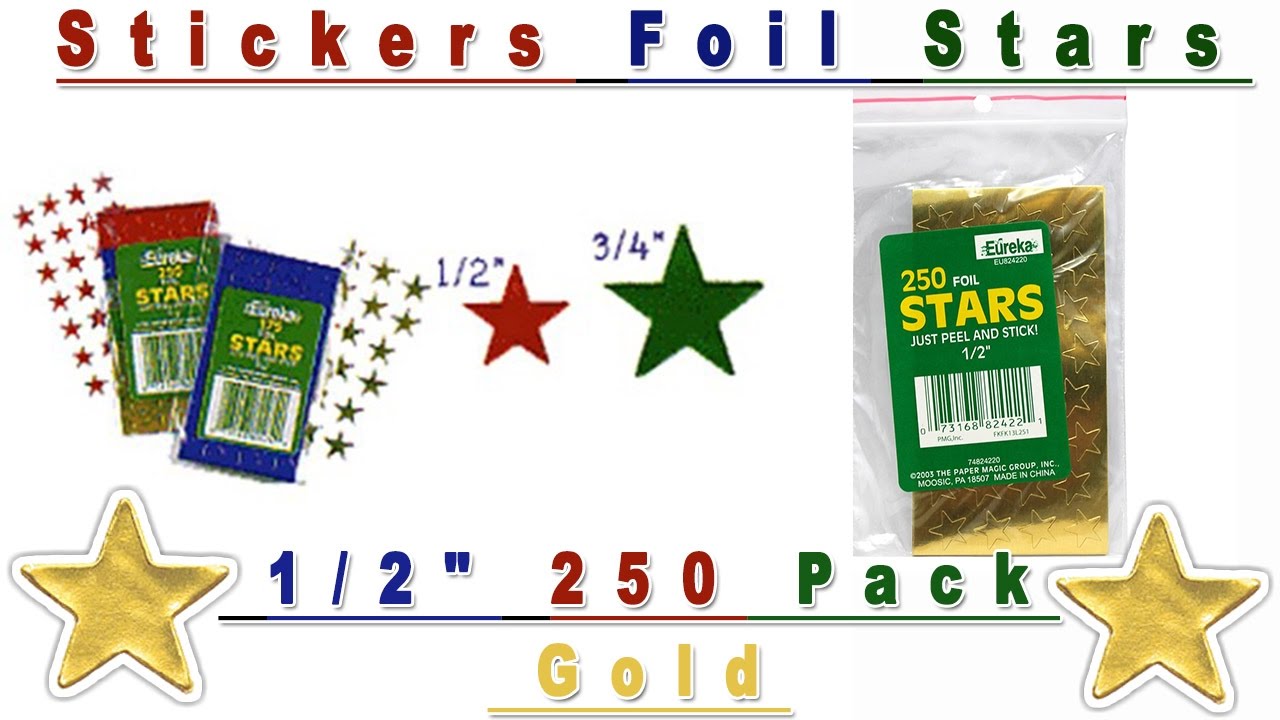
Gold Star Stickers
The foil star the teacher pressed next to your name on the chart taped to the classroom wall. Names ran down one side, a row of little boxes ran across, and the stars were the public ledger of who was doing well. Five in a row might mean the prize box. An empty row was its own quiet punishment.

Covering Your Textbooks
The first week of school came with homework before you'd learned anything: take home the stack of hardcover textbooks the teacher just issued and cover every single one. You either cut open a brown paper grocery bag and folded it into a snug jacket, or slid on a stretchy fabric cover in a color you actually liked. Then you brought them back the next day for the teacher to check.
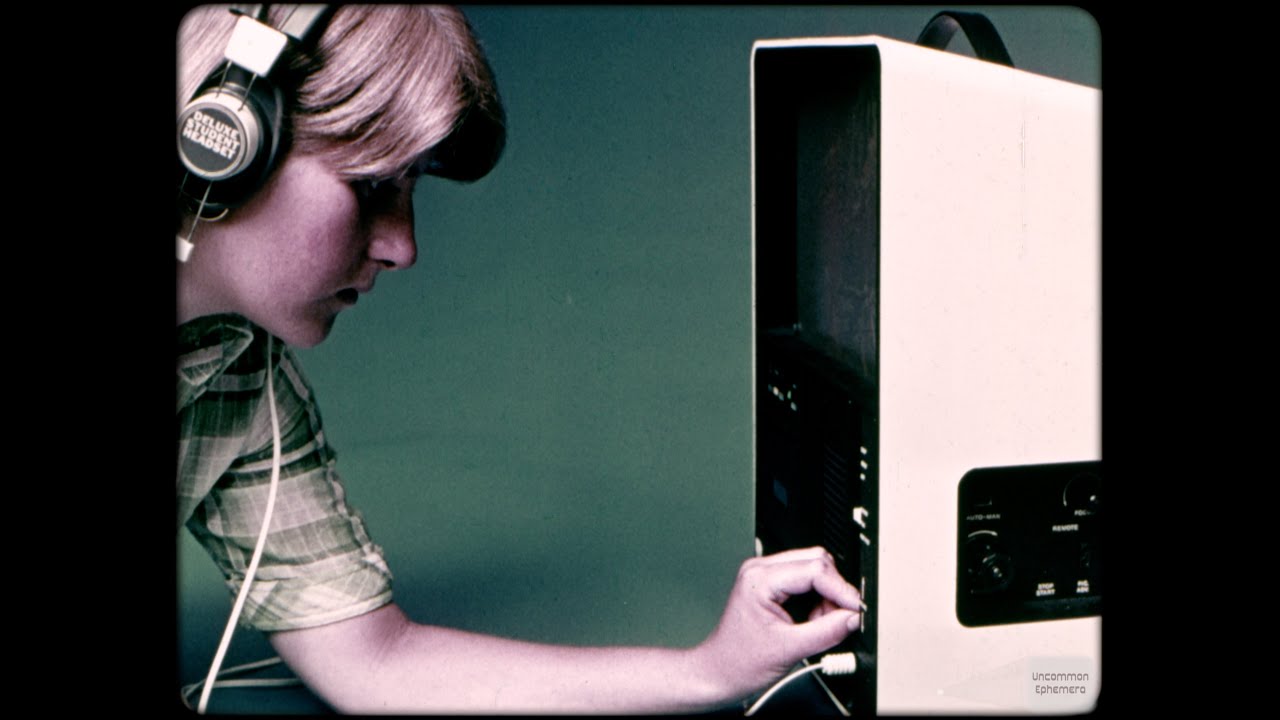
Filmstrips in Class
Lights off, projector humming, and a strip of little 35mm frames clicking by one BEEP at a time. Whoever got picked to turn the knob held real power — advance too early and the whole class knew, wait too long and the narrator's beep shamed you from the cassette deck.
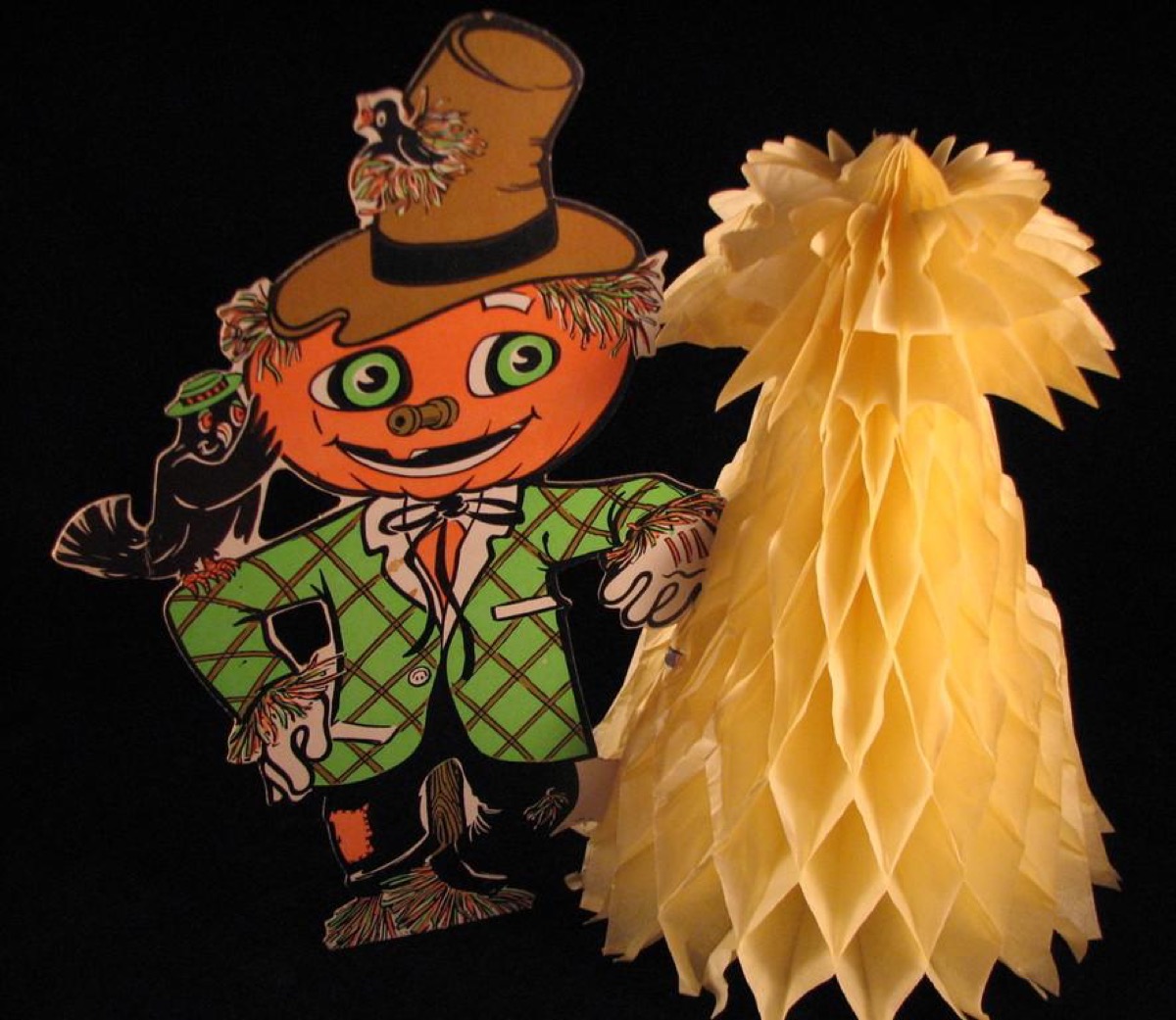
Halloween Classroom Decorations
Every October, elementary-school teachers transformed their rooms — construction-paper pumpkins taped to the windows, black paper bats on the walls, stretchy fake cobweb in the corners, and the jointed cardboard skeleton grinning by the door. It was the classroom's yearly costume.