Big Johnson & Coed Naked T-shirts
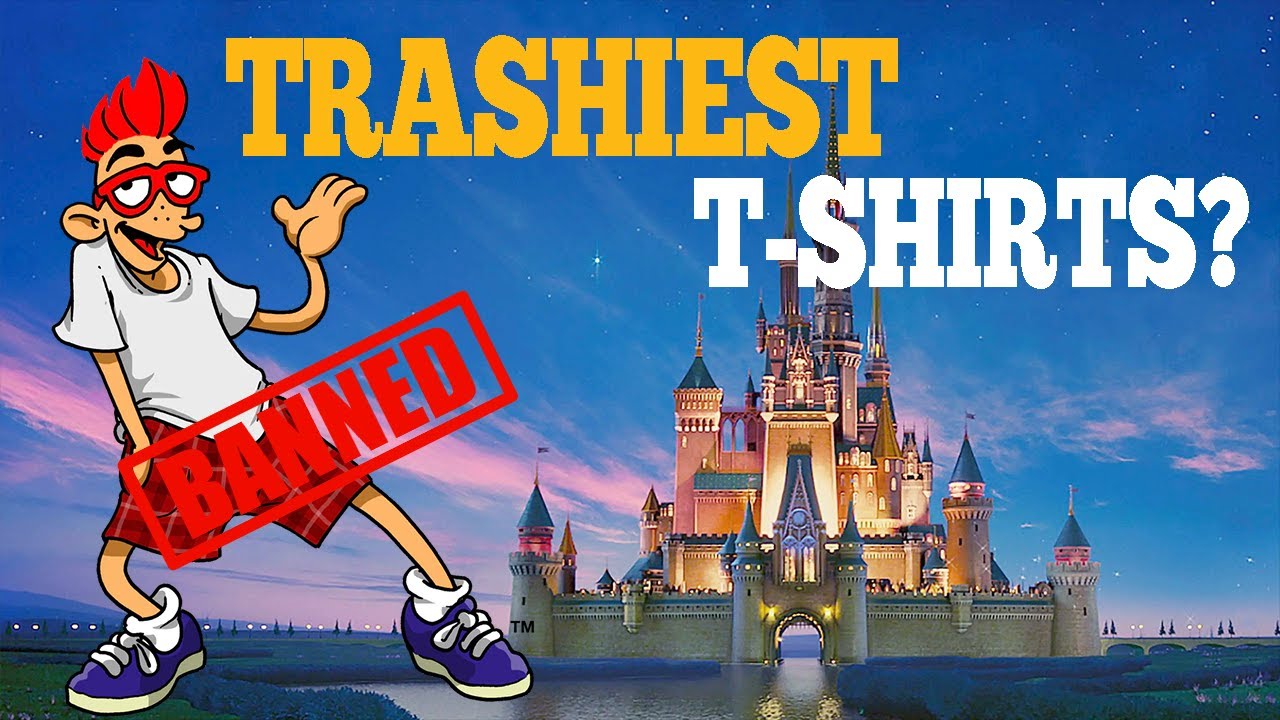
The double-entendre T-shirt genre of the early 90s: a scrawny cartoon nerd named E. Normus Johnson bragging about his Big Johnson, and the Coed Naked line turning every sport into a wink. Sold by the millions on boardwalks and in malls, banned in schools, and litigated all the way to a state supreme court.
Two small companies owned the early-90s market in shirts your mother would not let you wear to school. Big Johnson came out of Maryland Screenprinters, which brothers Garrett and Craig Pfeifer started in 1988 in the basement of a rented house in Towson, near Baltimore. Garrett had noticed how well suggestive saloon-style shirts sold in Ocean City, and around 1989 the company's artist, Al Via, a former high-school teacher, drew a scrawny red-haired geek named E. Normus Johnson in a 60s cartoon style. Every shirt was the same joke run through a new setting: Big Johnson Bar and Casino ("Liquor up front. Poker in the rear"), Big Johnson Fishing Gear ("She'll be ready to bite as soon as your fly drops"). By 1995 there were 120 of them.
Coed Naked came from New Hampshire. The original "Coed Naked Lacrosse: Rough, Tuff and in the Buff" design dated to 1986, and in September 1990 Mark Lane, fresh out of the University of New Hampshire, and his partners bought the trademark, the artwork and the customer list for $15,000. Coed Sportswear then applied the formula to every sport and hobby it could think of, and the shirts spread from the New England beach towns to mall T-shirt racks across the country.
The numbers were real. Maryland Screenprinters' sales grew 976 percent between 1988 and 1992, hit $6.5 million that year and $16.5 million in 1994, when Big Johnson accounted for about 60 percent of the six million shirts the company printed. It made Inc. magazine's list of the fastest-growing companies two years running, spent around a million dollars sponsoring a NASCAR Busch Series driver, and had a 13,000-member fan club. Coed Sportswear was on pace for $50 million in 1995, the year its founders picked up a Young Entrepreneur of the Year award at the White House. By the company's own count it sold more than 10 million shirts before retiring the line in 2000.
The backlash was part of the appeal. Schools banned the shirts; a federal court in 1995 ordered a gift shop at the National Fire Academy in Emmitsburg, Maryland, to stop selling Big Johnson merchandise, and Disney World and Kings Dominion barred the shirts from their parks. The most famous fight started on March 24, 1993, when a gym teacher at South Hadley High School in Massachusetts objected to senior Jeffrey Pyle's "Coed Naked Band: Do It to the Rhythm" shirt. Pyle, his younger brother Jonathan and their father, a constitutional-law professor, sued, and in July 1996 the Massachusetts Supreme Judicial Court ruled that public-school students could wear vulgar-but-non-disruptive messages under state law. By then the craze had already cooled, but the shirts remain a fixture of every thrift-store rack and every photo of a 1994 boardwalk.
Similar items

No Fear
The block-letter attitude brand of the '90s: bold white slogans about living hard and fearing nothing, splashed across black T-shirts, hoodies, and the rear windows of half the pickup trucks in the school parking lot. No Fear turned extreme-sports bravado into a middle-school uniform.

Stüssy
A surfboard shaper's marker-scrawled signature became the logo streetwear was built on. Shawn Stussy sold tees out of his car around Laguna Beach; within a decade the International Stussy Tribe was seeding the coolest closets in every city — the playbook streetwear brands still run.
Hypercolor T-Shirts
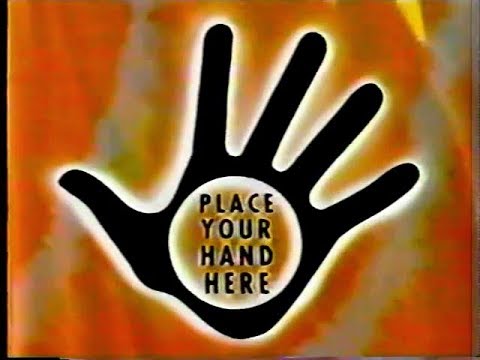
The shirt that changed color where you touched it — a warm handprint bloomed a lighter shade across your back, and everyone in class wanted to leave a mark. Hypercolor was a full-blown 1991 craze that the washing machine quietly killed.

Cross Colours
Color-blocked jeans, bold-lettered tees, and a message stitched into every garment: "Clothing Without Prejudice." Cross Colours dressed the Fresh Prince, half of early-90s hip-hop, and every kid who wanted to look like MTV — then vanished almost overnight when its biggest retailer went bankrupt.