Stüssy

A surfboard shaper's marker-scrawled signature became the logo streetwear was built on. Shawn Stussy sold tees out of his car around Laguna Beach; within a decade the International Stussy Tribe was seeding the coolest closets in every city — the playbook streetwear brands still run.
Shawn Stussy was a surfboard shaper in Laguna Beach, California, and in the early 1980s he started scrawling his surname across his handcrafted boards with a broad-tipped marker — a graffiti-influenced script that became the signature. He took that same handstyle to apparel: T-shirts, shorts, caps, each one marked with the scrawl, sold out of his car around Laguna Beach.
In 1984, Stussy partnered with accountant Frank Sinatra Jr. — no relation to the singer — to build it into an actual company. By the late 1980s and into the early 1990s the brand hit on the move every streetwear label has since imitated: the "International Stussy Tribe," a loosely organized crew of the coolest people in cities worldwide — DJs, skaters, club kids, designers — who got custom varsity jackets with their names stitched on. Hiroshi Fujiwara in Tokyo, Luca Benini in Italy, and the rest of the Tribe became the brand's ambassadors before "influencer" was a word. The playbook: give the culture the gear, let the culture do the marketing.
The numbers told the story. Stüssy expanded to Europe in 1988 and hit $17 million in revenue by 1991, then $20 million by 1992 — riding the crossover moment when surf, skate, and hip-hop were weaving together, before anyone had even named the category "streetwear." The brand became the template the whole genre would study: how to be everywhere the culture was without ever looking like it was trying.
In 1996, Shawn Stussy resigned as president and Sinatra bought out his stake. The brand has stayed in the Sinatra family's hands since, the marker-scrawl logo unchanged — the same signature that started on a surfboard blank.
Similar items

No Fear
The block-letter attitude brand of the '90s: bold white slogans about living hard and fearing nothing, splashed across black T-shirts, hoodies, and the rear windows of half the pickup trucks in the school parking lot. No Fear turned extreme-sports bravado into a middle-school uniform.
Oakley
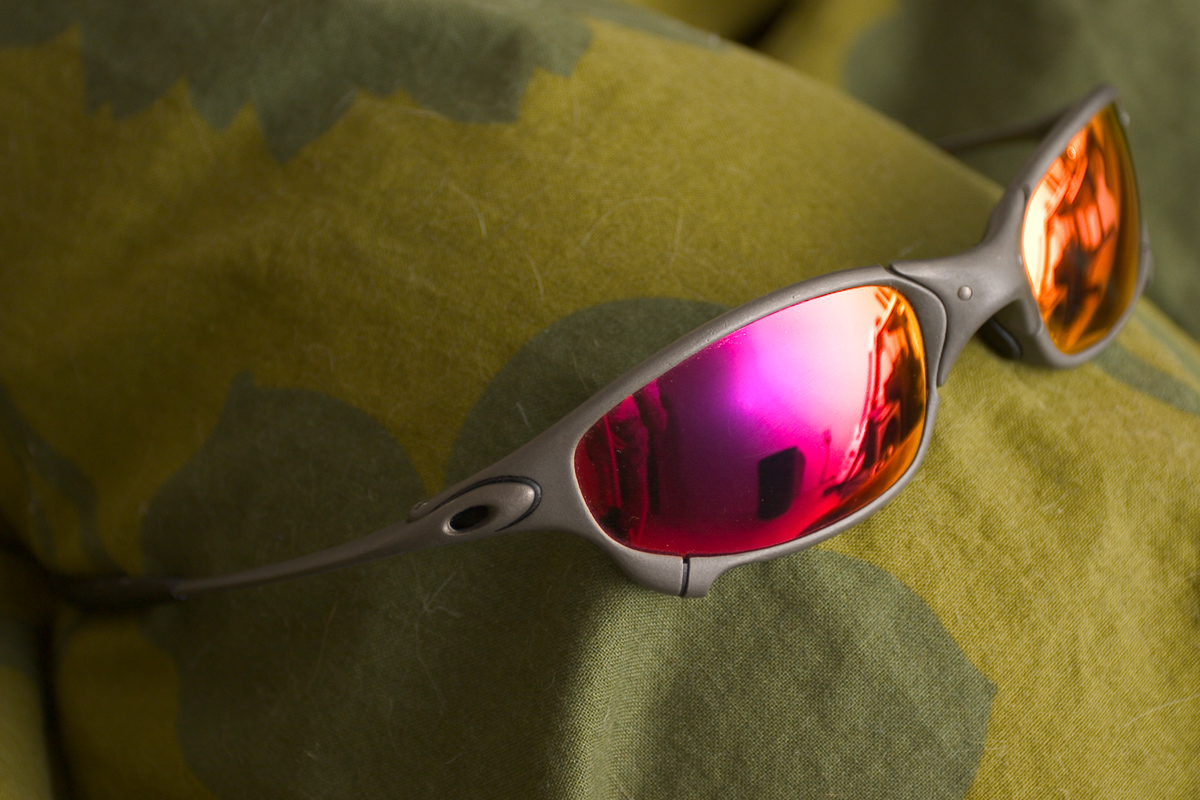
The sunglasses company that started out making motorcycle grips. By the '90s, Oakley's wraparound shields and mirror-finish iridium lenses were the uniform of athletes everywhere — M Frames on ballfields, Eye Jackets in Michael Jordan's ad campaign, X-Metal sculpted from the company's own titanium alloy.

Cross Colours
Color-blocked jeans, bold-lettered tees, and a message stitched into every garment: "Clothing Without Prejudice." Cross Colours dressed the Fresh Prince, half of early-90s hip-hop, and every kid who wanted to look like MTV — then vanished almost overnight when its biggest retailer went bankrupt.
Overalls with One Strap Undone
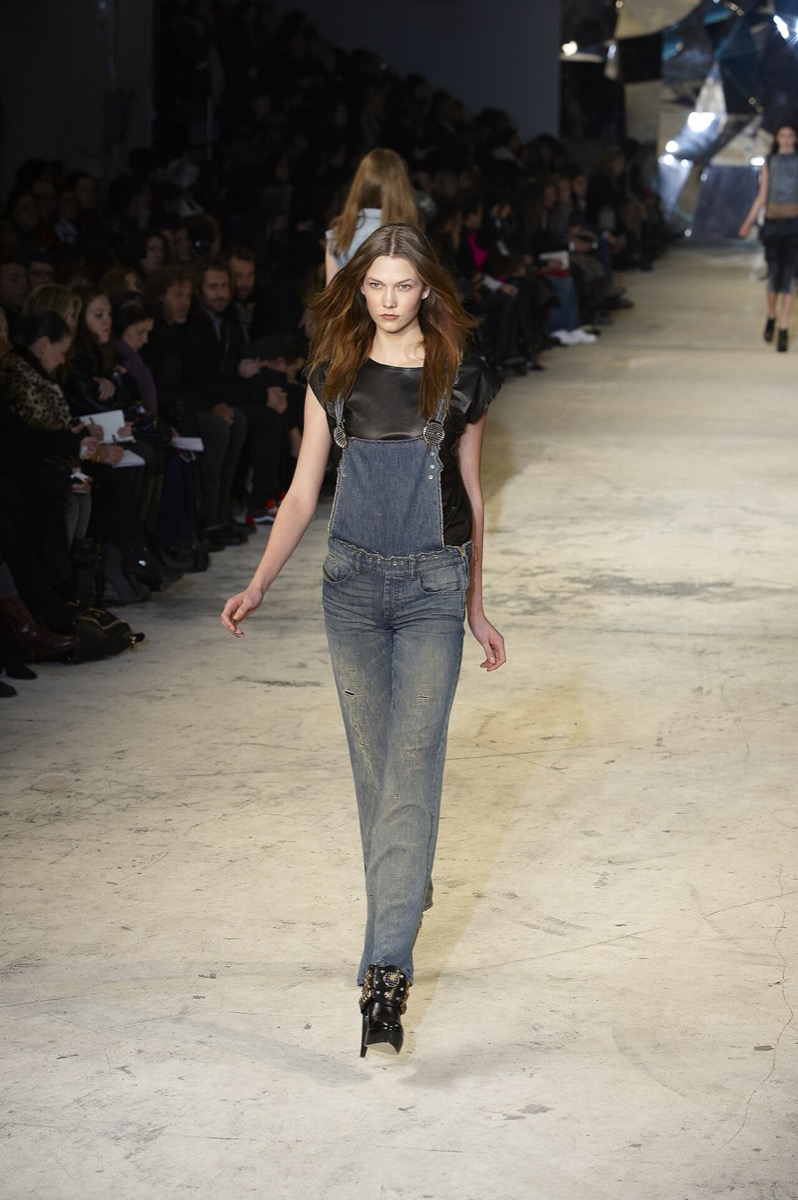
Overalls with one shoulder strap deliberately unhooked and dangling — a 1990s look straight out of hip-hop — Will Smith made it Fresh Prince canon — copied by every kid with access to denim. The buckle clanked when you ran. Fastening both straps meant you weren't cool.