Baseball Card Collecting

Every kid's shoebox of commons was going to pay for college. Junk-wax-era baseball cards — Topps, Fleer, Donruss, Score, Upper Deck — were printed by the billions while Beckett price guides promised the binder was a portfolio.
The "junk wax era" — roughly 1986 to 1994, depending on who draws the lines — was the stretch when baseball-card collecting became a national speculative frenzy and the manufacturers printed accordingly. In 1986 alone, Topps is estimated to have produced over one billion cards; by one hobby estimate, a year later it printed at least 2.5 million copies of each card in its 792-card set — roughly two billion cards from a single product. Fleer, Donruss, and Score flooded the shelves alongside it.
Upper Deck arrived in 1989 as the premium brand and put Ken Griffey Jr.'s rookie card at No. 1 of its debut set. That card became the era's icon — and an estimated 2 million of them were printed over three years, a supply the market preferred not to think about. Kids dog-eared monthly Beckett price guides to track what the binder was "worth," sleeved commons like stock certificates, and treated the ritual of the wax pack — crack the wrapper, ditch the stale stick of gum, fan the cards for the chase — as something halfway between play and investing.
Then the 1994 players' strike brought collecting to a standstill, and the bubble it had been inflating burst. Card shops closed across the country, and production had so outrun demand that most junk-wax-era cards are nearly worthless today. The shoebox never paid for college. A few years later, Beanie Babies would run the same speculative arc for the same kids — manufactured collectibility, price-guide faith, the same ending. What's left is the part that was real all along: the smell of a fresh wax pack, and knowing every stat on the back by heart.
Similar items
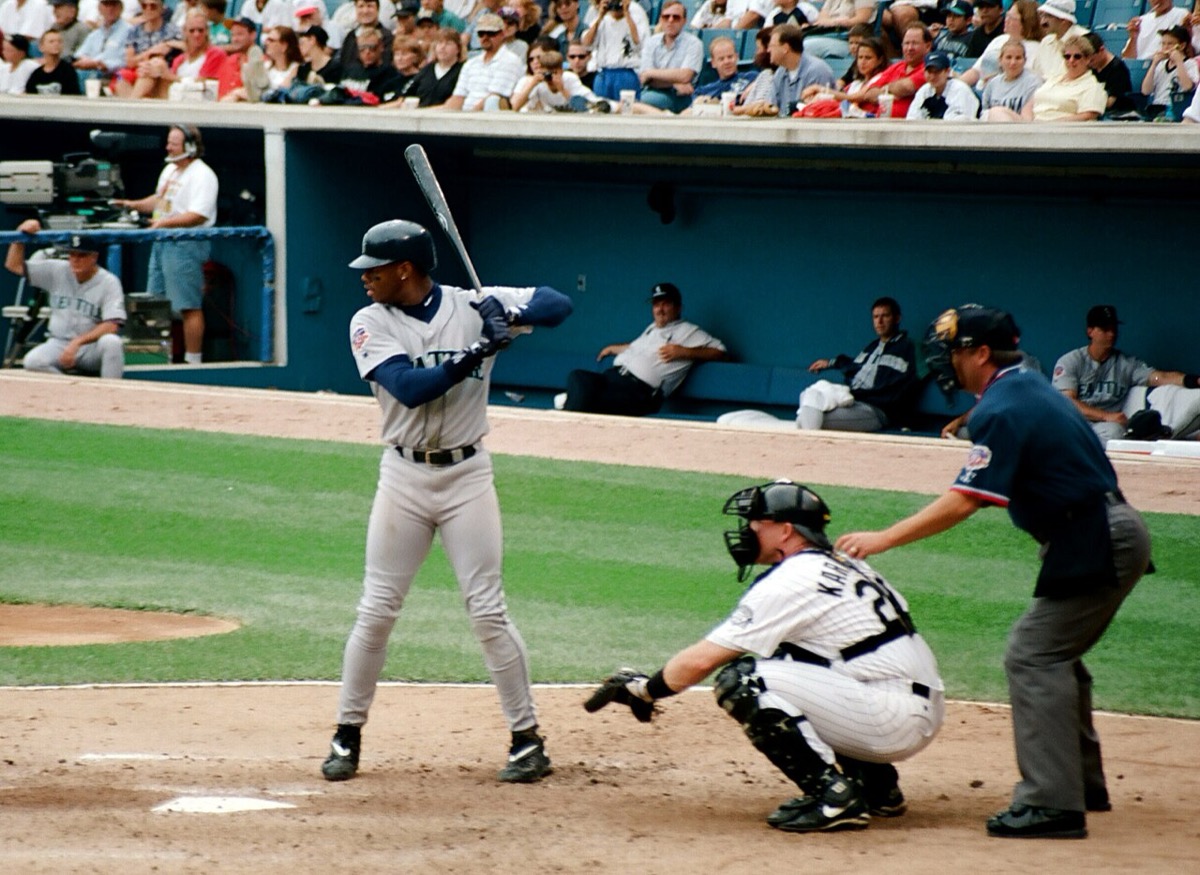
Ken Griffey Jr.
The Kid — the backwards cap, the sweetest left-handed swing in baseball, and the Seattle Mariners star who was the face of the 90s game. Ken Griffey Jr. hit towering home runs, made highlight-reel catches, and had his name on the video games kids played and the Wheaties boxes on the breakfast table.

Pokémon Trading Card Game
Trading cards that turned every backpack into a vault and every playground into a market. Pokémon cards hit US schools in 1999 and became instant contraband — the holographic Charizard was the mythical grail, and somehow every kid in your class claimed to have a mint copy.

Beanie Babies
Ty Warner's small, under-stuffed plush animals launched in 1993 with a genius (and cynical) business strategy: artificial scarcity through deliberate 'retirements' sparked a mid-90s speculative mania. Kids and desperate adults bought price guides, protected tags with plastic sleeves, camped out for McDonald's Teenie Beanies, and treated them as retirement investments before the bubble collapsed around 1999.

The 1998 Home Run Chase
All summer, McGwire and Sosa traded home runs while the whole country checked the tally on the nightly news. The 1998 chase for Roger Maris's record turned baseball back into must-see TV—and its record book now reads very differently.