Bag Phones and Car Phones

Before the family had a cell phone, the family car had one: a curly-cord handset in the console, or a three-watt Motorola in a leather bag that lived in the trunk and plugged into the cigarette lighter. You called from it only in emergencies, because every minute cost real money and Dad said so.
Car phones are older than most people guess. Radiotelephone service for cars began with the Bell System in St. Louis in June 1946, and Motorola equipment carried the first calls on Illinois Bell's Chicago car service that October. For decades it was a rare luxury. Cellular changed the math: the first U.S. cellular system went live in Chicago in October 1983 serving hard-wired car units, the analog AMPS network spread from 1984, and Motorola's DynaTAC car phones arrived the same year, alongside the brick-sized DynaTAC 8000X handheld. Through the 1980s the car phone, not the handheld, was the mobile phone most people actually saw.
The bag phone was Motorola's way of letting the car phone leave the car. Introduced in 1988 and descended from its Tough Talker transportables, it packed the handset, a transceiver and a battery into a carry case, nylon at first and leather from about 1990, that ran off the vehicle's lighter socket or its own pack for up to two and a half hours of talking. Its selling point was power: up to three watts, far more than the pocket handhelds, which is why truckers, boaters and anyone in a rural dead zone swore by them. For a lot of families in the early 90s, the bag in the trunk or the handset in the center console was the first cell phone they ever owned, kept for flat tires and "call when you get there."
The curly cord lost to the pocket. As handhelds got lighter and cheaper through the 90s boom, from the flip-phone MicroTAC to the StarTAC, car phones became uncommon and the bag phone turned into a trucker's tool; Motorola built its last ones in 2000. The analog AMPS network they relied on was switched off in 2008, silencing every one of them within the year, and the phones, sturdy enough that many still power up, became garage-sale relics of the years when a phone had a bag.
Similar items
Pagers (Beepers)
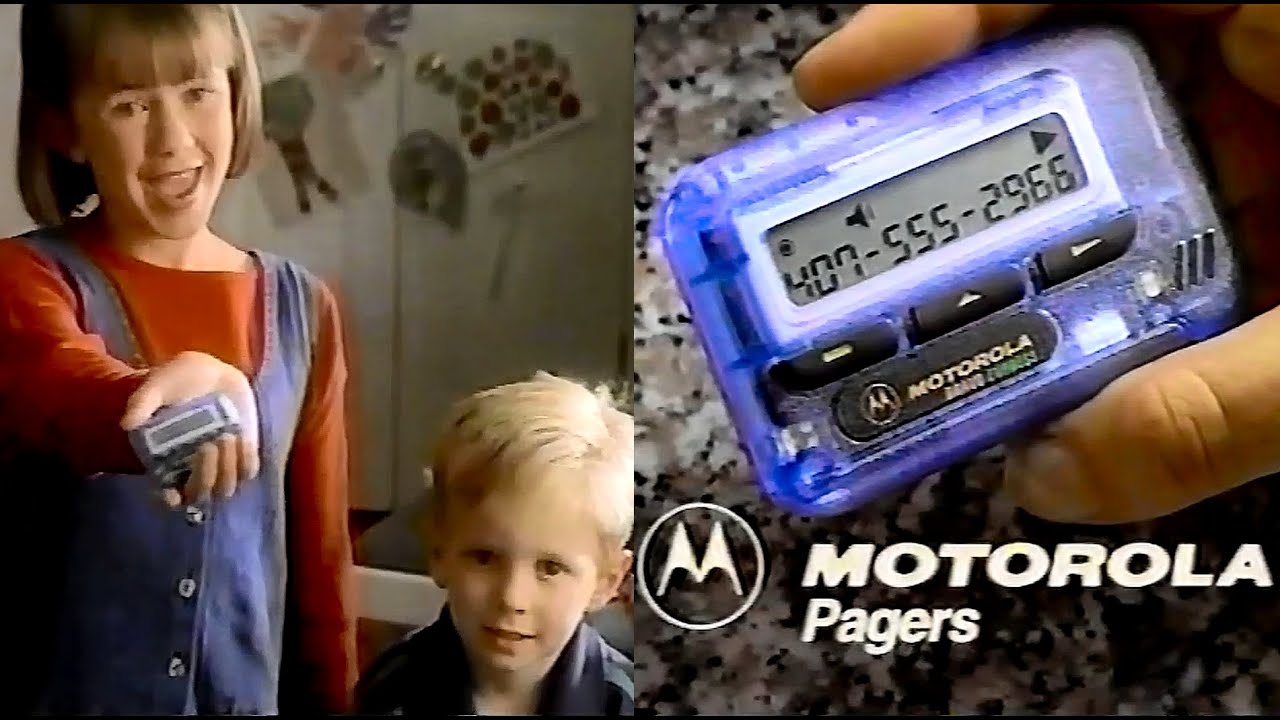
The numeric pager that showed callback numbers and cryptic codes: 143 meant 'I love you,' 911 meant call me NOW, 411 was gossip time. Clipped to your waistband, getting beeped meant hunting for a payphone with a quarter—and by 1994, 61 million pagers were in use, with Motorola owning roughly 80% of the market.

Motorola StarTAC
A Star Trek communicator finally landed in your hand — the Motorola StarTAC flipped open and changed what everyone thought a phone should be. At 88 grams and a $1,000 price tag, it was impossibly small and impossibly cool.

Nokia 3310
The brick phone that became a meme—Nokia's 3310 was the phone that survived drops that would kill any modern device. Released in 2000 and sold over 126 million times, it was famous for its indestructibility, the built-in Snake II game, interchangeable colored covers, and the iconic Nokia tune ringtone. It was the anti-smartphone years before the smartphone era, representing the peak of durable simplicity.
Pay Phones
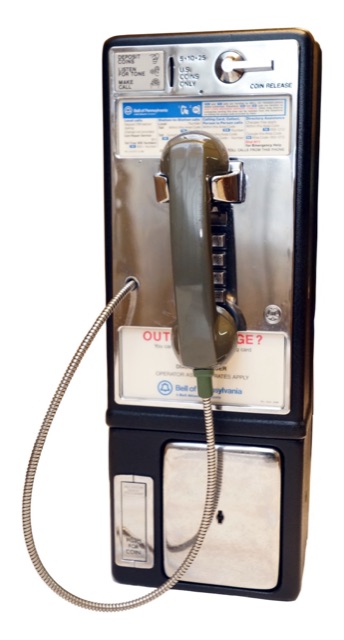
Coin-operated public telephones on street corners, in malls, and outside every gas station — the fallback when you needed to call home or were out of pocket change. At their 1990s peak, the US had over 2 million payphones; by the 2010s, they'd nearly vanished.