Answering Machine Greetings

"You've reached the Johnsons! We can't come to the phone right now..." Before voicemail lived in your pocket, the family answering machine greeting was a homemade radio production — rehearsed, re-recorded, occasionally sung — and every caller had to sit through it.
Answering machines existed for decades, but they became a fixture of American homes after the 1984 breakup of AT&T opened the market and prices fell — US sales soon hit a million units a year. The classic designs ran on cassettes: an endless-loop tape for your outgoing greeting, a second tape for messages, and a blinking red light that told you whether anybody loved you. The first digital machines arrived around 1990, but the ritual stayed the same.
And the greeting was a genuine ritual. Recording it meant the whole household gathered around the machine performing take after take — the family who said the greeting in unison, the dad doing a radio-DJ voice, the kids reciting a rehearsed line each, the households that sang theirs to a pop melody. Novelty greeting tapes and joke scripts circulated; answering-machine humor became its own sitcom staple. The machine also quietly changed phone culture itself: for the first time you could screen calls, standing frozen by the phone while a telemarketer — or a crush — talked into the tape.
Cell phones and carrier voicemail dissolved all of it through the 2000s: voicemail greetings became terse, automated, and personal rather than familial. What vanished wasn't the technology so much as the little domestic broadcast — one goofy, collaborative production number that played for every single person who called your house.
Similar items

Caller ID Box
A little LCD slab that sat beside the phone and did exactly one thing: showed you who was calling before you picked up. For about a decade, knowing that required buying a second device and paying the phone company a monthly fee for the privilege. Then telephones learned to do it themselves and the box quietly vanished.
Pagers (Beepers)
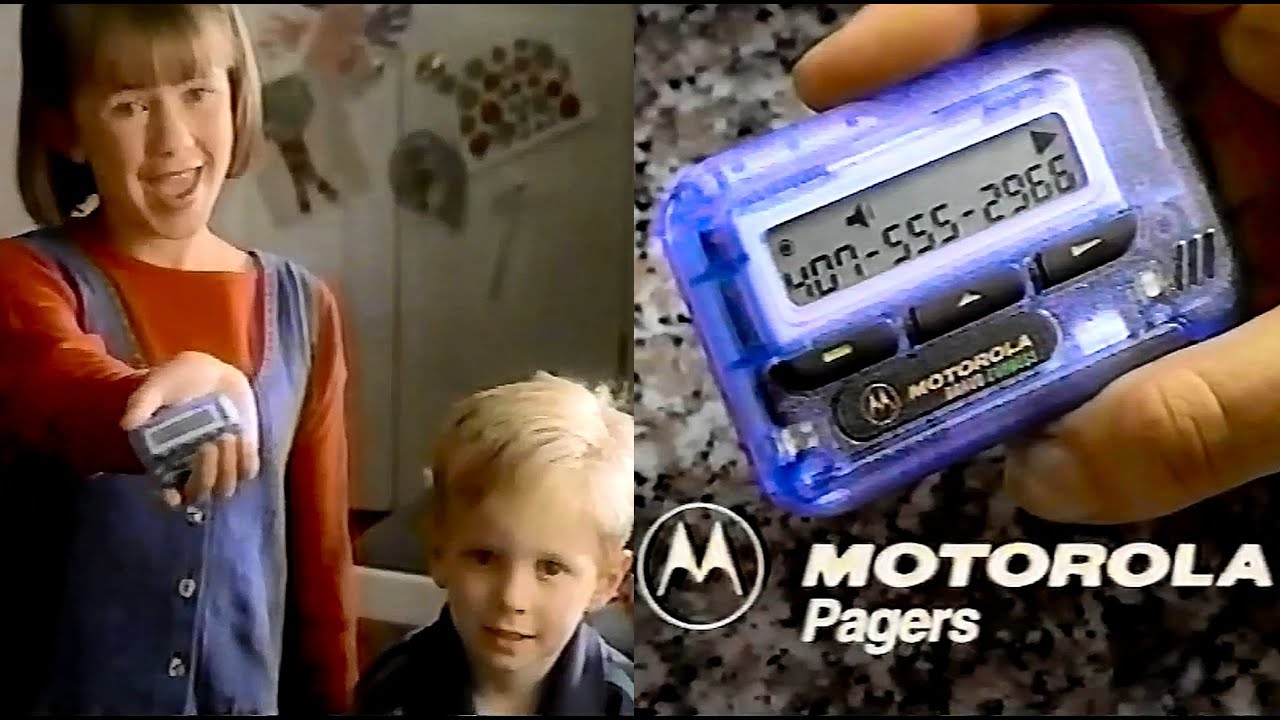
The numeric pager that showed callback numbers and cryptic codes: 143 meant 'I love you,' 911 meant call me NOW, 411 was gossip time. Clipped to your waistband, getting beeped meant hunting for a payphone with a quarter—and by 1994, 61 million pagers were in use, with Motorola owning roughly 80% of the market.
Dial-Up Internet
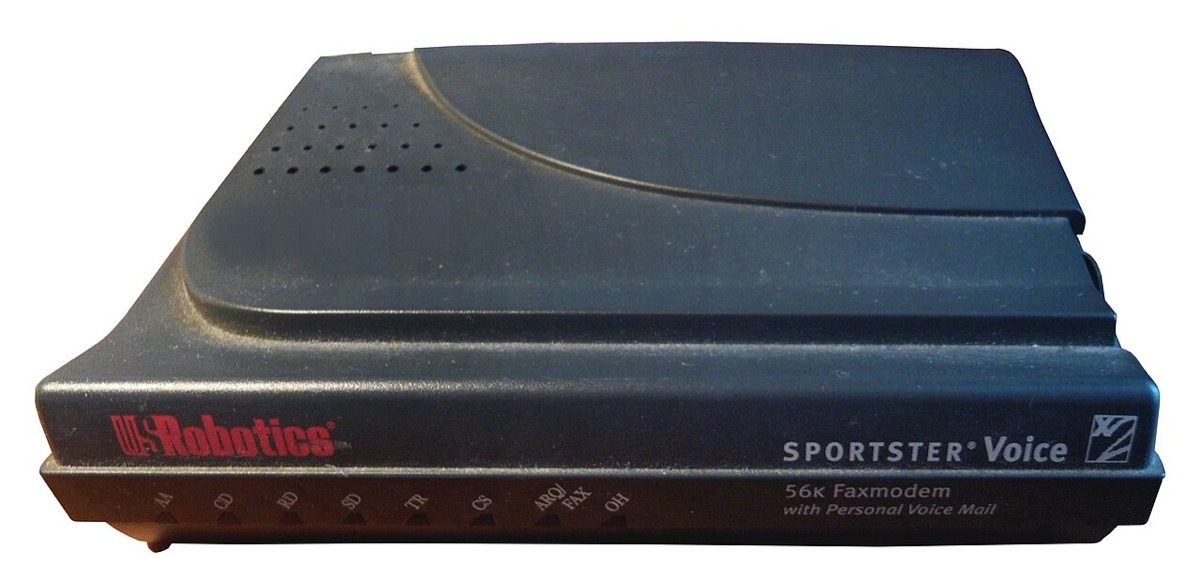
That modem squeal. The frozen phone line. "Get off the internet, I need to make a call." Dial-up was the sound and the ritual of getting online for a generation of American homes — peaking in the dot-com years, overtaken by broadband around 2004, and lingering until AOL finally hung up in 2025.
Pay Phones
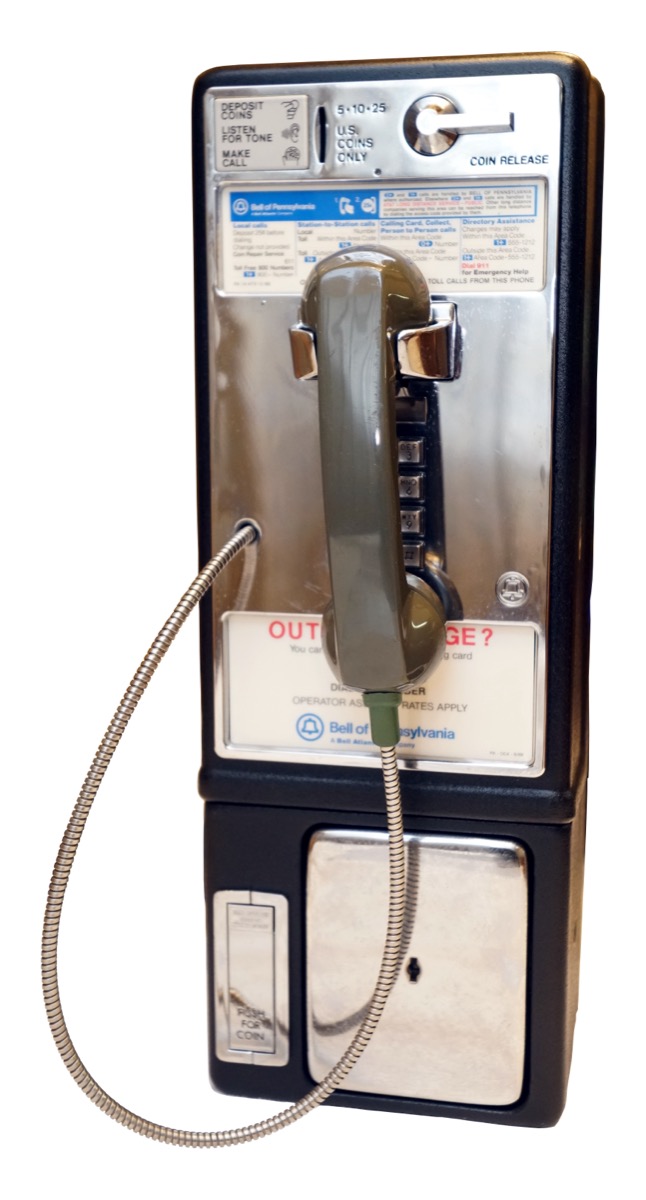
Coin-operated public telephones on street corners, in malls, and outside every gas station — the fallback when you needed to call home or were out of pocket change. At their 1990s peak, the US had over 2 million payphones; by the 2010s, they'd nearly vanished.