Airbrushed T-Shirts
Your name in chrome bubble letters over an airbrushed sunset, sprayed while you watched at the mall kiosk or boardwalk booth. Ten minutes of hissing compressor, a paint-speckled artist in a folding chair, and you walked away with the most personalized thing you owned.
The airbrushed T-shirt was custom fashion before anyone used that phrase — a blank tee, a rack of stencils, and an artist with a compressor who could put anything you wanted on your chest. The setups were everywhere Americans went on a good day: beach boardwalks, county fairs, tourist strips, and the mall kiosk between the food court and the arcade. The menu barely changed for twenty years — names in bubble letters or graffiti script, sunsets with palm trees, cartoon characters, and matching his-and-hers sets for couples confident in their timeline.
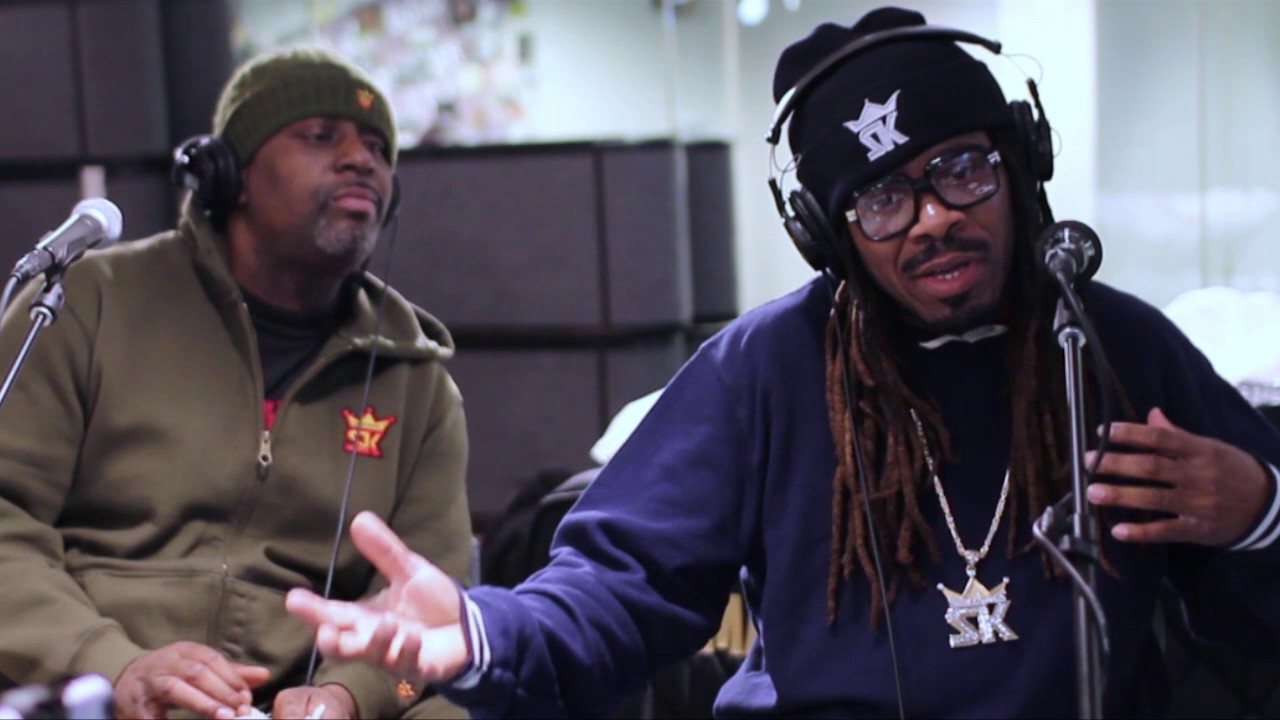
The art form's serious lineage runs through hip-hop. In 1986, three graffiti artists — Edwin 'Phade' Sacasa, Rafael 'Kasheme' Avery, and Clyde 'Mighty Nike' Harewood — set up the Shirt Kings shop in the Jamaica Colosseum mall in Queens, moving graffiti style from walls onto sweatshirts and denim: cartoon characters restyled with gold ropes, name rings, and attitude. Rap royalty like Biz Markie, LL Cool J, Big Daddy Kane, and Salt-N-Pepa wore their pieces, and by the time the original shop closed in 1995 the Shirt Kings were being credited as a foundation for the wave of Black-owned streetwear brands — FUBU, Walker Wear, Mecca — that followed. The kid getting 'RYAN' sprayed over a beach sunset in Ocean City was standing at the far end of a genuine art movement.
Screen printing and direct-to-garment machines eventually made custom shirts a website checkout instead of a performance, and the mall kiosks thinned out. But the trade never died — boardwalk and fair booths still spray names on demand every summer, and original airbrushed pieces from the era now circulate as vintage streetwear. The specific thrill remains unreplicated: watching a stranger freehand your name into something nobody else on earth owned.
Similar items

Cross Colours
Color-blocked jeans, bold-lettered tees, and a message stitched into every garment: "Clothing Without Prejudice." Cross Colours dressed the Fresh Prince, half of early-90s hip-hop, and every kid who wanted to look like MTV — then vanished almost overnight when its biggest retailer went bankrupt.
Starter Jackets
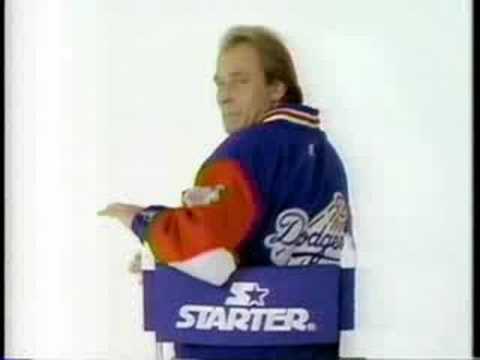
Starter's nylon and satin team jackets were the uniform of 90s cool — oversized windbreakers emblazoned with NBA and NFL team logos that transformed playground basketball courts and city streets into stadiums of style. Starter jackets became so coveted they sparked robberies, making them perhaps the decade's most dangerous fashion statement.
Hypercolor T-Shirts
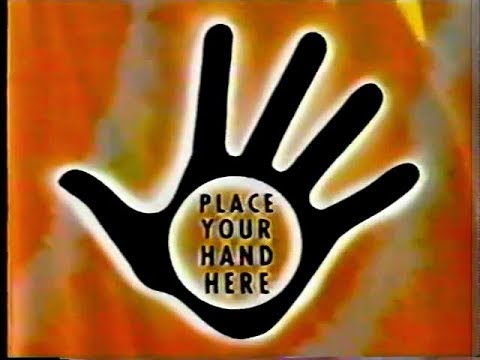
The shirt that changed color where you touched it — a warm handprint bloomed a lighter shade across your back, and everyone in class wanted to leave a mark. Hypercolor was a full-blown 1991 craze that the washing machine quietly killed.

JNCO Jeans
JNCO jeans were the uniform of 90s youth rebellion: outrageously baggy denim with cavernous pockets so deep you could lose a Walkman, decorated with zipper details and an attitude that rejected traditional fit. If you weren't tripping over your cuffs or making those pockets jingle, you weren't dressed for the decade.