Wonderwall
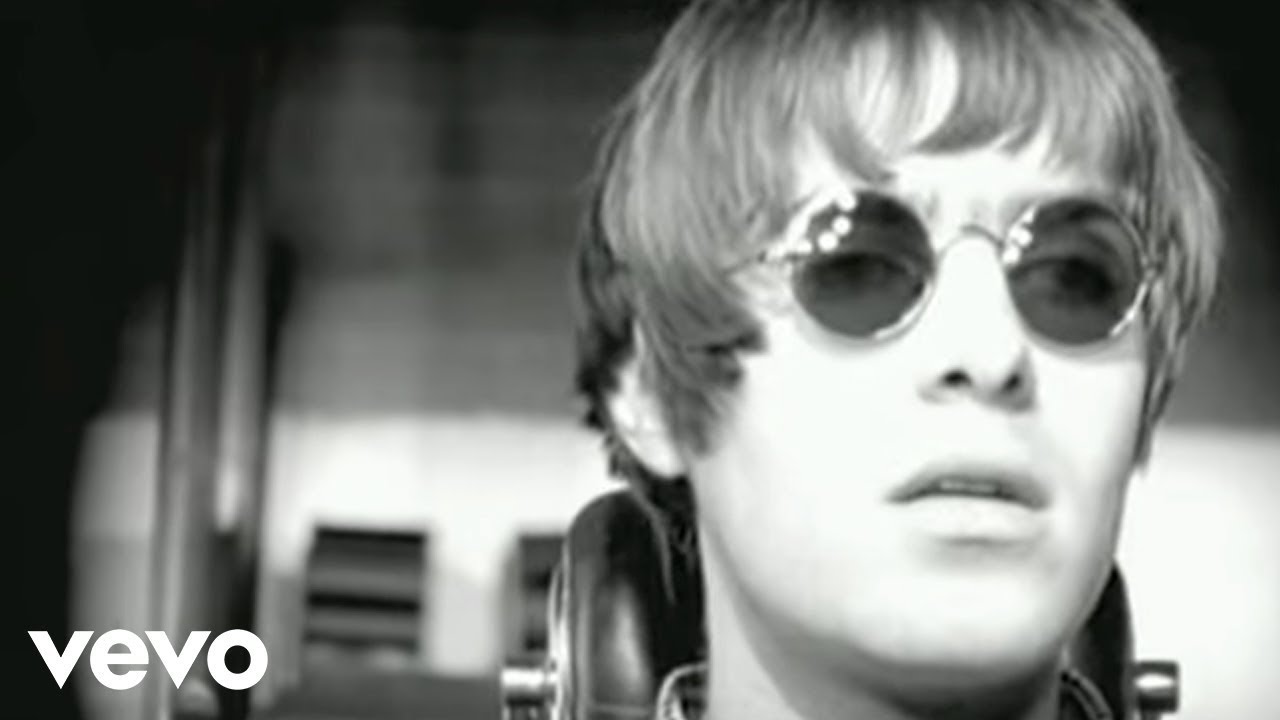
Today is gonna be the day. A few strums into any acoustic guitar within earshot of a campfire, and everybody knows what's coming. Oasis's 1995 anthem became Britpop's biggest export, America's one Oasis moment, and the song guitar shops learned to dread.
Noel Gallagher wrote 'Wonderwall' under the working title 'Wishing Stone,' and Creation Records released it on October 30, 1995, as the fourth single from (What's the Story) Morning Glory?. Even what it was about became a saga: Gallagher told NME in 1996 it was written for his then-girlfriend Meg Mathews, then after their 2001 divorce insisted it was really about 'an imaginary friend who's gonna come and save you from yourself.' Liam offered his own theory involving childhood scribbling on bedroom wallpaper. The ambiguity never hurt it — half the point of the song is that it feels like it's about whoever you're thinking of.
It stalled at number two in the UK — a chart quirk that did nothing to slow it — while topping the charts in Australia and New Zealand and climbing to number eight on the Billboard Hot 100, Oasis's only top-ten hit on the American chart. For a band that had already conquered Britain outright, 'Wonderwall' was the single that carried them across the Atlantic. It even spawned an instant novelty double: the Mike Flowers Pops' lounge-lizard easy-listening cover reached UK number two that same December.
The long afterlife is the real story. 'Wonderwall' became the first song anyone learned on acoustic guitar — so universally that 'Anyway, here's Wonderwall' turned into an internet-wide punchline and guitar shops jokingly banned it the way an earlier generation banned 'Stairway to Heaven.' The streaming era confirmed what every campfire already knew: in October 2020 it became the first song from the 1990s to hit one billion streams on Spotify. Certifications piled up to match — 9× platinum in the UK, 14× in Australia. After all, maybe you're gonna be the one that saves whoever's listening.
Similar items
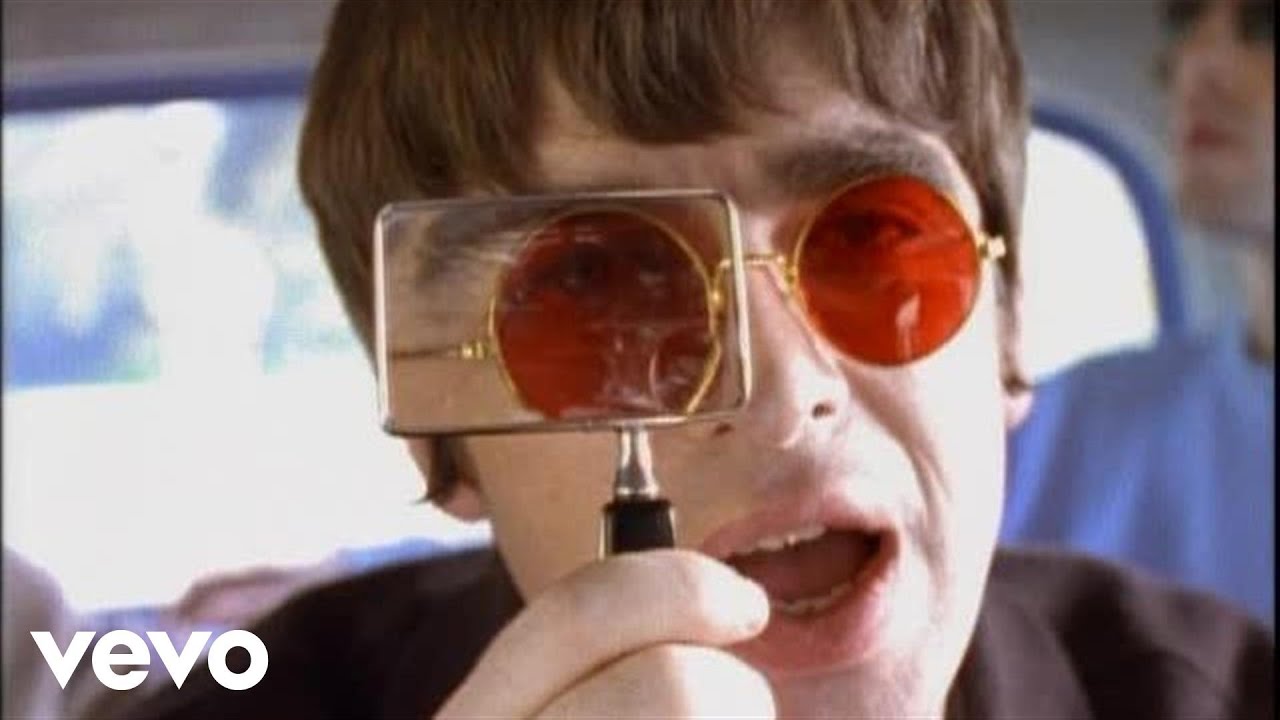
Oasis — (What's the Story) Morning Glory?
Oasis's second album was the sound of the 1990s reaching critical mass: brothers Noel (songwriter, deadpan guitar) and Liam (arrogant vocals) Gallagher channeling The Beatles, bombast, and Manchester swagger into 12 tracks that became anthems. One of the best-selling albums ever, it made Oasis briefly the biggest rock band on Earth.
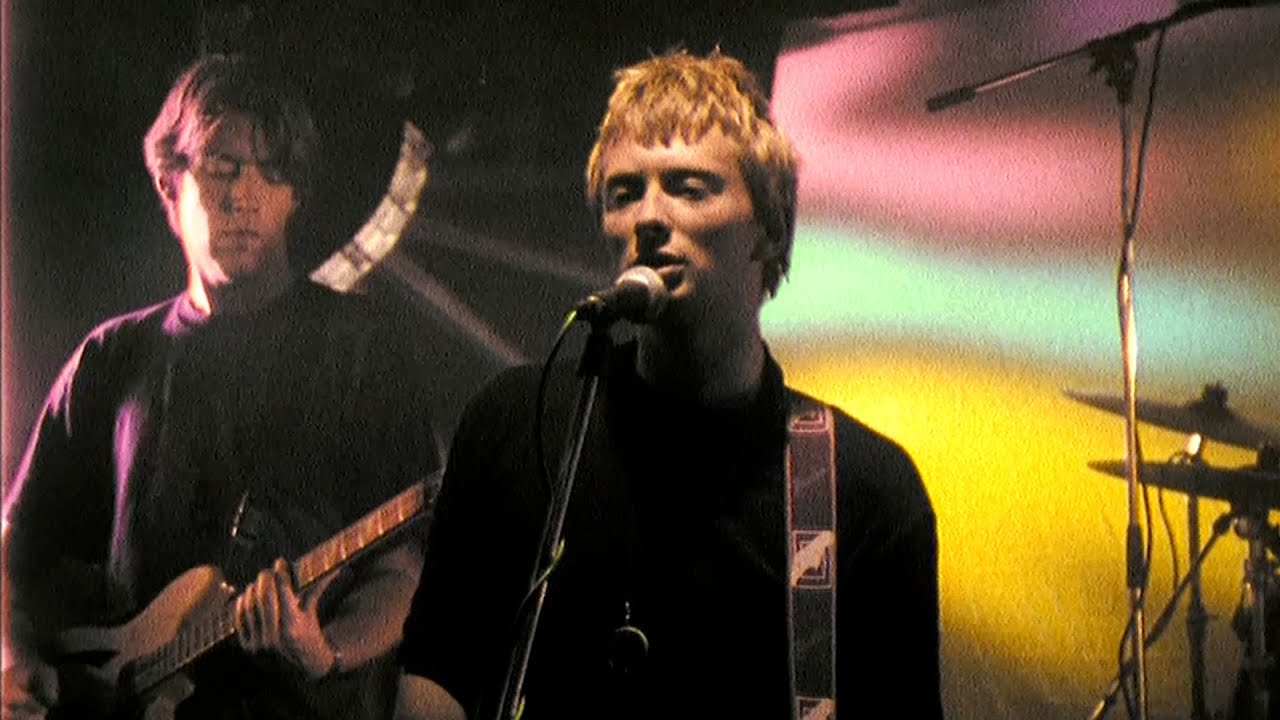
Creep
The self-loathing anthem that made Radiohead famous — and that Radiohead spent years refusing to play. Three crunching guitar stabs before the chorus, a whispered "I'm a creep, I'm a weirdo," and every alienated kid of the 90s had a theme song.

Alanis Morissette — Jagged Little Pill
Alanis Morissette's international debut detonated on alternative radio with "You Oughta Know" and never let up. At 21, she won the 1996 Grammy for Album of the Year, becoming the youngest recipient of that award at the time and selling over 33 million copies worldwide.
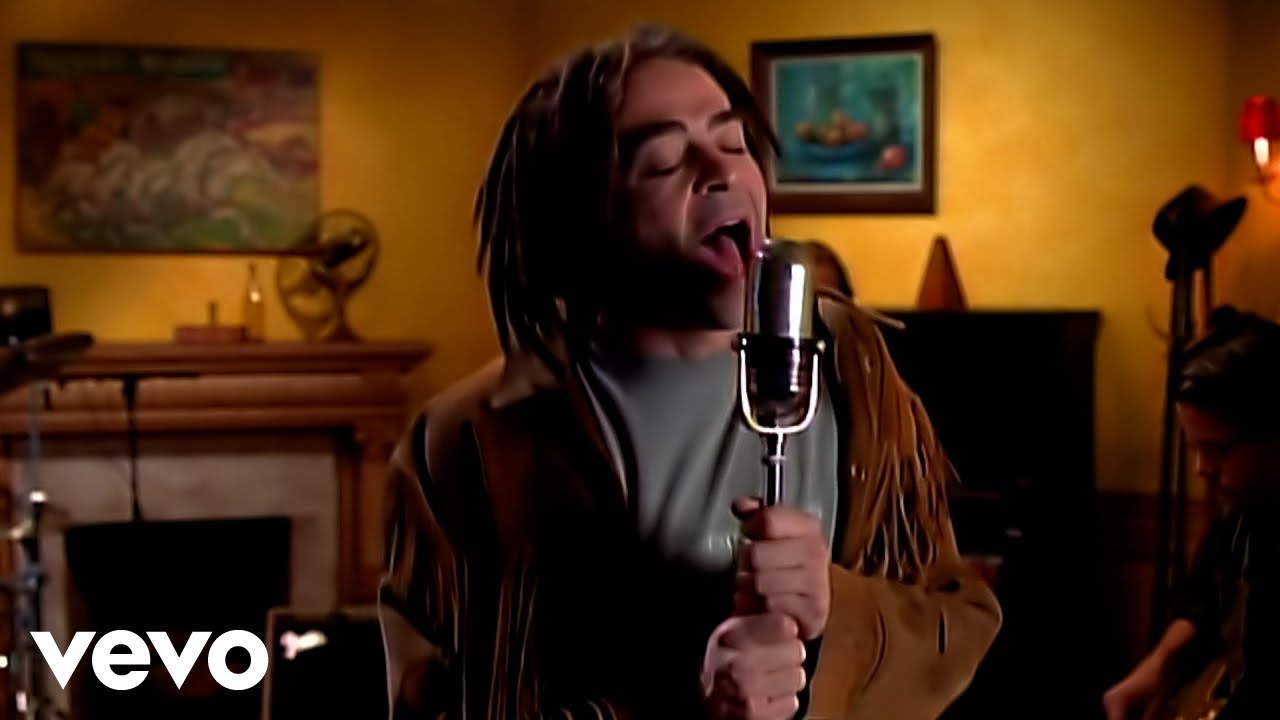
August and Everything After
Counting Crows' 1993 debut—rootsy, literate, and aching, with "Mr. Jones" inescapable on every radio and Adam Duritz's dreads on every MTV block. The album that lived in car CD players for the rest of the decade.