Windows Vista

The operating system that looked like the future and ran like a permission slip. Vista arrived in 2007 with translucent Aero glass — and an endless stream of "allow or deny?" prompts every time you tried to do anything. XP users refused to leave; Windows 7 users pretend it never happened.
Windows Vista began in May 2001 as "Longhorn," planned as a minor update to Windows XP. Feature creep turned it into something else entirely, and in August 2004 Microsoft announced a development reset; by the time it shipped — to businesses on November 30, 2006 and to everyone else on January 30, 2007 — some 2,000 developers and roughly 50 million lines of code later, more than five years had passed since XP.
Vista brought real changes: the Aero glass-and-shadows look, BitLocker encryption, and User Account Control, a confirmation gate in front of admin-level changes. But UAC's execution was infamous — the endless pop-ups became the machine's personality, a security guard interrupting everything — and the hardware requirements were criticized as inordinately high compared to XP. Reception was mixed, and Vista is broadly considered a market failure next to its predecessor even though it reached roughly 330 million users by 2009. In July 2008 Microsoft ran the "Mojave Experiment": Vista skeptics were shown a demo of a "new" operating system codenamed Mojave, rated it highly, then were told it was Vista all along. Critics pointed out the demo machines came pre-configured — neatly dodging the driver and compatibility headaches people were actually complaining about.
Windows 7 arrived in 2009 and everyone moved on (or had simply never left XP). Mainstream support ended April 10, 2012, extended support on April 11, 2017, and Vista settled into its role as the cautionary tale between two beloved versions of Windows.
Similar items

Windows XP
The operating system with the rolling green hill wallpaper—Windows XP arrived in October 2001 with Luna's glossy blue taskbar, the green Start button, and the cheerful startup chime that defined a generation's relationship with computers. It was stable, beloved, and so enduring that users clung to it long after Microsoft stopped supporting it, making it the most iconic OS of the 2000s.

Windows Movie Maker
That star-wipe transition. Title cards in Comic Sans. Every school project, every vacation montage, and countless early YouTube videos were cut in the editor that came free with your computer. Windows Movie Maker didn't invent video editing — it just made it something any kid could actually do.
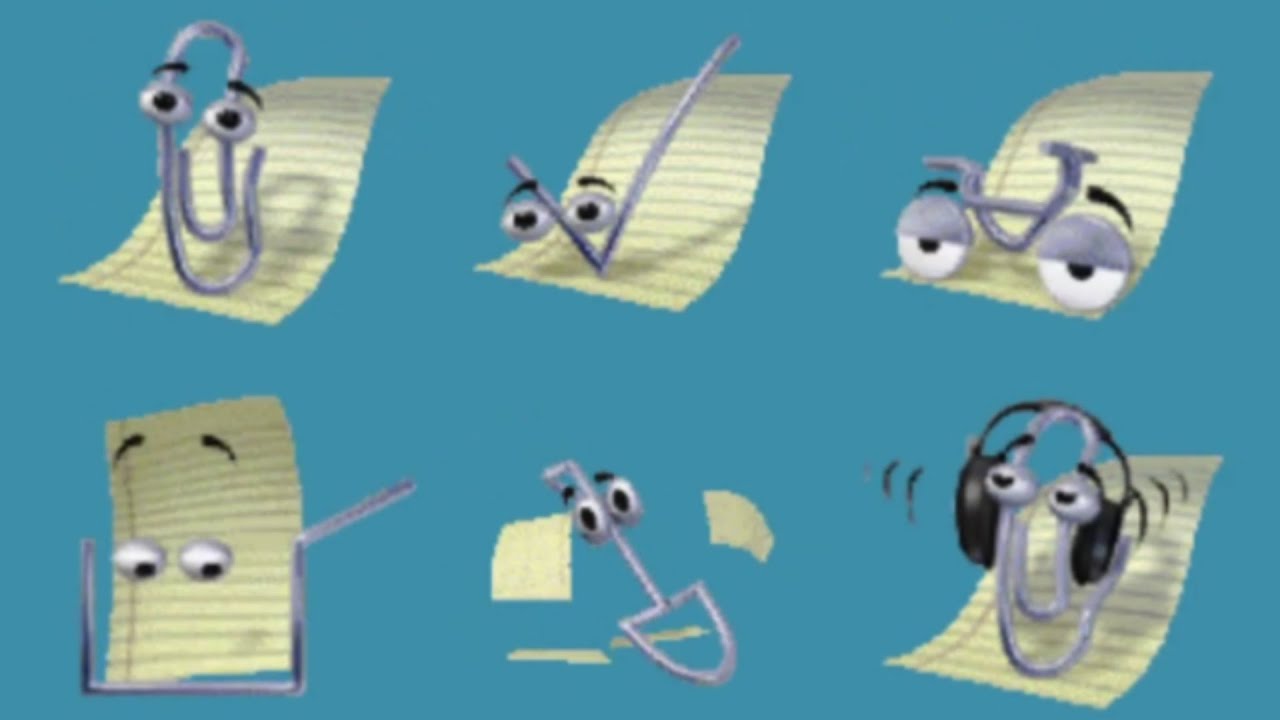
Clippy
"It looks like you're writing a letter. Would you like help?" Clippy, Microsoft Office's animated paperclip assistant, was the most helpful thing nobody asked for — so universally mocked that Microsoft built an ad campaign around firing him, and so fondly remembered that he came back as an emoji.

Microsoft Encarta
The CD-ROM encyclopedia that killed the twenty-volume set on the shelf. Encarta turned book reports into a multimedia experience — clickable maps, audio clips of national anthems and animal sounds, video snippets — and hid the MindMaze trivia game inside for when you were supposed to be studying.