Windows Movie Maker

That star-wipe transition. Title cards in Comic Sans. Every school project, every vacation montage, and countless early YouTube videos were cut in the editor that came free with your computer. Windows Movie Maker didn't invent video editing — it just made it something any kid could actually do.
Microsoft's free video editor first shipped with Windows Me in September 2000, but it was the Windows XP version (2001) that a generation grew up on. The interface was simple drag-and-drop: timeline and storyboard views, transitions and effects, animated title cards, and a one-click AutoMovie that assembled a cut for you.
Movie Maker didn't just edit videos — it made editing something regular kids just did. School projects got star-wipes and Comic Sans title cards; family vacations became montages; the render bar crawled overnight, and sometimes a crash ate an evening's work. Countless early YouTube uploads were cut in Movie Maker, amateur seams and all. A Vista version arrived in 2006, and the redesigned Windows Live Movie Maker (2009–2011) added direct YouTube uploading; the final form shipped in Windows Essentials 2012.
Microsoft removed Movie Maker from download on January 10, 2017, but the mark was already made: a generation of kids had learned that video editing needed no special equipment and no training beyond messing around. Movie Maker was the gateway.
Similar items

Early YouTube
The video platform that made viral content a daily ritual. YouTube launched in 2005 as low-res, ad-free, and gloriously weird—a space where "Lazy Sunday," "Chocolate Rain," and "Charlie Bit My Finger" became the lingua franca of internet culture.

Windows XP
The operating system with the rolling green hill wallpaper—Windows XP arrived in October 2001 with Luna's glossy blue taskbar, the green Start button, and the cheerful startup chime that defined a generation's relationship with computers. It was stable, beloved, and so enduring that users clung to it long after Microsoft stopped supporting it, making it the most iconic OS of the 2000s.

Windows Vista
The operating system that looked like the future and ran like a permission slip. Vista arrived in 2007 with translucent Aero glass — and an endless stream of "allow or deny?" prompts every time you tried to do anything. XP users refused to leave; Windows 7 users pretend it never happened.
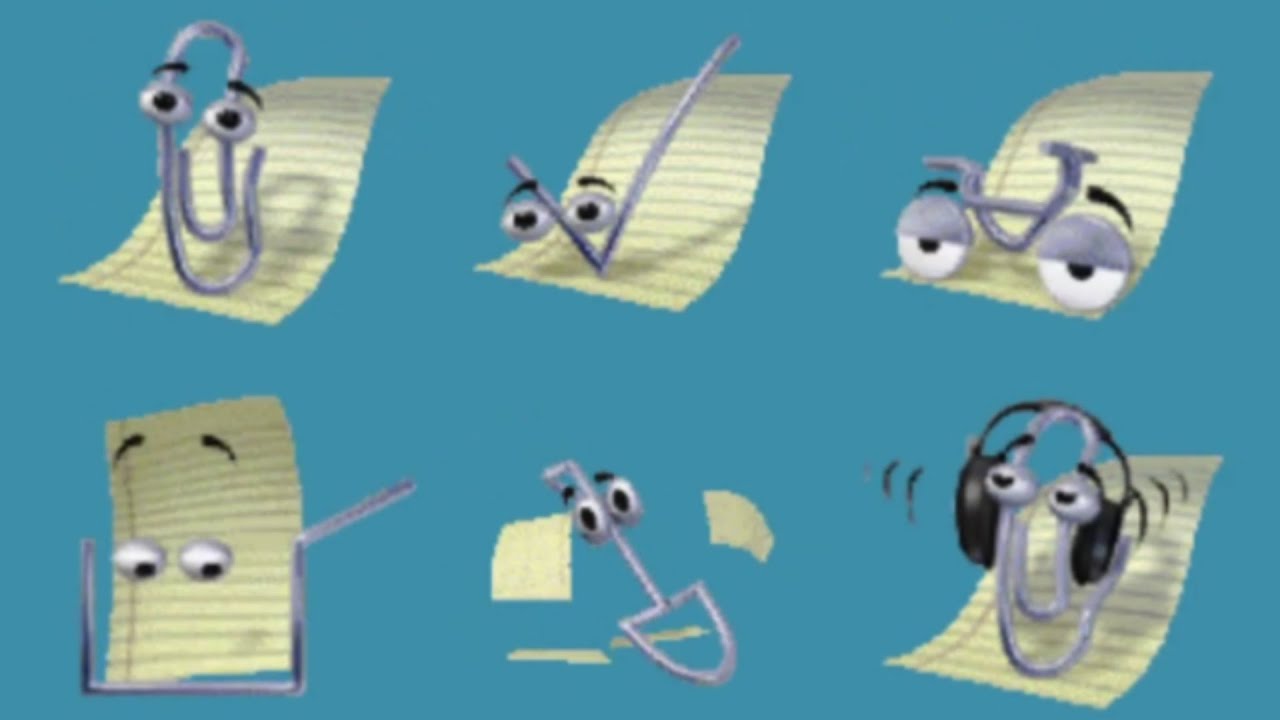
Clippy
"It looks like you're writing a letter. Would you like help?" Clippy, Microsoft Office's animated paperclip assistant, was the most helpful thing nobody asked for — so universally mocked that Microsoft built an ad campaign around firing him, and so fondly remembered that he came back as an emoji.