Toontown Online

Disney's kid-safe MMO let kids become a cartoon dog or duck and fight the Cogs, gray robot businessmen, with cream pies and seltzer bottles. Toontown Online launched June 2, 2003, at $9.95 a month, kept chat to a menu of approved phrases, and closed on September 19, 2013, which is roughly when the fans started rebuilding it themselves.
Disney's Virtual Reality Studio built it with Schell Games, and it spent a long time in testing: a first beta in 2001 and early 2002, a second in the fall of 2002, then eight months of public "sneak preview" before the official launch on June 2, 2003. The price was $9.95 a month, $49.95 for six months, or $79.95 a year, after a three-day free trial. You made a Toon (six species at launch, nine eventually), waited a day or two for a human at Disney to approve its name, and walked out of the playground into Toontown Central, where the Cogs patrolled the streets. Battles were turn-based, up to four Toons a side, fought with Gags: a cream pie, a seltzer bottle, working up to bigger slapstick as you earned experience. Your health was a Laff meter, and when it hit zero you were not dead, just "sad," and went back to the playground to cheer up. The Cogs came in four corporate flavors, Bossbots, Lawbots, Cashbots, and Sellbots, each with a headquarters and a boss, and getting into those meant collecting a Cog disguise first.
The part parents remember is SpeedChat. Instead of typing, kids picked from a menu of Disney-approved phrases ("Hello," "Let's go!"), with more purchasable for 100 jellybeans; a filtered free-typing mode replaced blocked words with the Toon's animal noise, and genuinely open chat was limited to Secret Friends, which required swapping a code outside the game. A St. Petersburg Times reviewer that first month found the whole thing "cute and safe, if occasionally stifling in its sugary charm," which was more or less the design brief. Computer Gaming World named it MMORPG of the Year for 2003, Sony Online's Platform Publishing put a boxed version in stores in 2005, and Disney threw ToonFest for players at its Burbank studio in 2006 and at Walt Disney World in 2007.
Disney shut it down on September 19, 2013, after a little over ten years, giving every member the rest of their time free. Jesse Schell, whose studio helped build it, said the subscription-download model had simply stopped working and that Disney wanted a mobile version it never found a business model for. Within a week of the closure, fans had begun Toontown Rewritten, a free, non-monetized recreation assembled from publicly available downloads; its creator, Joey Ziolkowski, now works at Schell Games.
Similar items

Club Penguin
The online hangout where millions of kids waddled around as cartoon penguins, decorated their igloos, adopted puffle pets, and played mini-games for coins in a safety-focused chat environment. Club Penguin was one of the first MMOs designed specifically for kids, and it became an after-school addiction that defined a generation's online childhood.

Millsberry
General Mills' cereal-box virtual town: make a character, earn Millsbucks, furnish a house, and play arcade games named for Reese's Puffs and Lucky Charms. Millsberry ran from 2004 to 2010, the fullest advergame of its era, and signed off by handing every citizen a yearbook.

Neopets
The website where you could adopt a digital pet, battle it in the Battledome, and waste hours playing Flash mini-games to earn Neopoints. Launched by UK students Adam Powell and Donna Williams in 1999, Neopets became a certified after-school phenomenon, drawing tens of millions of users at its mid-2000s peak.
RuneScape
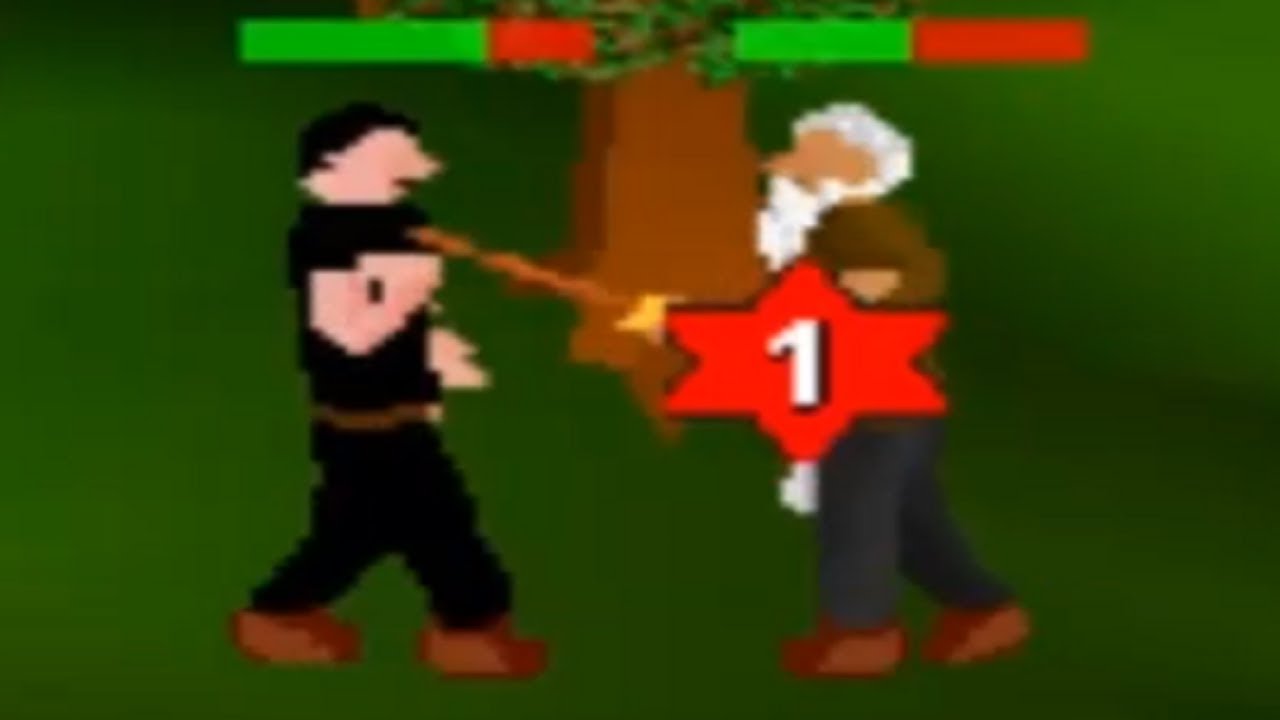
A browser-based MMO that ran on any school computer—no download, pure Java, accessible everywhere. RuneScape let you trade with strangers in Varrock, cut yews, dodge scams, and explore the Wilderness, all while technically just looking at homework on another tab.