Timex Indiglo

The button under the covers: that eerie greenish-blue glow that lit the entire watch face at once. Timex Indiglo wasn't just a backlight — it was a gadget inside a watch, and every kid with one pressed it obsessively in the dark.
Timex launched the Indiglo night-light during the 1992 Christmas shopping season, first in its Ironman watch line. The trick was an electroluminescent panel behind the dial: press the button and the entire face flooded with an even, distinctive greenish-blue glow — not a tiny bulb in one corner like older watches, but the whole dial lit at once. The name came from the color indigo, and the effect was almost theatrical: a utilitarian feature that felt like a light show.
Then the feature found its moment. On February 26, 1993, the World Trade Center was bombed — and as Timex's own company history tells it, an office worker wearing an Indiglo watch used its glow to guide a group of evacuees down 40 dark flights of stairs. The story made the news, sales took off, and Timex's share of the American market rose. A neat gadget had become proof that clever design could matter when it counted, and the story stuck to the product like the brand name itself.
Indiglo spread to about 70% of Timex's watch line, all glowing the same otherworldly blue at the press of a button. Competitors noticed — Casio followed with its own electroluminescent backlight in 1995 — but Indiglo got there first, and it owned the look, the color, and the feel of watching your wrist glow in the dark.
It never went away. You can still buy a Timex with Indiglo, still press the button, still get that same ghost-blue flood across the dial. For the generation that grew up checking the time in dark rooms just to see the light show, that button press was a tiny ritual — a moment of pure novelty, every single time.
Similar items
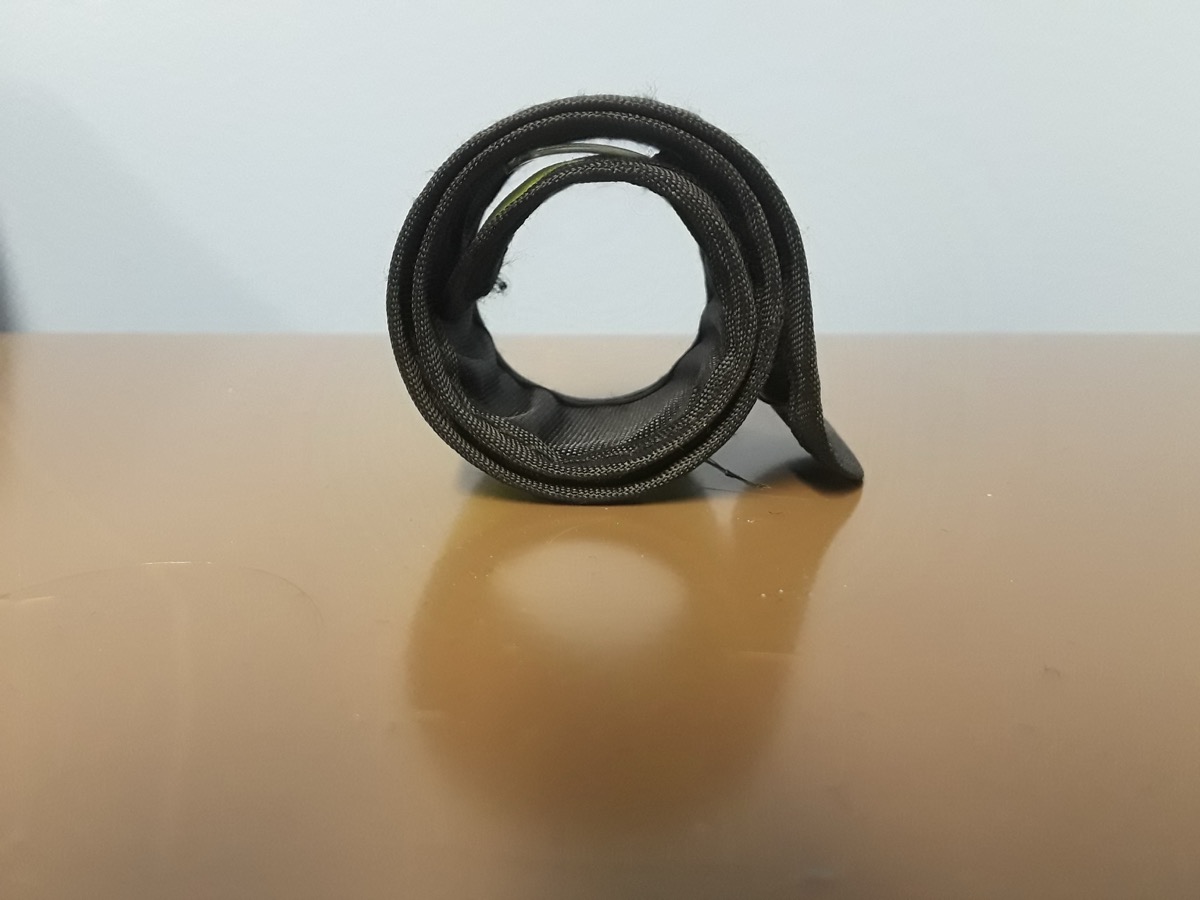
Slap Bracelets
A spring-steel band in a fabric sleeve that snapped flat around your wrist when slapped on — equal parts accessory and weapon. Stuart Anders's invention became a summer craze that vanished just as fast when cheap knockoffs cut kids' wrists and schools banned them outright.

L.A. Gear Light-Up Sneakers
Red lights flashing in your heels with every step — L.A. Gear's light-up sneakers were playground royalty in the '90s. Parents couldn't resist the pitch, and kids couldn't stop stomping.

Dashboard GPS Units
Before your phone knew where you were going, a suction-cupped gadget on the windshield did. Punch in an address, obey the robotic voice, and brace for the deadpan "Recalculating…" every time you missed a turn. It ruled the dashboard for a decade — then evaporated into the phone.
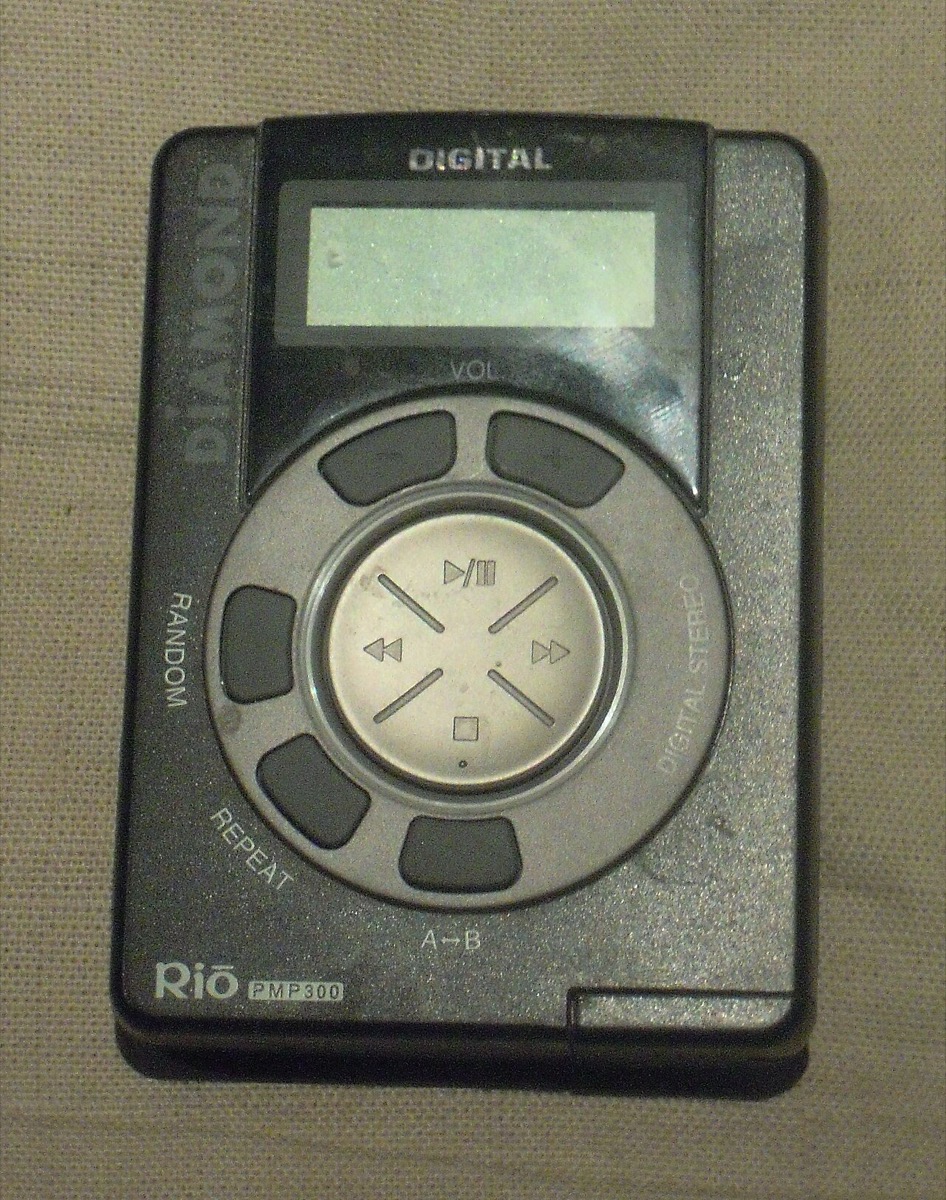
Early MP3 Players
The flash-memory bricks that freed your MP3s from the desktop. Diamond's Rio PMP300, arriving in September 1998 at $200, was the first MP3 player that actually caught on — deck-of-cards sized, running forever on one AA battery, holding maybe eight or ten songs. No moving parts meant no skips, a revelation after a decade of portable CD players. The RIAA sued to kill it; the courts sided with you instead.