The Rainbow Fish

The most beautiful fish in the ocean, covered in real foil-stamped scales that shimmered under the classroom lights — every copy had them, not just fancy editions. Marcus Pfister's 1992 Swiss import sold over 30 million copies in 50 languages, and kids mostly just wanted to touch the sparkle.
Swiss author and illustrator Marcus Pfister created Der Regenbogenfisch in 1992, published by NordSüd Verlag and brought into English as The Rainbow Fish through its North-South imprint, translated by J. Alison James. The premise was disarming: the most spectacular fish in the ocean, envied for his glittering scales, learns to give them away one by one and, in doing so, finds belonging. The moral seemed gentle enough. What made the book unforgettable wasn't the message at all — it was the medium.
The shimmering scales were real foil, stamped into every copy — not a deluxe edition, every copy, everywhere. By Pfister's own account, the foil meant each book cost double the normal price of producing a book. For a children's picture book destined for classrooms and libraries, that was a startling creative commitment, and it paid off in the only currency that matters at story time: kids crowded in to run a finger over the glittering scales under the fluorescent lights. The book has since sold over 30 million copies and been released in 50 languages.
Somewhere along the way, a genuine schism formed among the adults. Admirers read the book as a parable of generosity — beauty matters less than community. Critics offered a darker reading: the hero is only accepted after surrendering pieces of himself, the message peer pressure wrapped in pastel watercolor. The debate has never died; it resurfaces perennially, sincere on both sides, a generational Rorschach test disguised as a bedtime story.
The Rainbow Fish traveled beyond print — an animated TV series based on the character reached American kids on HBO Family at the turn of the millennium — but the memory that stuck was the foil: the kid's hand reaching across the story-time circle, the glitter catching the light, the one page everyone wanted to touch.
Similar items

The Very Hungry Caterpillar
The die-cut classic where you poked your finger through the holes a caterpillar ate in the pages. Eric Carle's 1969 collage masterpiece was already decades old by the 90s, but that's when it was simply everywhere childhood was — classroom shelves, library carts, butterfly units — capped by a 1993 animated adaptation that landed on American VHS in 1995.

Scholastic Book Fairs
The ritual: your school gym transforms overnight into a pop-up bookstore of rolling display cases, and you wander the aisles with a wish list and a budget. Scholastic Book Fairs dominated the 90s market, though what kids actually bought — glittery gel pens, novelty pencils, poster books — often had nothing to do with the Goosebumps stacks they wandered past.
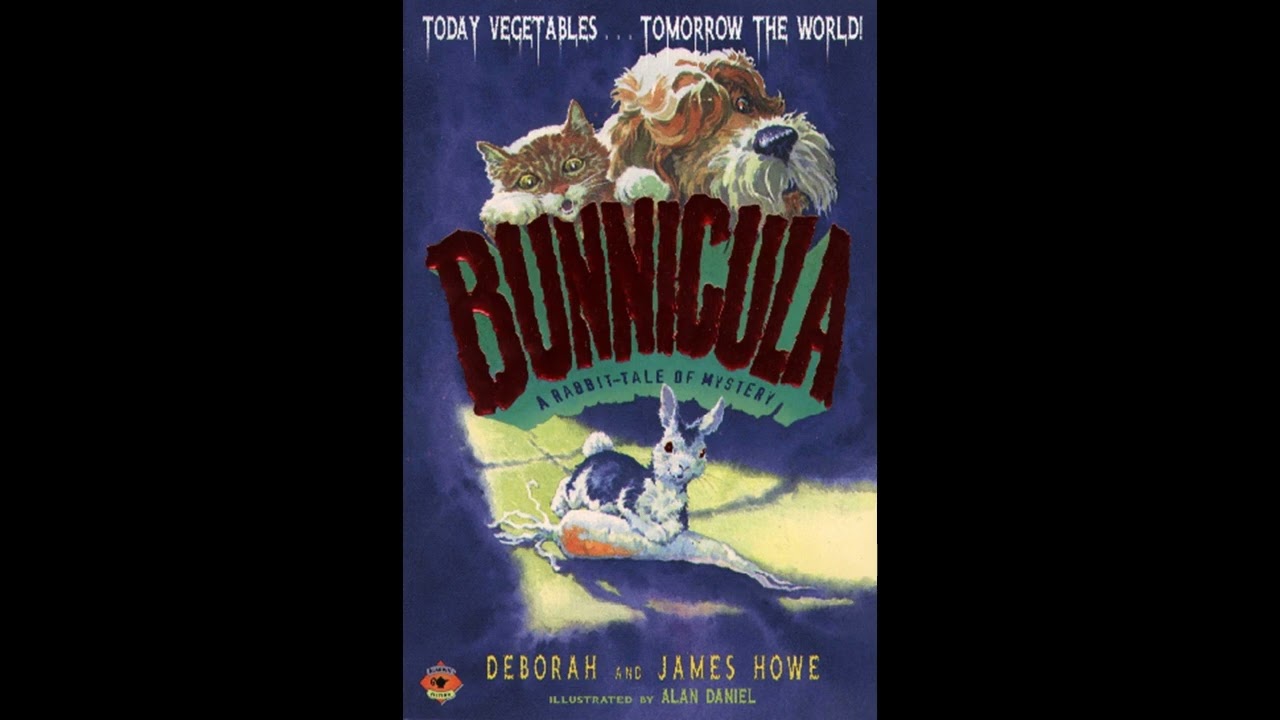
Bunnicula
The family dog and cat are convinced the new rabbit is a vampire — one that drains the juice out of vegetables rather than blood. A 1979 chapter book, narrated by the dog, that outlived its own decade and kept turning up in classrooms long after.
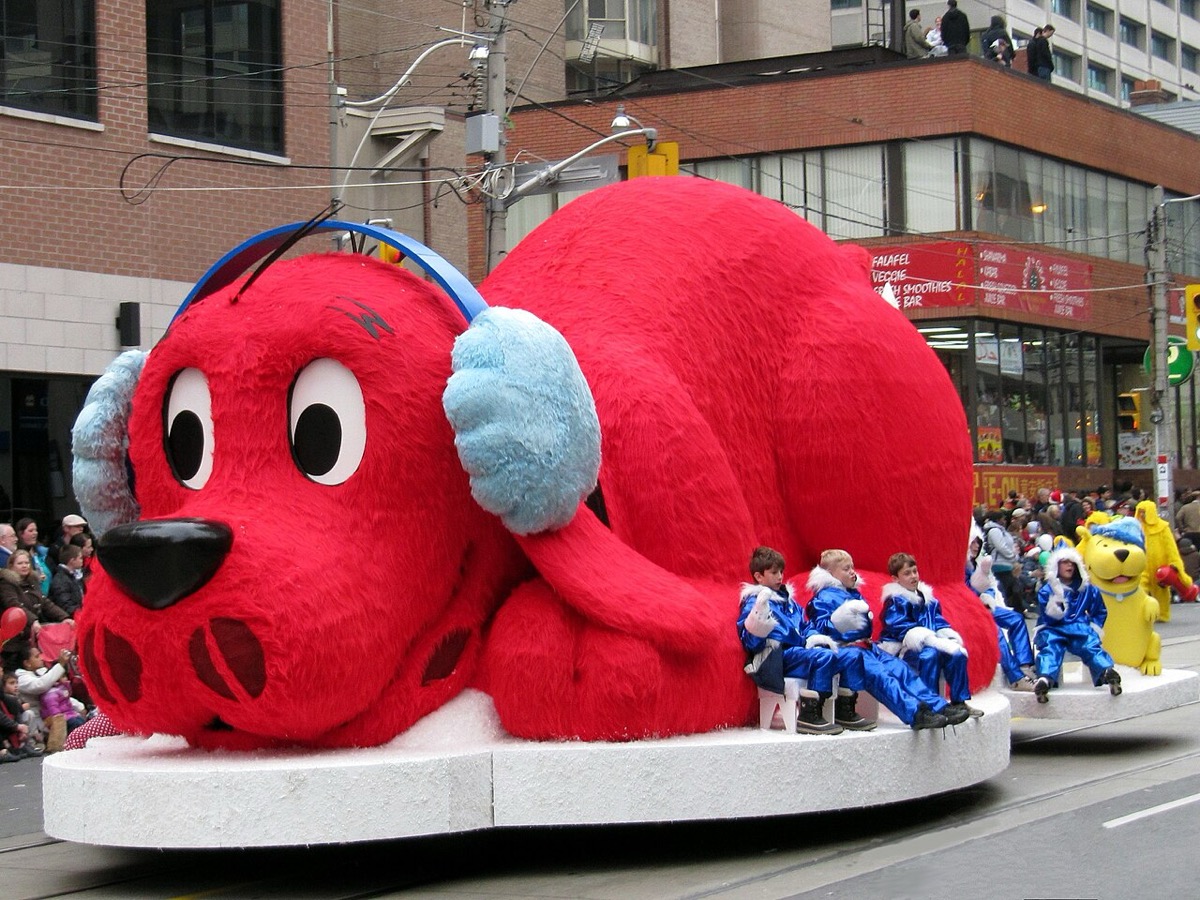
Clifford the Big Red Dog
Norman Bridwell's enormous red dog and Emily Elizabeth, the girl who loved him — a 1963 picture book that Scholastic never stopped handing to schoolchildren, and whose star became the company's official mascot. He was very nearly named Tiny.