The Very Hungry Caterpillar

The die-cut classic where you poked your finger through the holes a caterpillar ate in the pages. Eric Carle's 1969 collage masterpiece was already decades old by the 90s, but that's when it was simply everywhere childhood was — classroom shelves, library carts, butterfly units — capped by a 1993 animated adaptation that landed on American VHS in 1995.
In 1969, Eric Carle was playing with a hole punch in his studio when the idea struck: a creature that eats its way through the actual pages of a book. His editor added the crucial note — a caterpillar would make a more likable protagonist than the bookworm he'd first imagined. So The Very Hungry Caterpillar was born, and went on to become one of the most-read children's books in the world.
The genius was its tactility. Carle's hand-cut collage illustrations gave every page texture, but the die-cut holes — real holes, punched where the caterpillar 'ate' through — were the magic. Your finger became the caterpillar, and whole story-time circles recited the food list together like an incantation. When you reached the final spread and the enormous butterfly opened across the full width of the book, it felt like witnessing transformation itself.
By the 1990s the book had woven itself into the fabric of childhood: worn copies on classroom shelves, story time at the library, pediatricians' waiting rooms, butterfly-unit science lessons. Then the 90s gave it new screens — the Illuminated Film Company adapted it for British television, first airing September 1, 1993, and on August 5, 1995, Disney released the US VHS that rolled into American classrooms on the library cart year after year, entire classes watching the caterpillar's transformation together.
The numbers have grown absurd — more than 55 million copies sold, translations in over 70 languages, and the publisher's claim that a copy sells every 30 seconds — but the statistics miss what mattered to the kids: the book lived in your hands. You poked the holes, you said the words, and the fat little caterpillar became a butterfly every single time.
Similar items

The Rainbow Fish
The most beautiful fish in the ocean, covered in real foil-stamped scales that shimmered under the classroom lights — every copy had them, not just fancy editions. Marcus Pfister's 1992 Swiss import sold over 30 million copies in 50 languages, and kids mostly just wanted to touch the sparkle.

Scholastic Book Club Order Forms
The monthly newsprint order form that landed on your desk — a tabloid catalog of paperbacks you circled with a stubby pencil, then begged your parents to fund. Ordering meant handing your teacher the torn-off form and some crumpled bills; the payoff was delivery day, when a stack of new books arrived with your name on it.
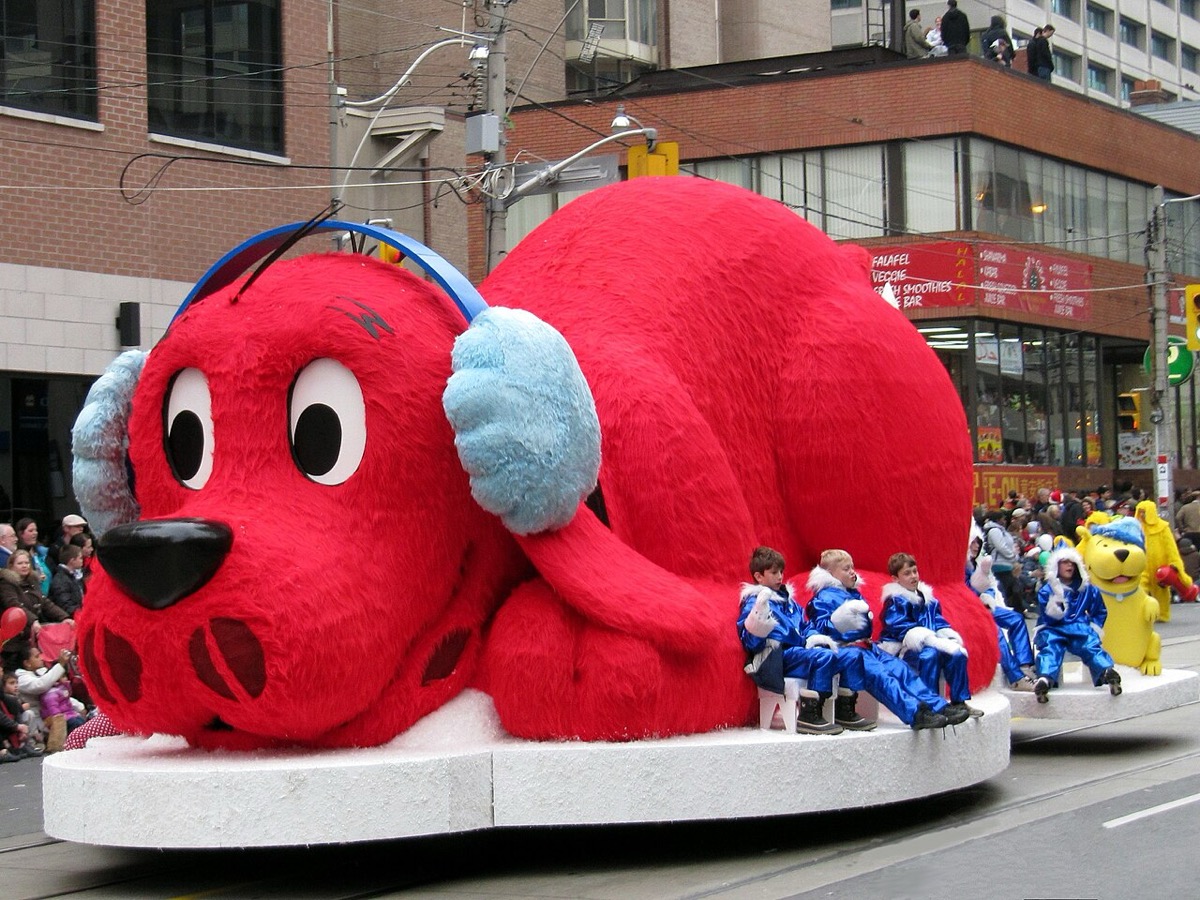
Clifford the Big Red Dog
Norman Bridwell's enormous red dog and Emily Elizabeth, the girl who loved him — a 1963 picture book that Scholastic never stopped handing to schoolchildren, and whose star became the company's official mascot. He was very nearly named Tiny.

Horrible Harry
Harry loves horrible things — slime, snakes, gross schemes — and his loyal best friend Doug narrates the chaos from Miss Mackle's class in Room 2B. Suzy Kline's chapter books were Scholastic order-form gold, and if you remember it as Room 3B, you're not wrong: the class moves up to third grade in the later books.