"The Humpty Dance" — Digital Underground

A rapper in a fake nose and Groucho glasses announcing he's about to ruin the image and the style that you're used to, then telling the whole room to do a dance that anyone can do. "The Humpty Dance" hit in early 1990 and its drum loop has been borrowed across hip-hop ever since.
Digital Underground came out of Oakland, formed in 1987 by Gregory "Shock G" Jacobs with radio DJ Kenny-K and Chopmaster J, and built on the funk of Parliament-Funkadelic when most of rap was going hard. Their first single and video, "Doowutchyalike" in 1989, introduced a character named Humpty Hump: a buffoon in loud clothes, oversized glasses and a big prosthetic nose, played by Shock G himself. The group even gave him a biography, as Edward Ellington Humphrey III, ex-singer of Smooth Eddie and the Humpers, who took up rapping after burning his nose in a deep-fryer accident.
"The Humpty Dance" was Humpty's second outing, released in January 1990 as the second single from the debut album Sex Packets, which Tommy Boy put out that year and which went platinum. Over a one-bar drum loop from Sly and the Family Stone's "Sing a Simple Song," a Parliament handclap and a chorus sample from Parliament's "Let's Play House," Humpty bragged about his prowess despite his looks, name-checked a Burger King bathroom, and mocked the precision choreography of MC Hammer's videos with a dance that was "loose" and "easy." It reached number 11 on the Hot 100, number seven on the R&B chart and number one on Billboard's rap chart, and lost the 1990 MTV award for best rap video to "U Can't Touch This."
The drum track became a building block. It sits under Public Enemy's "Can't Truss It," LL Cool J's "Mama Said Knock You Out," TLC's "What About Your Friends" and the Spice Girls' "If U Can't Dance," among dozens of documented uses, and Digital Underground answered with a track called "The Humpty Dance Awards" thanking everyone who borrowed it. The group also launched a young dancer and hype man named Tupac Shakur. Rolling Stone placed the song at 241 on its 2021 list of the 500 greatest songs. Shock G died in April 2021 at 57; the nose and glasses remain one of hip-hop's great disguises.
Similar items
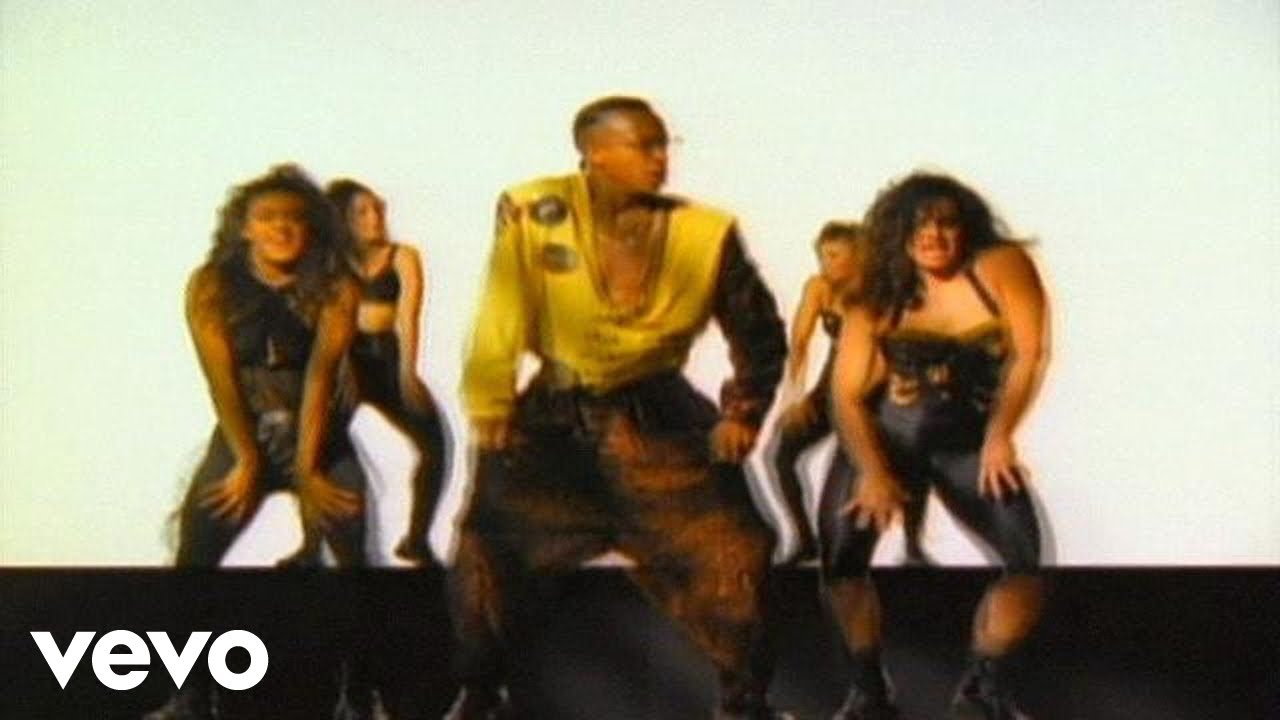
MC Hammer
Parachute pants, nonstop choreography, and a chart run nobody could touch: in 1990 MC Hammer turned Oakland showmanship into the first diamond-certified hip-hop album and a one-man merchandise empire — dolls, lunchboxes, his own Saturday-morning cartoon. By 1996 the fortune was gone, but the silhouette of those pants is stamped on the decade forever.

Tupac Shakur
Poet, movie star, and the most magnetic voice hip-hop ever produced — Tupac Shakur went from Digital Underground backup dancer to the center of the rap universe in five furious years. Then a Las Vegas drive-by ended his life at 25, and the legend only grew.

Dr. Dre — The Chronic
Dr. Dre's solo debut, released December 15, 1992, defined G-funk—whining synth leads over deep bass and laid-back drawl—and introduced Snoop Doggy Dogg to the world as the breakout star. The Chronic went multi-platinum, won a Grammy, hit #2 on the Hot 100 with 'Nuthin' but a 'G' Thang,' and reshaped the sound of hip-hop radio for the rest of the decade.
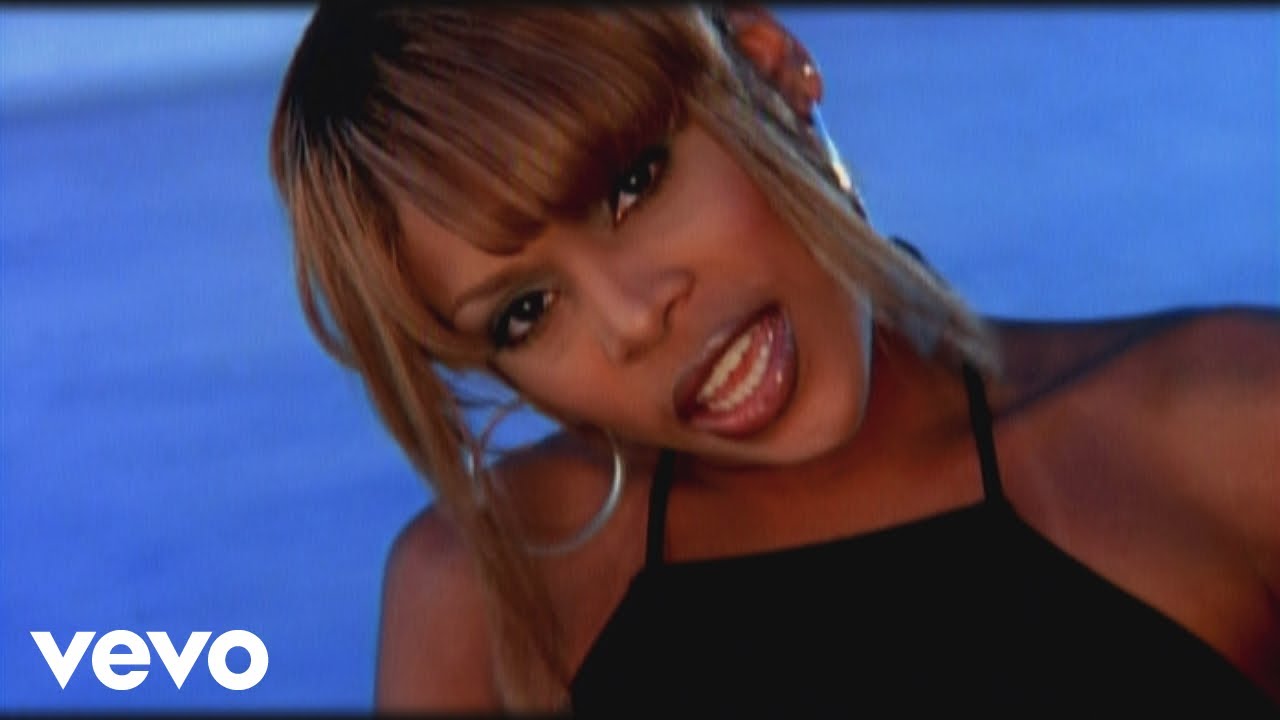
TLC
The best-selling American girl group since the Supremes. T-Boz, Left Eye, and Chilli fused hip-hop, R&B, and a playful safe-sex message into era-defining hits — "Waterfalls," "No Scrubs," "Creep" — in baggy streetwear that a generation copied.