The Baby-Sitters Club

The Baby-Sitters Club was the series you grabbed by the stack at the book fair — one wasn't enough, you needed the whole shelf about Kristy and Mary Anne and Claudia running a babysitting business out of a Connecticut suburb. More than 190 million copies sold. That's not an exaggeration; that's a cultural fact.
Ann M. Martin created The Baby-Sitters Club in 1986 for Scholastic, beginning one of publishing's biggest phenomena. The origin story is sharp: editor Jean Feiwel noticed a novel called Katie's Babysitting Job performing well and saw a market. Scholastic brought the idea to Martin, who invented the world: the fictional suburb of Stoneybrook, Connecticut, and a club of friends running a babysitting service — Kristy Thomas as founder and president (the idea sparked when her mother couldn't find a sitter for Kristy's younger brother), shy secretary Mary Anne Spier (Martin based her on herself), artistic vice-president Claudia Kishi (who hid Nancy Drew books and candy all over her room), and treasurer Stacey McGill, a sophisticated New Yorker managing her Type 1 diabetes.
The series was planned as a short run; it took off instead. By the eleventh novel, first printings had hit 100,000 copies. Martin wrote an estimated 60 to 80 of the books herself; later titles went to ghostwriters including Peter Lerangis. Spin-offs followed — the Baby-Sitters Little Sister series for younger readers, Super Specials, and Mysteries — and new sitters joined the roster: Dawn Schafer, Mallory Pike, Jessi Ramsey. By the time publishing wrapped in 2000, the main series had reached 213 novels and the franchise had sold more than 190 million copies.
The adaptations kept coming: an HBO series in 1990, a theatrical film in 1995, acclaimed graphic-novel adaptations by Raina Telgemeier years later, and a Netflix series in 2020. But the paperback rack was the real legacy — those colorful spines you knew by heart, the books traded between friends, a series that understood what mattered to its readers and never talked down to them.
Similar items

Scholastic Book Fairs
The ritual: your school gym transforms overnight into a pop-up bookstore of rolling display cases, and you wander the aisles with a wish list and a budget. Scholastic Book Fairs dominated the 90s market, though what kids actually bought — glittery gel pens, novelty pencils, poster books — often had nothing to do with the Goosebumps stacks they wandered past.

Goosebumps
R.L. Stine's mass-produced horror series for kids, where every book's drippy cover could stop your heart in the school library. Goosebumps sold roughly 4 million copies a month at its mid-90s peak and by 1996 accounted for nearly 15% of Scholastic's entire revenue.
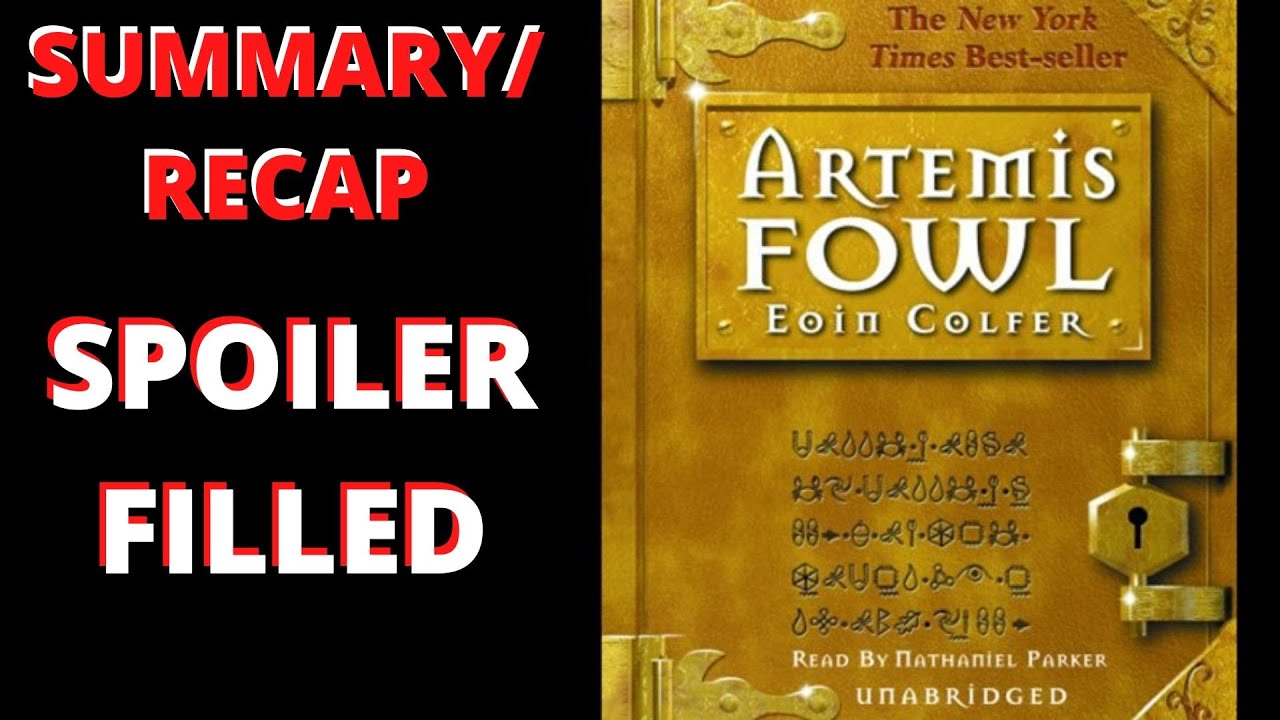
Artemis Fowl
A twelve-year-old criminal mastermind kidnaps a fairy cop and holds her for a ransom of fairy gold. Eoin Colfer's "Die Hard with fairies" gave 2000s bookworms their favorite villain-protagonist — and the coolest cover in the book fair.

Diary of a Wimpy Kid
Middle-schooler Greg Heffley's hand-lettered diary, drawn in stick figures, became the book that made reluctant readers into readers. Every school library's most dog-eared spine.