Taking Back Sunday
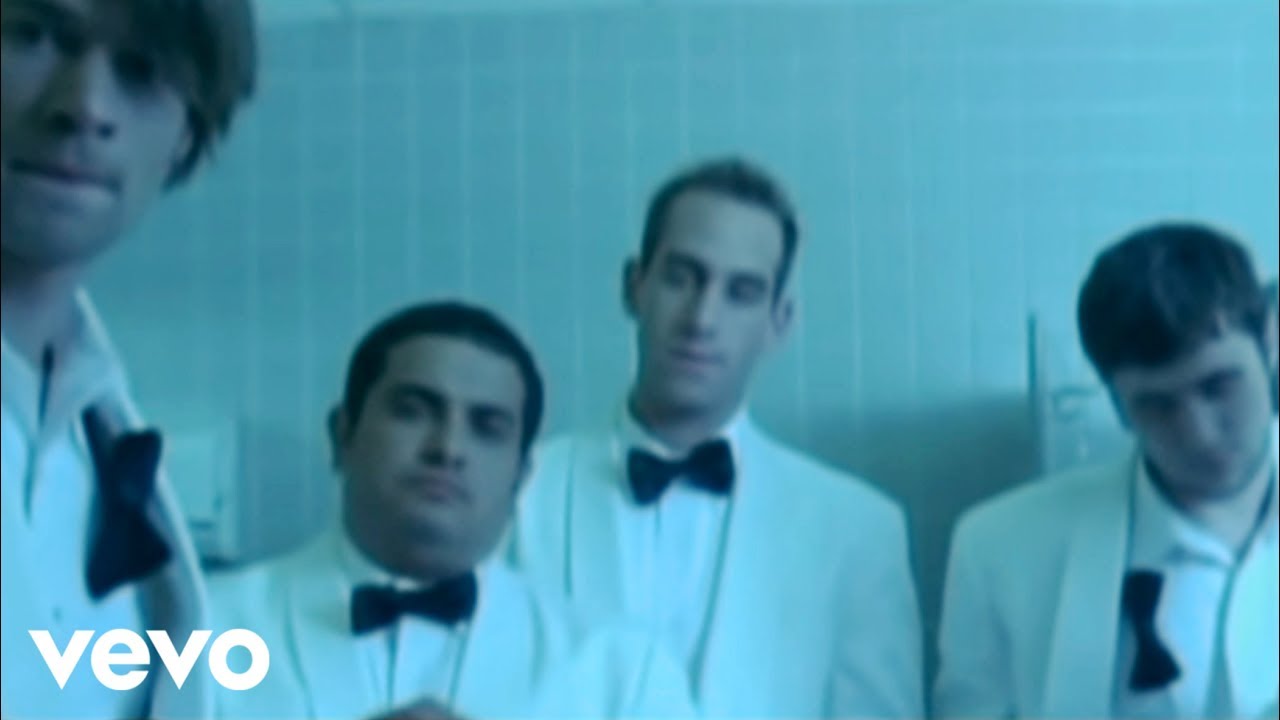
Two singers shouting over each other and "Cute Without the 'E'" blasting from every car in the high-school lot. The Long Island band at the center of the early-2000s emo boom, feuds, walkouts and all.
Taking Back Sunday was founded in Amityville, New York, in November 1999 by guitarist Eddie Reyes and Jesse Lacey, taking its name from a song by the Long Island band The Waiting Process. Lacey left after a personal incident with guitarist John Nolan and formed Brand New a year later, which, as Alternative Press put it, "spawned one of the most public intra-band rivalries in emo history"; Nolan wrote "There's No 'I' in Team" about it before the two reconciled. Adam Lazzara moved up from North Carolina to fill in on bass and in December 2000 became the singer, driving around in Reyes's Windstar singing along to the EP "just to make myself actually do it." With Shaun Cooper on bass and Mark O'Connell on drums, they signed to Victory Records in December 2001.
Tell All Your Friends was recorded in two weeks for $10,000 with producer Sal Villanueva and released in March 2002. It sold 2,000 copies its first week and charted at number 183, then kept selling, going gold, reaching 790,000 copies by 2009 and platinum in 2023, and landing on best-emo-album lists from Alternative Press, NME and Rolling Stone. "Cute Without the 'E' (Cut from the Team)," which gave the album its title, grew from drummer O'Connell toying with Lazzara's childhood classical guitar at his father's house and a friend's habit of saying "cut from the team"; the Fight Club-inspired video came out at the end of 2002, and the song went to radio in February 2003.
The band nearly ended that spring. Lazzara, drinking heavily, cheated on Nolan's sister Michelle; two days after the Skate & Surf festival in April 2003 Nolan and Cooper quit, publicly citing exhaustion, and formed Straylight Run. Fred Mascherino and Matt Rubano replaced them, and Where You Want to Be, released July 27, 2004, debuted at number three with about 163,000 copies, still Victory's highest chart peak, with Tom DeLonge directing a video and Blink-182 taking them on tour. The band signed to Warner Bros. in June 2005, and Louder Now, released April 25, 2006, debuted at number two on the strength of "MakeDamnSure" and topped Kerrang!'s album-of-the-year poll.
Mascherino left after a 2007 Linkin Park tour, and Nolan and Cooper came back in 2010. AllMusic sums them up as "one of the more visible groups of the early-2000s emo boom," which undersells how many people learned to scream-sing in a basement because of them.
Similar items
Emo / Scene-Kid Wave
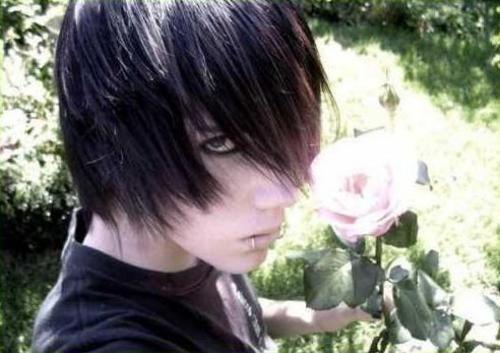
The mid-to-late-2000s youth subculture built around emo and pop-punk bands like My Chemical Romance, Fall Out Boy, Panic! at the Disco, and Dashboard Confessional. The look: long side-swept bangs over one eye, black skinny jeans, band tees, studded belts, thick eyeliner, Converse, and dyed or straightened hair. It lived on MySpace through dramatic high-angle selfies and Top 8 drama, shaping a generation's teenage aesthetic.

Hawthorne Heights
"Ohio Is for Lovers," a screamo song about being homesick and, in one critic's words, cutting your wrists, was the one a lot of 15-year-olds quoted in their away messages in 2004. The Dayton band behind it became the screamo gateway drug for a whole generation of scene kids.

Dashboard Confessional
One guy, one acoustic guitar, and a room full of teenagers singing "Screaming Infidelities" louder than he could. Chris Carrabba was the poster boy of early-2000s emo, and the sing-along at a Dashboard show was the whole point.
Fall Out Boy
Pete Wentz's swoopy black fringe, Patrick Stump's soaring voice, and song titles that ran on forever. "Sugar, We're Goin Down" ruled TRL and Warped Tour, making Fall Out Boy the pop-punk face of the MySpace era.