Snakes on a Plane

Samuel L. Jackson took the job because of the title, the internet spent a year turning the title into a running joke, and New Line reshot the movie to add the line the fans had already written for him. Snakes on a Plane (August 2006) was called perhaps the most internet-hyped film of all time, then opened to $15 million, a gap analysts still call the Snakes on a Plane effect.
The script had been around since 1992, when David Dalessandro, a University of Pittsburgh administrator, read about brown tree snakes stowing away in cargo planes during World War II and wrote a thriller called Venom. It was rejected by more than 30 studios before New Line took it. The premise is exactly the title: FBI agent Neville Flynn (Jackson) escorts a murder witness from Hawaii on a 747, a crime boss hides a crate of venomous snakes in the hold, and a pheromone sprayed on the passengers' leis turns them aggressive at altitude. Ronny Yu was set to direct and left; David R. Ellis, who had directed Final Destination 2, took over. Julianna Margulies and Kenan Thompson shared the cabin with more than 450 real snakes of 30 species, which Jackson's contract kept at least 25 feet away from him.
At some point the studio retitled it Pacific Air Flight 121, and Jackson objected in public in August 2005: "We're totally changing that back. That's the only reason I took the job: I read the title." That same month screenwriter Josh Friedman blogged about the project, and the internet took it from there, with fan trailers, songs, parodies, fan fiction, and spinoff titles like Cats on a Plane. New Line officially restored the title on March 2, 2006, and then did something studios do not do: it ordered five days of reshoots to give the fans what they had been joking about, taking the film from PG-13 to R and adding the line everyone already knew, Flynn announcing that he has had it with these snakes on this plane, with two unprintable adjectives attached. A fan-song contest fed the soundtrack, Cobra Starship's "Snakes on a Plane (Bring It)" video ran over the closing credits, and a promotion sent 1.5 million personalized phone calls in Jackson's voice in a single week.
The film premiered at Grauman's Chinese Theatre on August 17, 2006, unscreened for critics, with analysts projecting a $20 to $30 million opening. It made $15.25 million, fell more than 50% the next weekend, and finished with $62 million worldwide on a $33 million budget. The New York Times headline was "After Hype Online, 'Snakes on a Plane' Is Letdown at Box Office," Entertainment Weekly called it an "internet-only phenomenon," and New Line's founder called it a dud. Reviews were actually decent (69% on Rotten Tomatoes), and the TV edit gave it one last gift: "monkey-fighting snakes on this Monday-to-Friday plane."
Similar items
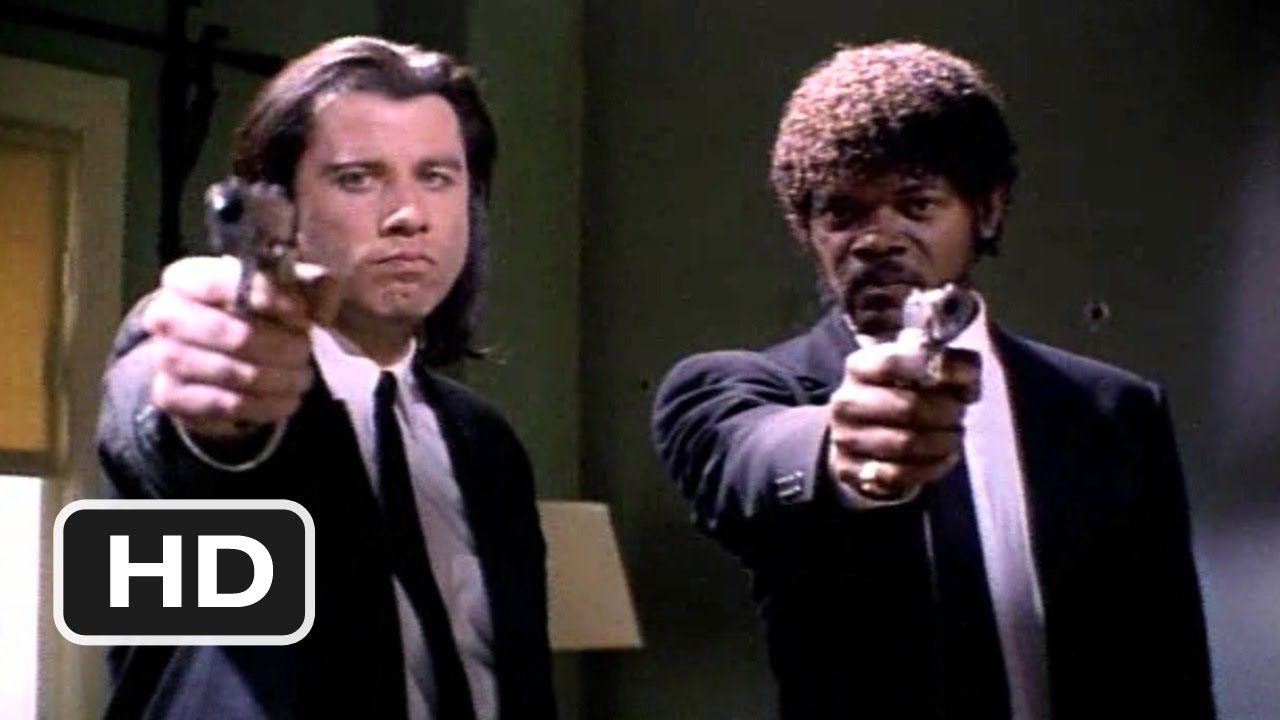
Pulp Fiction
Quentin Tarantino's nonlinear crime epic rewrote the rules of what indie films could be. Released October 1994 with a Palme d'Or win at Cannes, a $200 million global gross, and career resurrections for John Travolta and a breakthrough for Samuel L. Jackson, Pulp Fiction became the defining film of a generation hungry for something different.

MySpace
MySpace launched in August 2003 and became the social network that swallowed the mid-2000s internet — where everyone's first friend was Tom. Top 8 rankings sparked drama, profile songs played on auto-load, and DIY HTML customization meant glitter graphics and autoplay music ruled. Bands broke careers there; it was the most-visited website in the US by 2006.

eBaum's World
The early-2000s comedy and media dump every kid browsed instead of doing homework. Flash cartoons, prank-call soundboards, funny clips, and simple games — all stamped with the site's inescapable watermark, which became the running joke and the scandal at once.

Early YouTube
The video platform that made viral content a daily ritual. YouTube launched in 2005 as low-res, ad-free, and gloriously weird—a space where "Lazy Sunday," "Chocolate Rain," and "Charlie Bit My Finger" became the lingua franca of internet culture.