
Airheads
The stretchy, tangy taffy bar in the loud mylar wrapper — Blue Raspberry stained your tongue, and White Mystery was a gamble by design. Fifty cents of pure lunchbox status.
15 items
The stretchy, tangy taffy bar in the loud mylar wrapper — Blue Raspberry stained your tongue, and White Mystery was a gamble by design. Fifty cents of pure lunchbox status.

The pocket breath spray with the click-and-blast ritual — a slim canister of concentrated mint that delivered instant confidence before any moment that mattered. Born from Swiss pharma giant Ciba's oral-care line, it found American cult status with smokers, daters, and sitcom writers (Seinfeld and Taxi both got jokes out of spraying it in someone's face). By the 1990s it was the pre-date essential; by 1993, some schools were banning it from campuses.
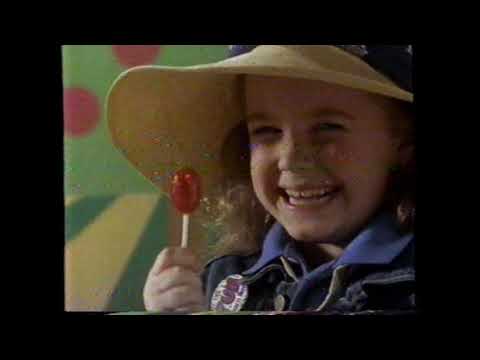
The two-stage candy: a hard sour shell you worked through to reach the bubble gum hiding in the middle. Sour Apple if you were smart, Blue Razz if you were right. The teacher's candy jar and the corner store were never without them.

The soft square chunk of bubble gum in the loud neon wrapper — huge flavor for about ten glorious minutes, then you reached for another piece. Launched in 1977 as American Chicle's answer to Bubble Yum, it spent the 90s as corner-store royalty with a flavor list that read like a slushie machine.
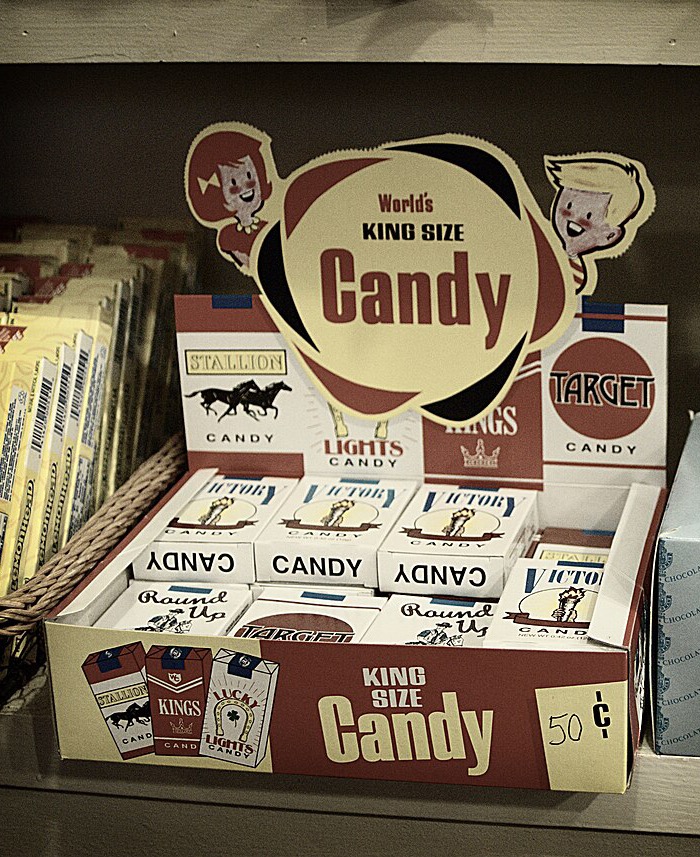
Chalky sugar sticks with a painted red tip, sold in cigarette-style packs straight to kids at the corner store — plus bubble-gum versions whose paper wrappers let you puff out powdered-sugar "smoke." The most "you had to be there" candy of the entire era.
![Video thumbnail — Groan tube sfx [1 Hour]](https://i.ytimg.com/vi/VxoK96OLUpM/hqdefault.jpg)
The neon plastic tube that let out a long, mournful groan every time you tipped it over. A birthday goody-bag and pizza-party staple — flip it end over end and the sound came from a weighted reed sliding down inside.
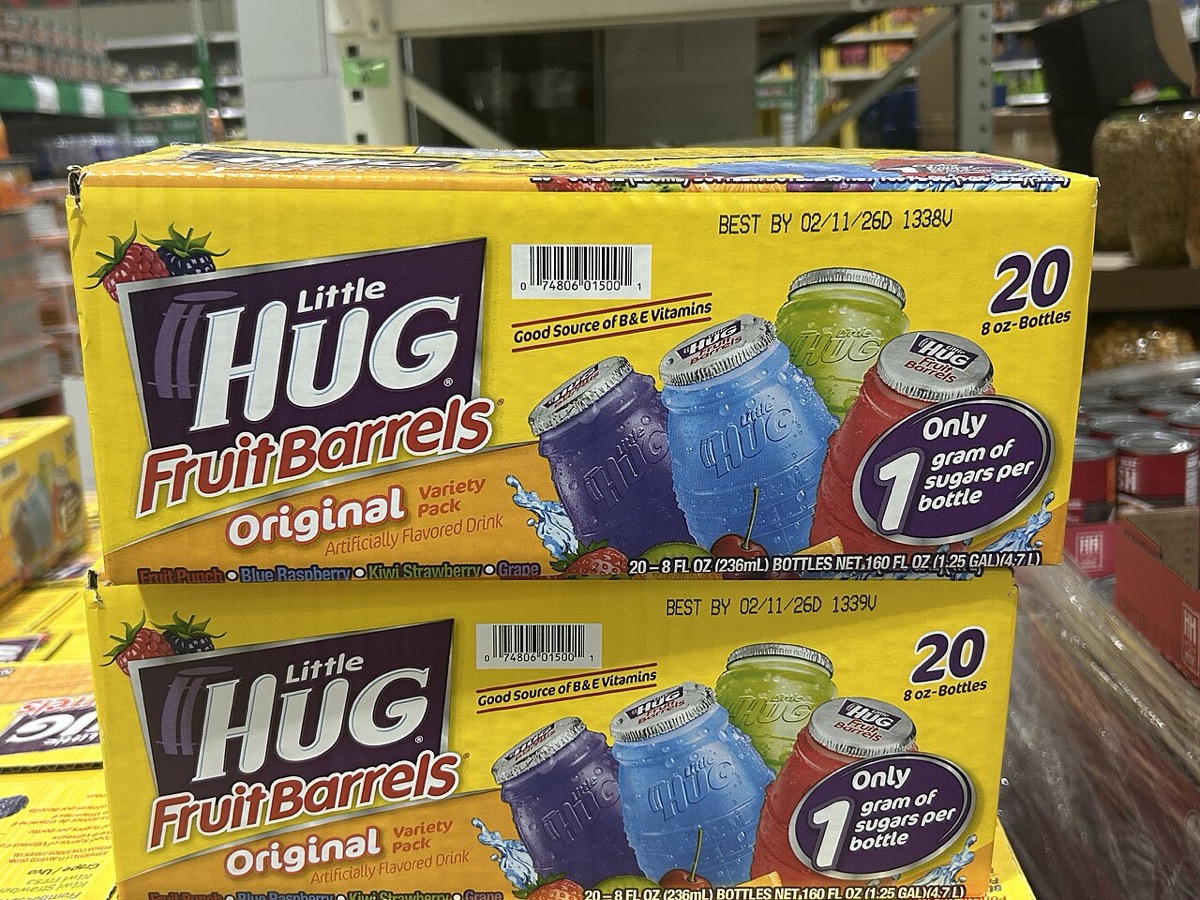
The little plastic barrel with the foil top you stabbed with whatever was handy, full of liquid that was some color more than it was some flavor. Little Hugs were stacked by the case at every corner store and cooler, cost pocket change, and tasted like summer vacation.
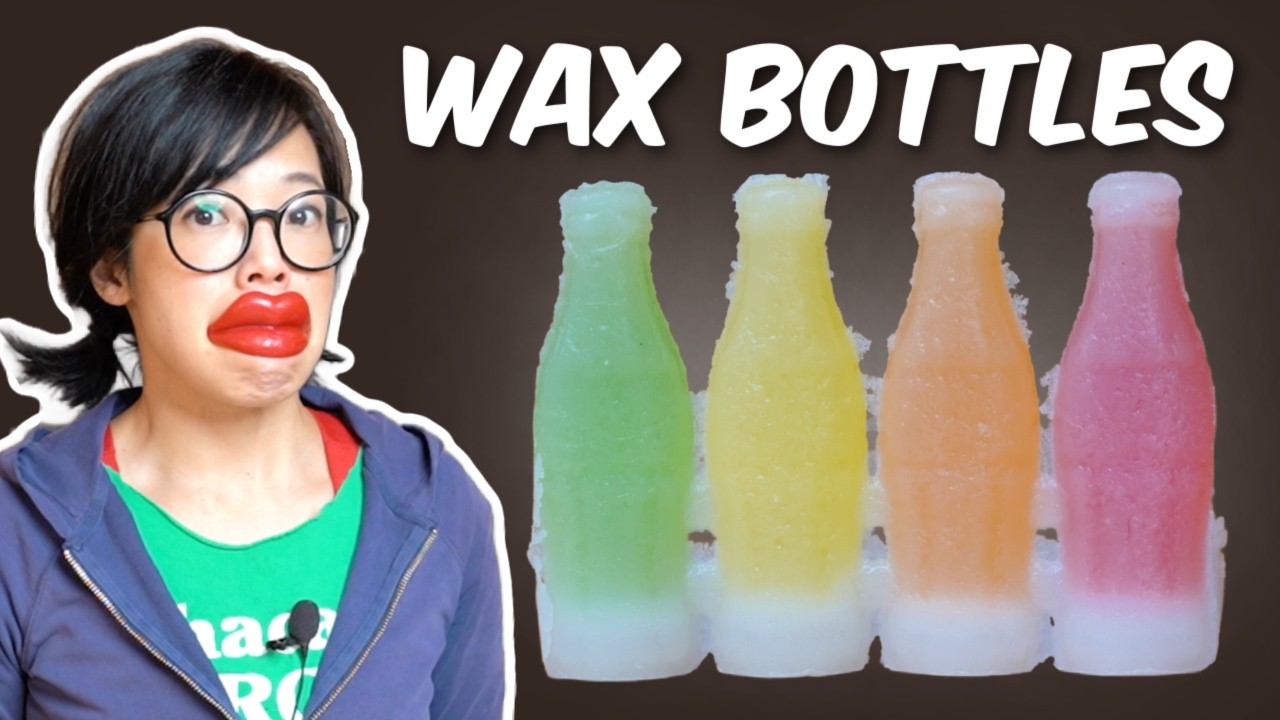
Tiny wax bottles filled with a swallow of sweet, fruit-flavored syrup. You bit the top off, drank the little sip inside, and then — the part that made no sense and everyone did anyway — chewed the leftover wax like gum.
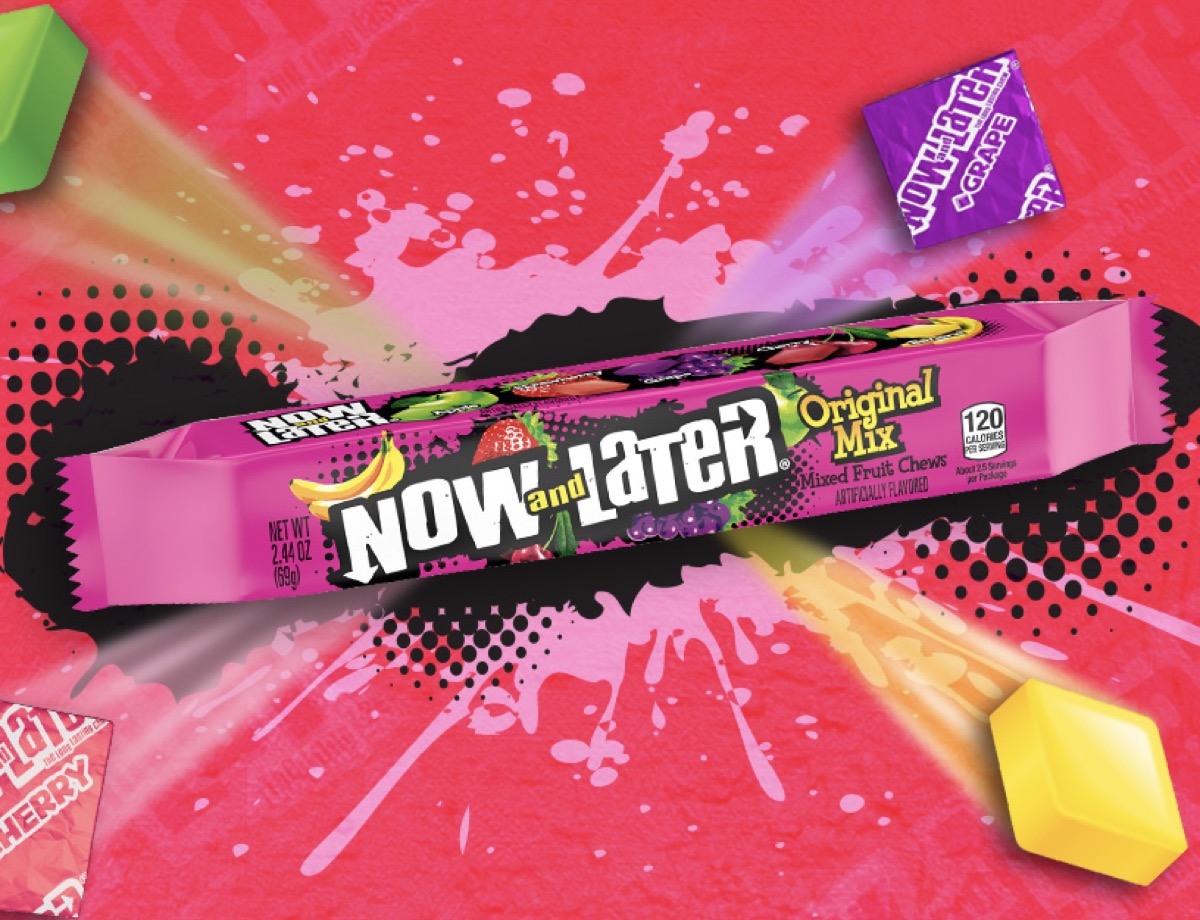
The corner-store fruit squares that started out jaw-breakingly stiff and only gave in after honest work — think Starburst, but way harder. The name was the sales pitch: eat some now, save some for later. Whether any kid ever actually saved some is another matter.

The giant faceted candy gem you wore on your finger all recess — jewelry you were allowed to lick. Invented to break one kid's thumb-sucking habit, it became the engagement ring of every 90s playground.
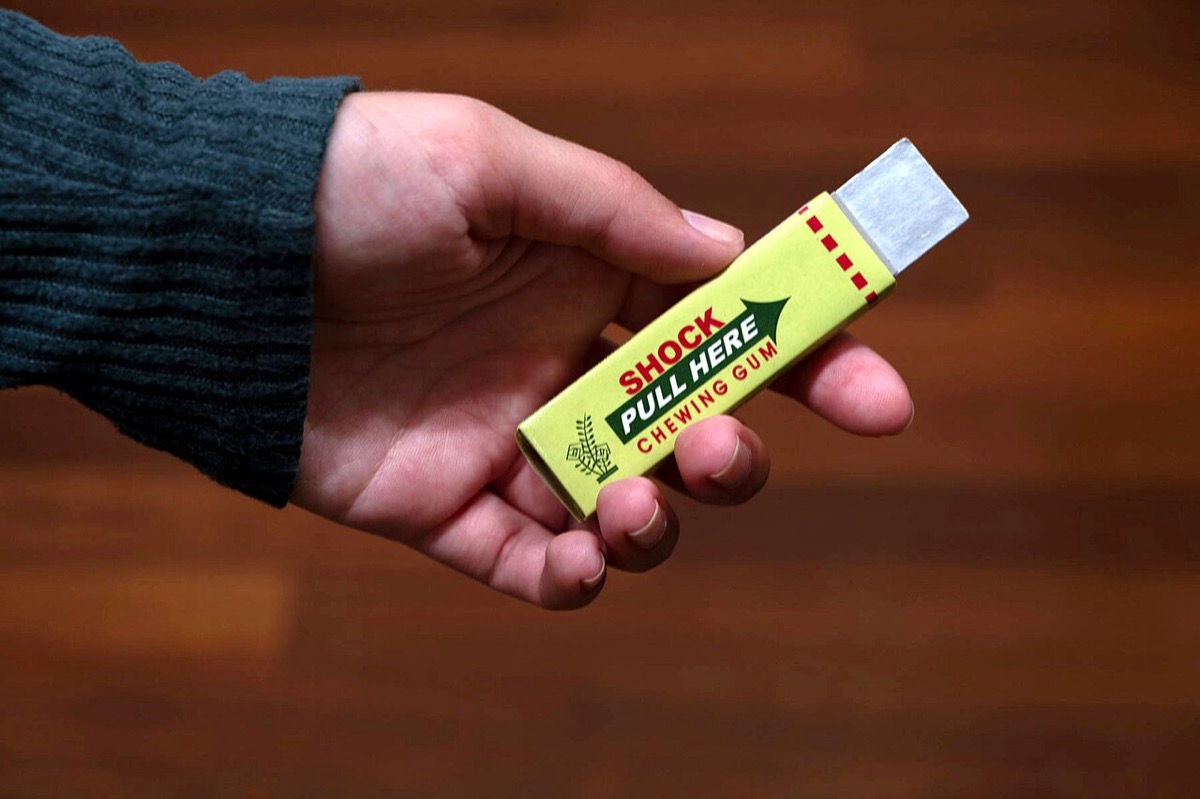
You offer a friend a stick of gum; they pull it, and a spring-loaded bar snaps down on their finger like a tiny mousetrap. The joke-shop classic came in two flavors of betrayal — the snap, and the battery-powered shock version that delivered a genuine little zap.

The tart candy discs that came rattling out of every bowling-alley and skating-rink vending machine in the 90s — a roll of fruit-shelled dots that outlasted a few games or a few laps around the rink. A mid-1960s invention that a later generation claimed completely.
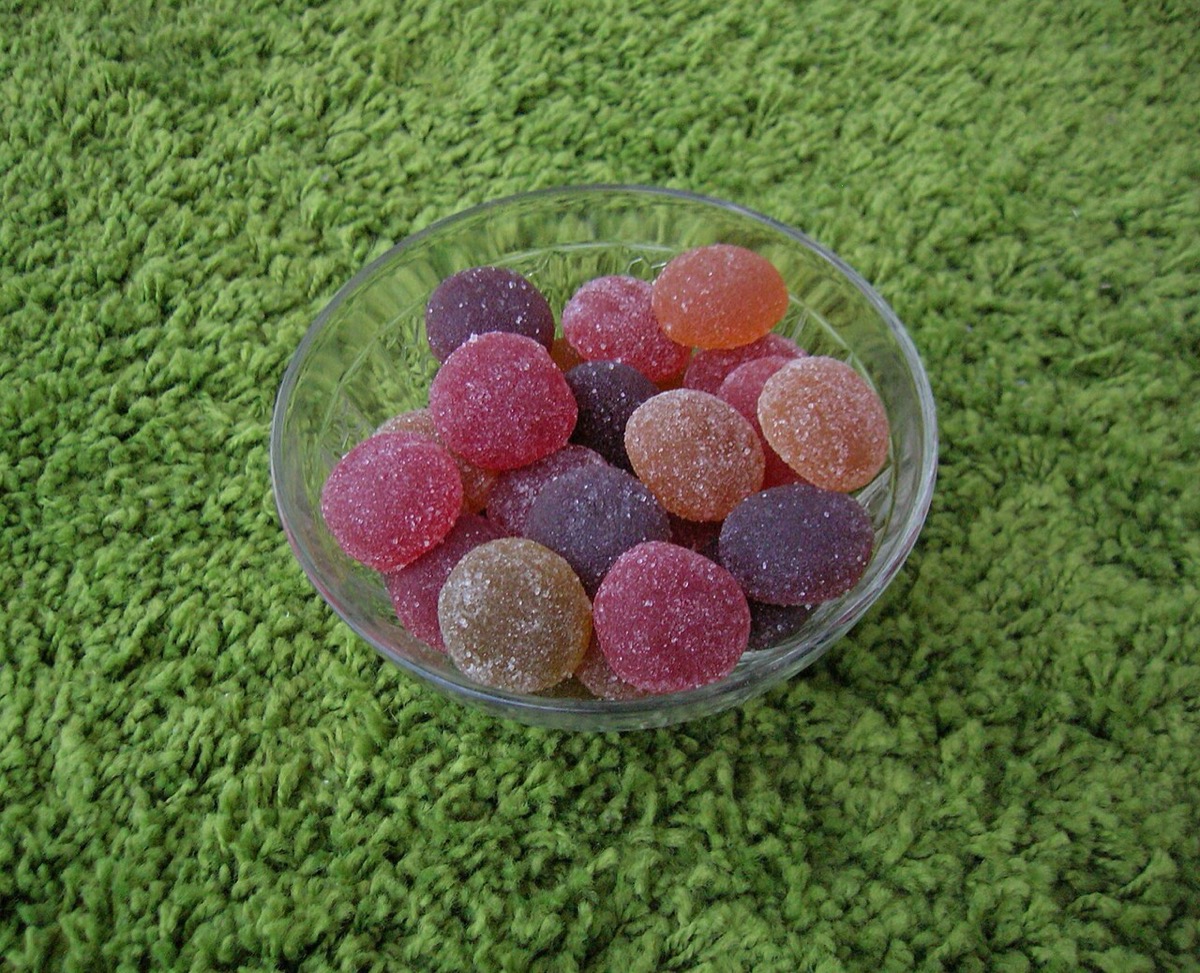
Sugar-dusted pectin jelly squares in individual wax-paper twists — lemon, orange, grapefruit, raspberry, lime — equally at home in a deli-counter jar, a grandparent's candy dish, and a synagogue. The recipe descends from Christopher's Fruit Gems, the signature candy of Southern California's oldest candy company. Thrown at bar and bat mitzvahs for decades: soft enough not to injure, festive enough to 'sweeten' the occasion, and a genuinely airborne childhood memory for a whole community.

Bubble gum whose entire point was dyeing your tongue neon — you chewed, you stuck your tongue out at your friends, that was the product. It came loose as gumballs and, most memorably, in a miniature paint can promising to paint your mouth "with a splash of color."

Wrigley's blue-wrapped wintergreen stick gum, launched in 1994 and pitched entirely on the promise of icy-cold, long-lasting breath. The foil sticks were a fixture of the gas-station and grocery-checkout racks all decade — the cool-blue pack sitting right beside Wrigley's fiery-red Big Red.