Stick-On Earrings
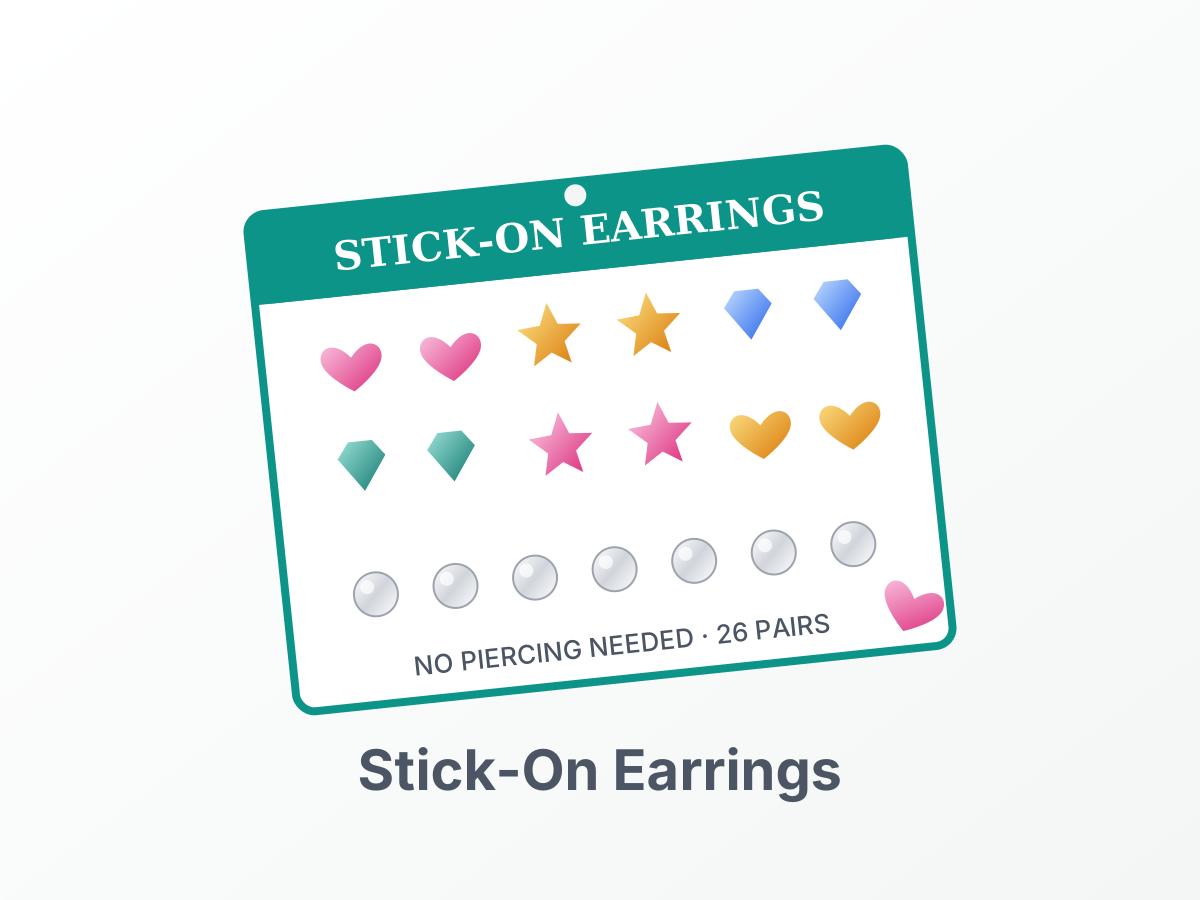
Sheets of glittery, jewel-shaped stickers you pressed onto your earlobes when you were too young for piercing, which looked like real studs for about ten minutes before one fell off in your hair. They date to the sticker craze of the mid-80s, but every 90s girl owned a sheet.
Stick-on earrings were a child of the 80s sticker boom, when puffy, glittery and scratch-and-sniff stickers were currency in every elementary school. One of the earliest dated records of the product is a trademark filing: a small company called Starlady Enterprises, of Kirkland, Washington, registered the name Ear Things for "adhesive-backed decorative stickers for use as earrings," claiming first use in December 1983 and sales from April 1984, and followed it with a Starlady mark in 1986. No single maker gets credit for inventing them, and by the end of the decade the sheets were a generic drugstore and toy-aisle item made by whoever wanted to make them.
The appeal was obvious to any seven-year-old. Pierced ears were a milestone your parents controlled, usually with a promise about a certain birthday, and stick-on earrings were a loophole: a sheet of tiny foil hearts, stars, gems and rhinestone-look studs, peeled off one at a time and pressed onto the lobe. They came in party-favor bags and Christmas stockings, with play makeup kits, and from the same accessory stores where the real piercing eventually happened. A sheet held dozens, because you needed dozens.
That was the joke everyone remembers. The adhesive barely survived a shrug, so a pair went on in the morning and one was gone by recess, leaving a single sticky earlobe and a faint feeling of having been cheated. Girls learned to press them on with a licked fingertip, or to reapply them from the reserve stash in a jacket pocket, and the sheets ended up stuck to bedroom mirrors and notebook covers instead. Stick-on earrings are still sold for kids and for dress-up, and the nostalgia posts about them all make the same complaint: why call them stick-on if they never stuck on.
Similar items
Claire's
The ear-piercing rite of passage: the window chair, the piercing gun, picking starter studs while your friends pressed against the glass. Claire's claims more ear piercings than any other retailer — over 100 million — and for generations of tween girls it was the reason the mall existed: bins of cheap earrings, chokers, butterfly clips, and best-friend necklaces made to be split in half.

Lisa Frank
Neon-rainbow folders, stickers, and binders plastered with dolphins, unicorns, and technicolor leopards—the aesthetic that defined every 90s classroom. Lisa Frank's maximalist explosion of color became a status symbol and a collecting obsession that grossed over $60 million a year at its peak.
Slap Bracelets
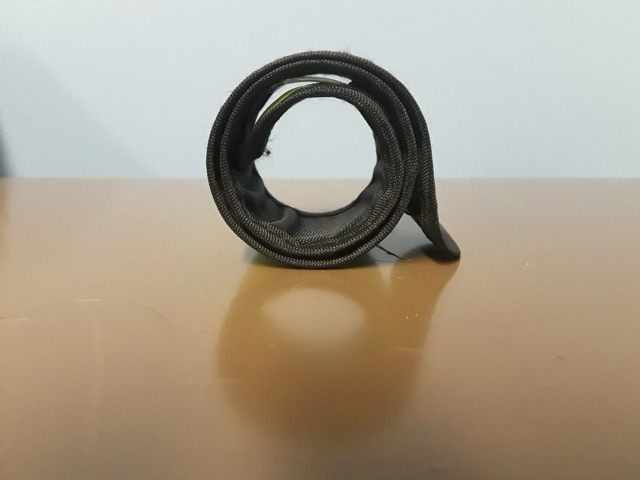
A spring-steel band in a fabric sleeve that snapped flat around your wrist when slapped on — equal parts accessory and weapon. Stuart Anders's invention became a summer craze that vanished just as fast when cheap knockoffs cut kids' wrists and schools banned them outright.
Mood Rings
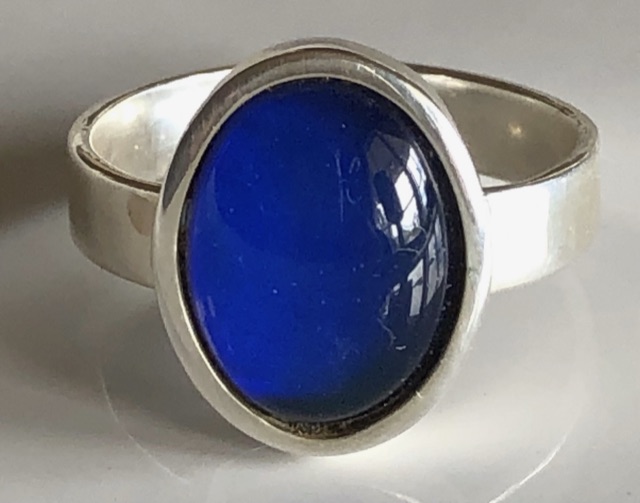
A thermochromic crystal that supposedly read your emotions—blue meant calm, black meant stressed—except it mostly just measured how cold your hands were. The stone changed color with finger temperature, not feelings, but that didn't stop every kid from testing one against its color chart and knowing, deep down, it was a scam.