Fimo
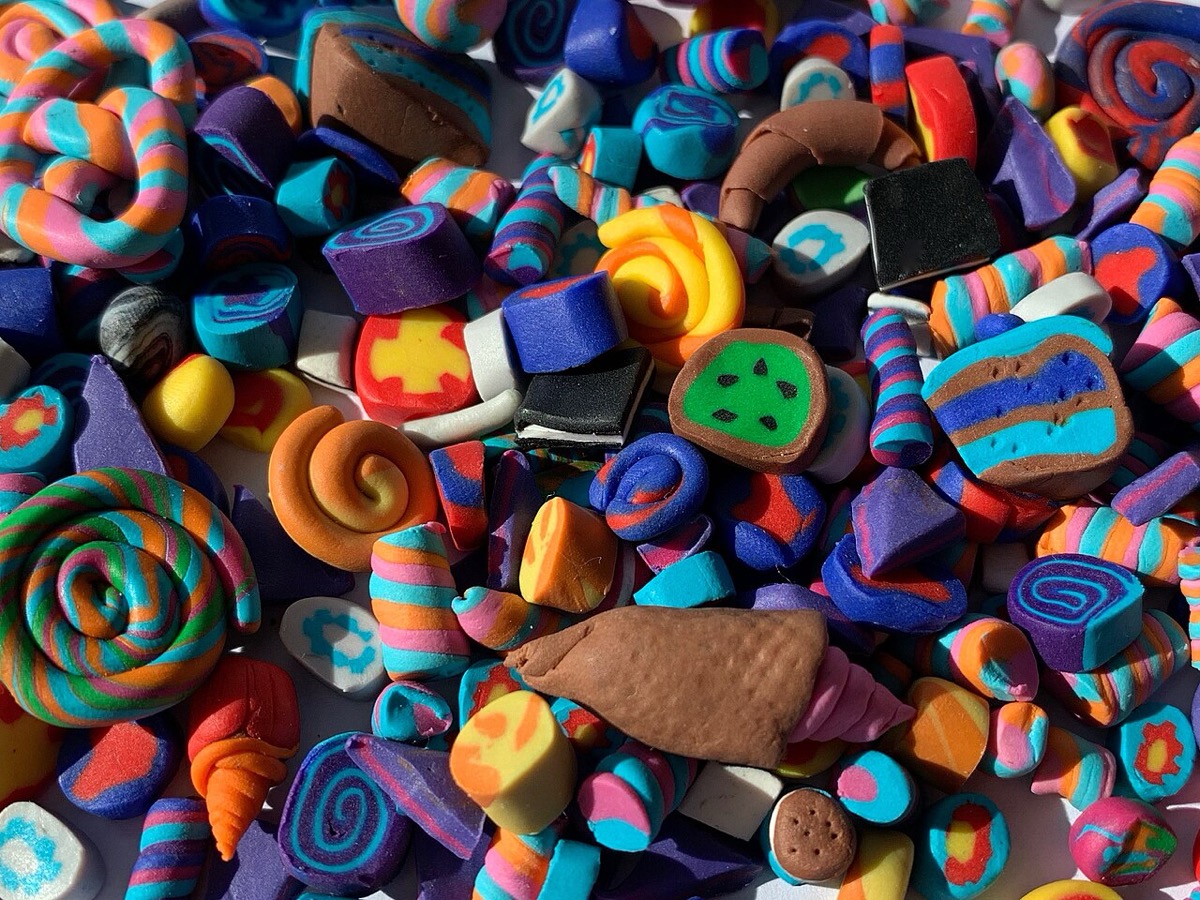
Photo credit: Photo: Perennis, CC BY-SA 4.0, via Wikimedia Commons
The oven-bake polymer clay that was the star of '90s arts-and-crafts: bright blocks you kneaded, sculpted, and baked hard into beads, charms, and tiny food. Master the millefiori "cane" and you could slice off a dozen identical little pictures — the craft-table flex of the decade.
Fimo's origins are older and stranger than its '90s craft-fair fame suggests. The modeling compound was first presented to the German dollmaker Käthe Kruse in 1939; she found it unsuitable for her doll factory and passed it to her daughter Sophie Rehbinder-Kruse, nicknamed "Fifi" — which is where the name comes from: FIMO, short for "Fifi's Modeling compound." It was later produced under Eberhard Faber and eventually by the German stationery giant Staedtler, which makes it to this day.
As a polymer clay, Fimo stays soft and workable until you bake it in an ordinary home oven — roughly half an hour at a low temperature — after which it hardens permanently and can be cut, drilled, sanded, or painted. That simple magic made it a defining arts-and-crafts staple through the 1980s and '90s, in friendly rivalry with the American brand Sculpey. Kids and hobbyists rolled it into beads, charms, and miniature food, and the truly ambitious learned caning, or millefiori: building a log of colored clay so that a picture runs all the way through it, then slicing off thin beads that each carry the same image.
Still a leading polymer-clay brand under Staedtler, Fimo was reformulated to be phthalate-free in 2006. For a generation, though, it's remembered as the smell of a baking tray full of homemade beads — the raw material of every friendship necklace and clay pendant the decade produced.
Similar items

Clay Pendant Necklaces
Handmade-looking polymer clay pendants—suns with faces, crescent moons, yin-yangs—strung on hemp or black leather cord. Cheap enough to buy at a boardwalk kiosk, earthy enough to feel like you'd made it yourself. The unofficial jewelry of late-90s beach towns and mall food courts.
Sand Art Bottles
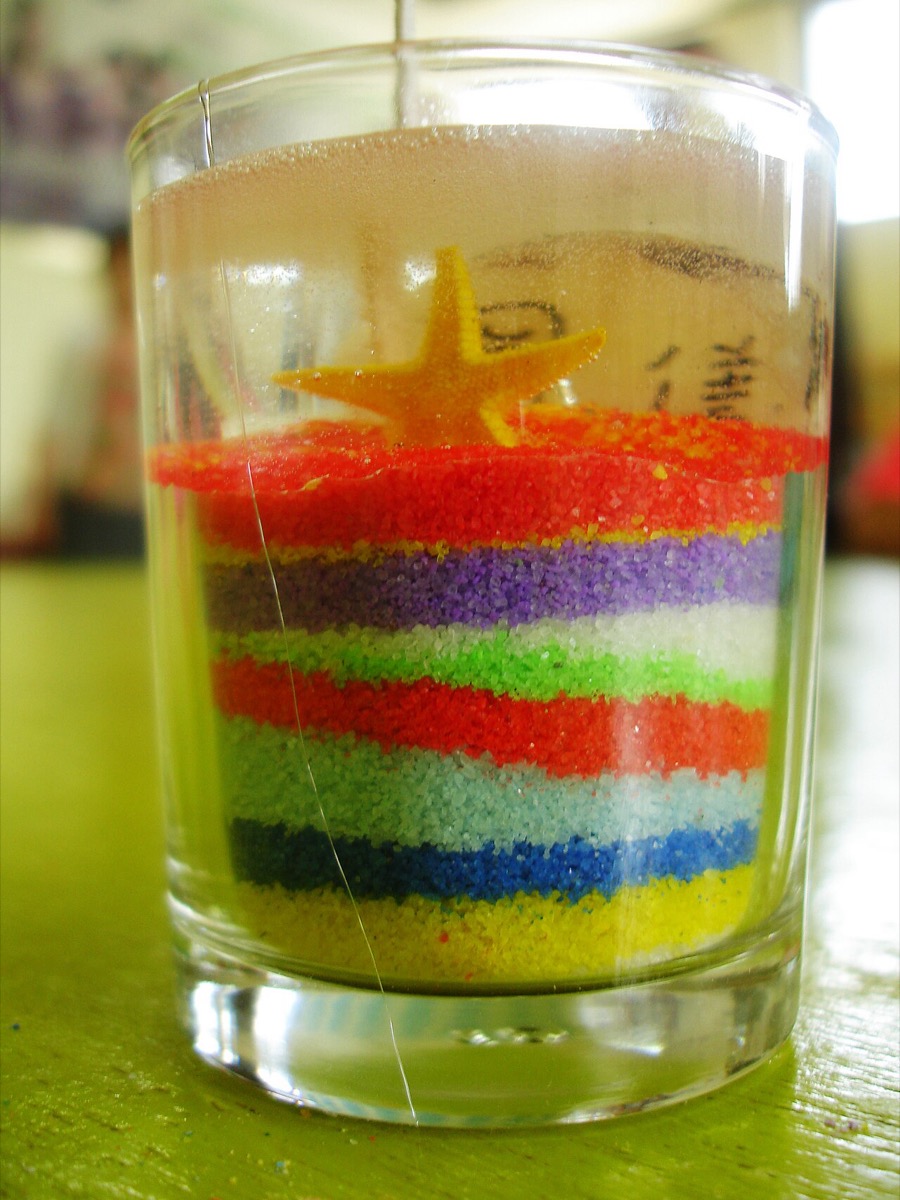
The layered-sand craft booth at every carnival and fair, where you picked a glass bottle, selected neon and tie-dye sand colors, and tilted them into waves and zigzags with a funnel. You walked away with a shelf decoration that somehow always ended up tipped over and swirled into mud.
Shrinky Dinks
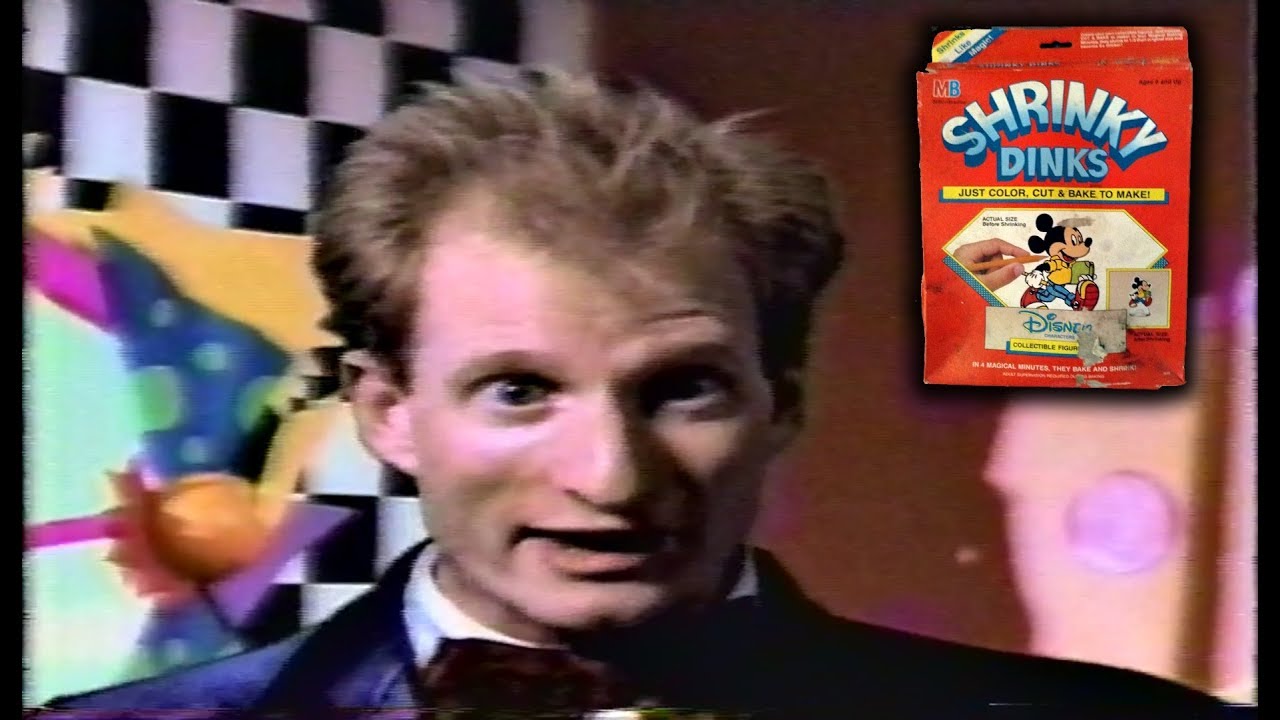
You colored a sheet of plastic, cut it out, put it in the oven, and pressed your face to the door as it curled up like it was ruined — then it flattened, shrank, and hardened into a tiny perfect version of your drawing. Invented by two Wisconsin moms in 1973, it was kitchen chemistry that worked like magic every single time.

Aqua Dots
The craft kit where you arranged colored beads on a peg tray and spritzed them with water to fuse them into art—no heat, no ironing. A 2007 hit that turned into one of the decade's most alarming recalls when the beads' coating turned toxic inside the body.