"Sex and Candy" — Marcy Playground

The slow, drawled, two-minute-fifty-two-second oddity about "disco lemonade" and "platform double-suede" that held number one on Billboard's Modern Rock chart for a then-record 15 weeks. It was Marcy Playground's only hit, and plenty of people mistake it for Nirvana.
The title came years before the song. In the late 1980s, before Marcy Playground existed, John Wozniak was in his girlfriend's dorm room at Bryn Mawr College, where his father taught, when another young woman walked in and said the room smelled like "sex and candy." Wozniak found the phrase "weird and cool." In 1992 or 1993 he wrote the song in under an hour, at 4 a.m. in his bedroom, pairing the phrase with a pile of disco-era references he made up: "double cherry pie," "disco superfly," "disco lemonade," "platform double-suede." "It's pretty clear it wasn't written to be a hit," he said. "It's just a quirky little weird song."
The song was on the band's 1997 self-titled debut, which got little attention until a San Diego radio station started playing it at the same moment filmmaker Morgan J. Freeman put it on the soundtrack of his 1997 film Hurricane Streets. It went to radio in September 1997 and settled at number one on Billboard's Modern Rock Tracks chart for a then-record 15 weeks, finishing as the top modern rock song of 1998 and reaching number eight on the Hot 100. Publishers bid for the rights, with offers climbing from $100,000 to $750,000. Wozniak said he'd sell for $1 million plus $750,000 for his next album, got three offers at those numbers a week after the song hit number one, and sold. Its video, by Jamie Caliri, shows Wozniak's head sticking out of a hole in a checkerboard hillside while a spider crawls toward him, and Loudwire compared it to the art of Salvador Dalí.
Critics couldn't agree whether it was a love song or nonsense. Wozniak called it an unconventional love song in 1997 and later said he didn't really know what it meant. Many listeners heard Nirvana in the slow chords, and the song is often mistaken for a Nirvana track, though it came out three years after Kurt Cobain's death. It was also Marcy Playground's only hit, and MTV News called it a "career killer." Wozniak still said he was pleased it "became a quintessential '90s moment." "Weird Al" Yankovic put it in his "Polka Power!" medley in 1999, and in 2023 Billboard ranked it the 17th most successful song in the modern rock chart's history.
Similar items

Third Eye Blind — "Semi-Charmed Life"
"Doo doo doo, doo doo-doo doo..." — the sunniest-sounding smash of 1997 was a song about crystal meth, and the radio edit made sure you couldn't tell. The hook that soundtracked every summer barbecue was hiding one of the darkest lyrics on the dial.
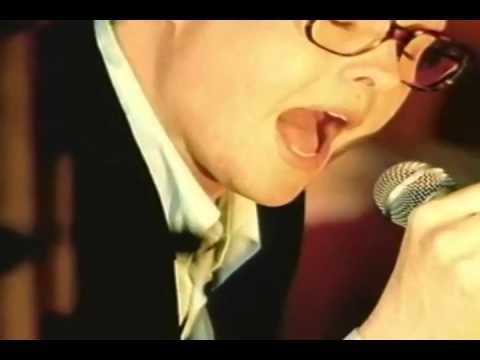
"Flagpole Sitta" — Harvey Danger
"I'm not sick but I'm not well": a college-newspaper band's answer to the Seattle scene, from a group weighing whether to quit when one DJ started playing it. Rolling Stone later called it the best song of 1998.
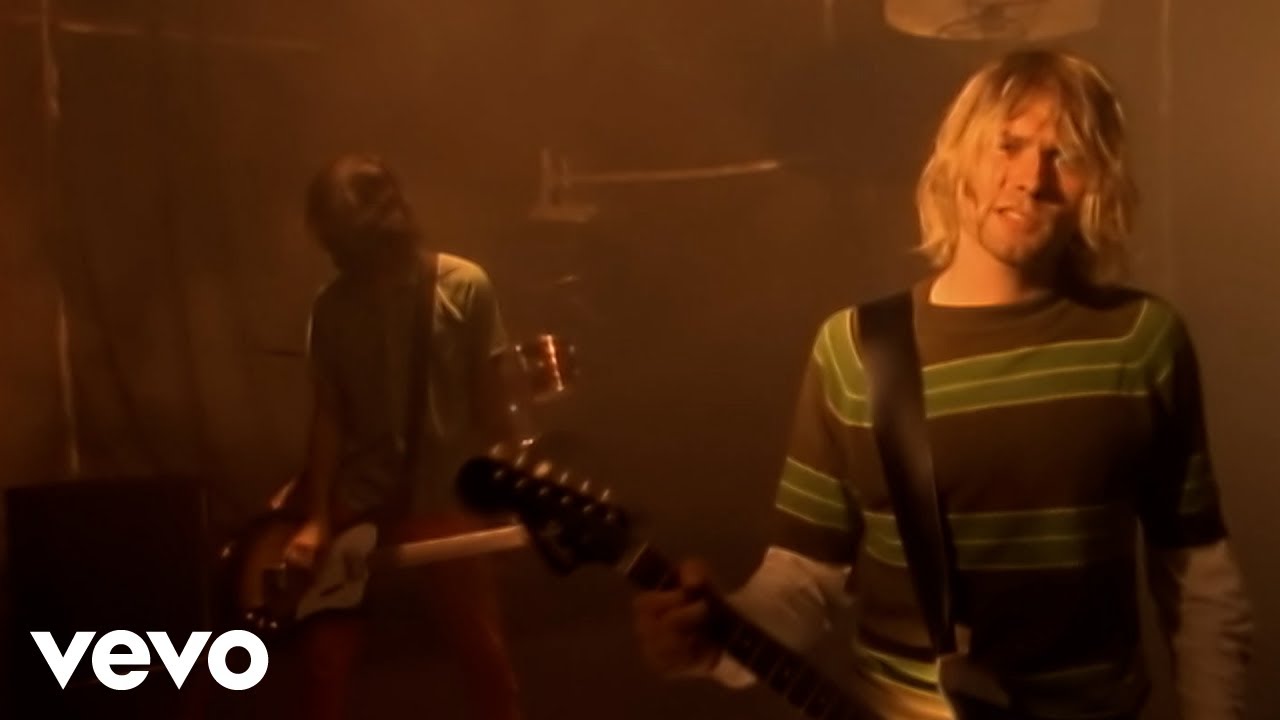
Nirvana
Kurt Cobain, Krist Novoselic, and Dave Grohl didn't invent grunge—but their 1991 album Nevermind accidentally blew it up worldwide, displacing Michael Jackson from #1 and making flannel shirts and angst the uniform of the decade.

"Weird Al" Yankovic
The king of musical parody, Alfred Matthew Yankovic turned accordion jokes and lyrical hijinks into a decade-long MTV empire. He made fun of the songs everyone loved—and everyone watched him do it.