Paranormal Activity

A camera on a tripod, a bedroom door, and whatever it is that moves while they sleep. The $15,000 haunted-house movie that terrified test audiences into walking out — and rode a 'Demand It' campaign to nearly $200 million in the fall of 2009.
Paranormal Activity was a one-man production: Oren Peli wrote, directed, shot, and edited it at his own house in the Rancho Peñasquitos neighborhood of San Diego for $15,000, casting unknowns Katie Featherston and Micah Sloat as a couple who set up a bedside camera to record whatever has been haunting Katie since childhood. The nights tick by in time-stamped static shots — a door moving here, a shadow there — weaponizing the space between events. It premiered at the Screamfest horror festival on October 14, 2007, where a CAA assistant was impressed enough to get the agency circulating DVDs around Hollywood.
What happened next became industry legend. DreamWorks' plan was to remake the film with a real budget and shelve the original as a DVD extra — until a test screening of Peli's version, where people started walking out. Executives thought it was bombing; the viewers were actually leaving because they were too scared. The remake was scrapped, and Paramount released the original with a new, punchier ending that cost more than the entire movie — about $200,000.
The rollout was as clever as the film. Paramount opened it on September 25, 2009 in just twelve college towns, ran trailers built from night-vision footage of audiences screaming, and invited fans to vote on Eventful's 'Demand It' tool for their city — announcing a nationwide release only if the film hit one million demands. Midnight shows sold out, the map filled in, and the movie exploded to $194.2 million worldwide, getting crowned the most profitable film ever made relative to its budget, a title previously hung on The Blair Witch Project.
Jason Blum produced alongside Peli, and the franchise the movie spawned helped define the micro-budget horror economics Blumhouse became famous for. But the original's scariest trick stays simple: it made a generation genuinely afraid of watching their own bedroom.
Similar items
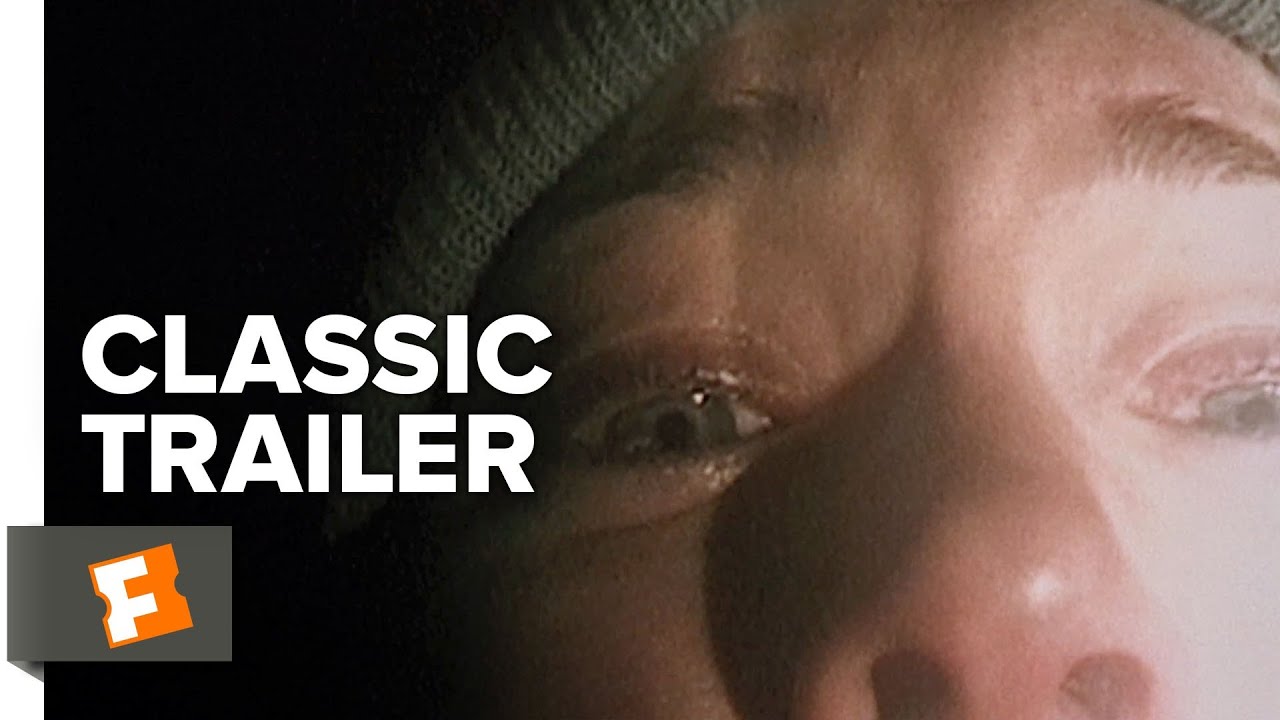
The Blair Witch Project
Three film students walk into the Maryland woods to document a local legend; only their footage comes back. The Blair Witch Project cost less to shoot than a used car and grossed nearly $250 million in 1999 — because its marketing convinced a meaningful slice of America that the tape was real and the actors were dead.

Zombieland
Rule #1: Cardio. Rule #2: Double tap. The 2009 road-trip comedy that made the zombie apocalypse fun — four survivors named for their hometowns, a nationwide Twinkie hunt, and one legendary celebrity cameo.

Cloverfield
The last great movie mystery born from a teaser with no title, just a date: 1-18-08. Message boards dissected every frame for months before anyone knew what it was.

28 Days Later
Cillian Murphy wakes from a coma to an emptied Britain: the Rage virus, grainy DV cameras, and infected that sprint. Danny Boyle and Alex Garland's $8 million nightmare reinvented the zombie movie's speed limit — even though, as every pedant will happily tell you, they're infected, not zombies. For a generation this was the scariest thing a friend's older brother ever put on.