Netbooks

For a few years, the future of computing was a laptop the size of a hardcover book with a screen you squinted at and a keyboard you learned to type on with your fingertips together. Netbooks were cheap, tiny, everywhere — the first computer a lot of kids ever owned — and then the iPad arrived, and within three years the entire category was gone.
The netbook era started in October 2007 with the Asus Eee PC: a 7-inch, two-pound laptop running Linux off a solid-state drive, priced at a fraction of a normal notebook. Asus said the name stood for "Easy to learn, Easy to work, Easy to play," and the little machine found an audience instantly — over 300,000 units sold in its first four months. Every PC maker piled in with its own Intel Atom-powered clone: Acer's Aspire One, MSI's Wind, Samsung's NC10, a whole back-to-school aisle of 9- and 10-inch laptops that cost less than a game console and weighed less than a textbook.
For a moment the things genuinely looked like the future. By 2009–2010 netbooks were roughly a fifth of the entire portable-computer market. The early Linux experiments gave way to Windows — by 2009 over 90% of US netbooks shipped with it, and Microsoft kept Windows XP alive specifically for the category — and the netbook settled into its cultural role: the homework machine, the coffee-shop blogging rig, the thing you did MySpace and early Facebook on from your bedroom because it was yours, slow as it was.
The collapse was as fast as the rise. Apple's iPad arrived in 2010 and did the netbook's casual jobs — browsing, video, email — without the cramped keyboard or the wheezing processor, while thin-and-light ultrabooks squeezed the category from above. Netbook sales fell 25% year-on-year in 2012; Dell had already bailed in December 2011, and in September 2012 Asus, Acer, and MSI all announced the end of their 10-inch netbooks, with Asus shutting down the Eee PC line entirely in January 2013. Chromebooks would later inherit the cheap-laptop-for-everyone idea — but the netbook itself remains a five-year era: the tiny, terrible, beloved laptop of the late 2000s.
Similar items
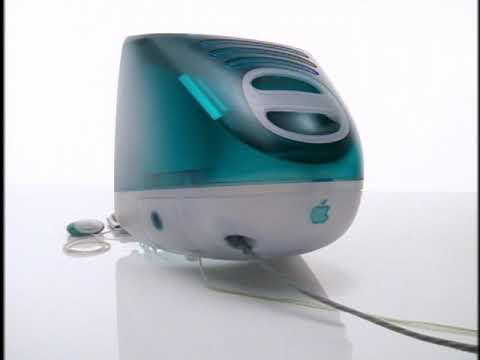
iMac G3
Jony Ive's teardrop iMac: translucent Bondi Blue plastic, USB ports, and no floppy drive — a total break from beige-box monotony. By 1999 it had exploded into five candy colors, and school computer labs filled with rows of the gumdrops. A computer that looked like it came from the future, parked in your classroom.

Gateway Computers
The PC that came in a cow-spotted box. Born above an Iowa cattle brokerage, Gateway 2000 mail-ordered family computers straight to your door in black-and-white Holstein-print cardboard — ordered over the phone from a friendly Midwest rep, delivered by truck. For countless kids, that spotted box showing up meant the house was about to get its first computer.

Windows XP
The operating system with the rolling green hill wallpaper—Windows XP arrived in October 2001 with Luna's glossy blue taskbar, the green Start button, and the cheerful startup chime that defined a generation's relationship with computers. It was stable, beloved, and so enduring that users clung to it long after Microsoft stopped supporting it, making it the most iconic OS of the 2000s.
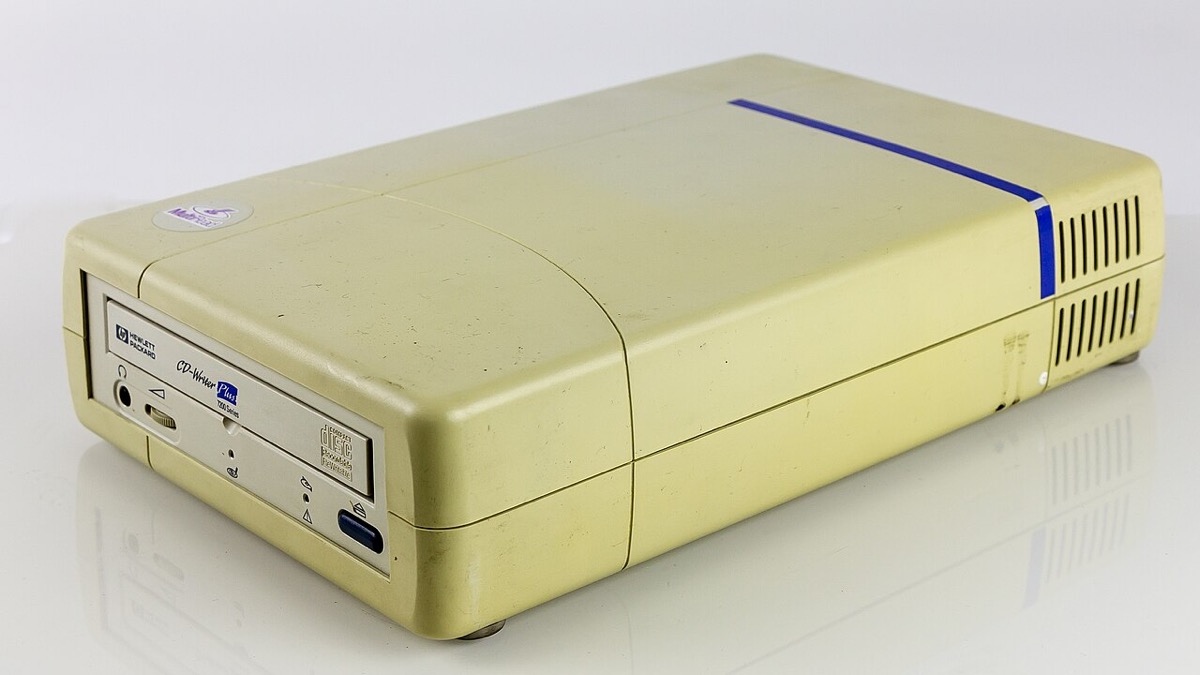
CD Burners
The drive that made every PC a record-pressing plant. You fed in a blank CD-R, dragged your downloads into Nero or Easy CD Creator, and held your breath: one buffer underrun mid-burn and the disc was a coaster. When it worked, you walked away with a fresh mix CD and the quiet pride of having pressed it yourself.