Crystal-Growing Kits

Mix the packet into hot water, pour it over the little rock base, and wait. For days, nothing. Then — crystals: a jagged purple or emerald cluster growing on your windowsill like you'd personally mined it. The box said adult supervision; the results said wizard.
The 90s toy-store shelf had a whole genre of grow-it-yourself mineral magic, and the flagship was the Smithsonian-branded crystal-growing set — made by Natural Science Industries of West Hempstead, New York, with mid-90s editions offering clusters in "Golden Citrine," "Aquamarine Blue," and "Emerald Green." The science was real supersaturation chemistry: dissolve a compound like monoammonium phosphate or alum in hot water, let the solution cool over the seed base, and watch the excess slowly come out of solution as faceted crystal growth over days or weeks. It was one of the few toys that made you wait — and the waiting was the point.
Part of the memory is how serious the boxes felt. These kits carried chemical-hazard warnings and "adult supervision required" text that read like lab-safety paperwork, which only added to the sense that you'd been entrusted with real science (kits of this kind carry an ages-10-and-up rating — strict for a toy, even if memory rounds it higher). They sold exactly where you'd expect: educational-toy emporiums like Noodle Kidoodle, next to the microscopes and the ant farms.
The genre had a much older ancestor: Magic Rocks, launched back in 1945 as "Magic Isle Undersea Garden" and made in Sheridan, Wyoming for decades until the founding family sold the company in 2005. Magic Rocks worked on completely different chemistry — chunks of metal salts dropped into sodium-silicate solution sprout gel membranes that burst and regrow, sending colored towers up in minutes rather than weeks — a "chemical garden" instead of true crystallization. Both are still sold today, and the Smithsonian name is still on crystal kits, but the peak of the form was that 90s windowsill: a jar you weren't allowed to touch, doing something slow and mineral and just barely believable.
Similar items

Noodle Kidoodle
The "learning and discovery" toy store where the whole point was to play before you bought — hands-on demo stations, educational and non-violent toys, and a name no kid could say without smiling. A mid-90s mall staple that vanished almost as fast as it appeared.

Creepy Crawlers
The oven where kids baked their own rubbery bugs and threw them at siblings. ToyMax's Creepy Crawlers used a lightbulb-powered mold oven — safe enough for the 90s, still hot enough to feel dangerous — and the smell of baking Plasti-Goop became one of the decade's most specific sense-memories.

Glow-in-the-Dark Star Stickers
Adhesive plastic stars that glowed faintly when you turned off the lights, arranged in random chaotic constellations across your ceiling and walls — the ultimate low-effort bedroom customization. Kids spent hours peeling and sticking them in patterns, occasionally attempting actual star charts, mostly just creating glowing chaos overhead to stare at before sleep.
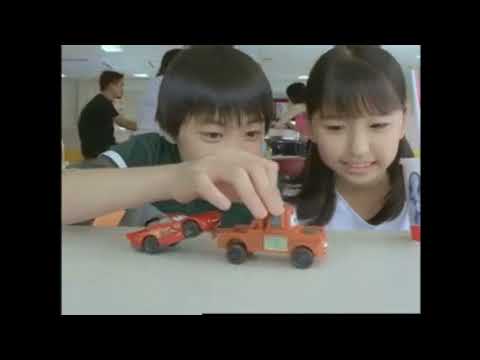
Happy Meal Toys
The toy was the point; the burger was an afterthought. McDonald's Happy Meal turned a quick lunch into ritual theater, where the real prize waited in the box. For generations of kids, the question wasn't what's for dinner — it was which toy is it this week.