Hootie & the Blowfish

The band everyone owned, played to death, and then pretended never to like. Hootie & the Blowfish's Cracked Rear View was the best-selling album of 1995 — eventually certified 22× platinum — before total saturation curdled into backlash.
Formed in 1986 in Columbia, South Carolina, Hootie & the Blowfish — Darius Rucker on vocals, Mark Bryan on guitar, Dean Felber on bass, and Jim Sonefeld on drums — were eight years old as a band when their Atlantic Records debut, Cracked Rear View, arrived on July 5, 1994. Produced by Don Gehman, it entered the Billboard 200 at No. 127. Then it exploded. Over the course of 1995 it climbed to No. 1 five separate times and became the best-selling album of the year in the United States, moving 7 million copies in those twelve months alone. The singles kept coming: "Hold My Hand" reached No. 10 on the Hot 100, "Let Her Cry" No. 9, "Only Wanna Be with You" No. 6, and "Time" No. 14.
On February 28, 1996, the band collected Grammys for Best New Artist and Best Pop Performance by a Duo or Group with Vocal for "Let Her Cry." And Cracked Rear View just kept selling — it was eventually certified 22× platinum, a double diamond, one of the best-selling albums in American history. For a stretch of the mid-90s it lived in every dorm room, every cookout, every first apartment, Rucker's baritone as unavoidable as weather.
Ubiquity carried the seeds of backlash. The 1996 follow-up Fairweather Johnson sold 4 million copies in the US and sent "Old Man and Me" to No. 13 — a career for most bands, but a punchline-sized comedown next to the debut — and liking Hootie quietly became uncool almost as fast as it had become universal. The band went on hiatus in 2008 while Rucker reinvented himself as a country star. The songs never actually went anywhere, though: put on "Only Wanna Be with You" at any gathering of people who were alive in 1995 and count the seconds before the chorus gets sung for you.
Similar items
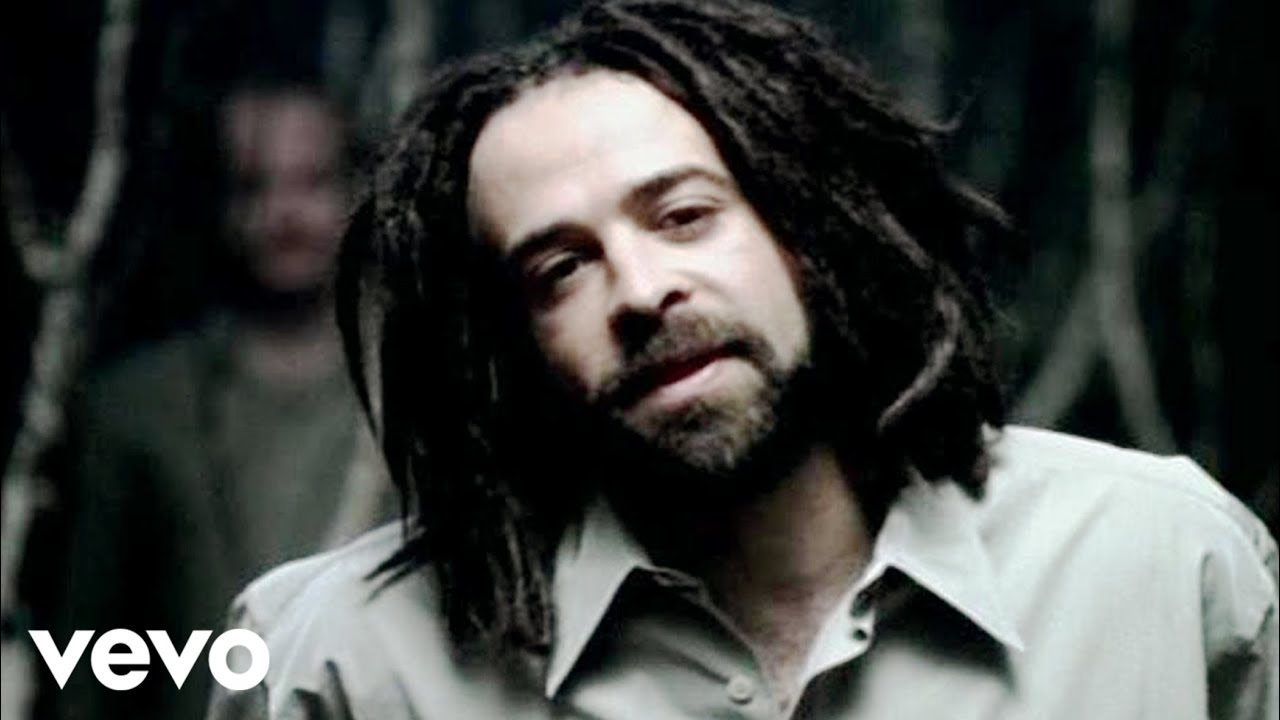
Counting Crows
Adam Duritz's dreadlocked, wordy, openly wounded alt-rock band — one of the definitive sounds of 90s radio. Their 1993 debut sold over seven million copies, and Duritz spent years dismantling the very song that made them famous, recanting "Mr. Jones" and its hunger for stardom after getting exactly what he wished for.

Dave Matthews Band
The jam band that proved you didn't need guitar-on-guitar riffage—saxophone and violin could carry the whole load. College kids traded their live tapes like sacred relics, passing cassettes through dorm networks long before the internet caught up, and the band turned that devotion into an amphitheater-tour institution that defined summer for a generation.
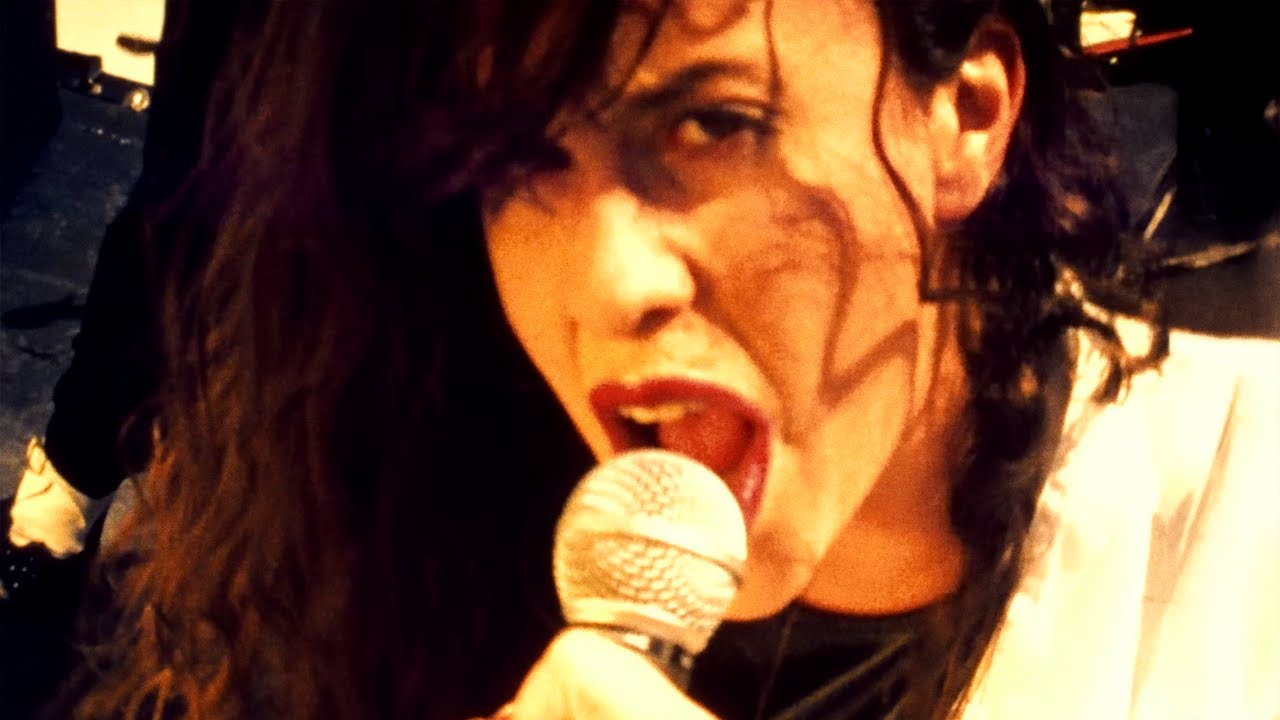
Alanis Morissette
The Canadian teen-pop star who reinvented herself as the voice of 90s female rage. Raw, oversharing, absolutely unapologetic about her feelings—she gave the decade permission to be a mess and call it art.
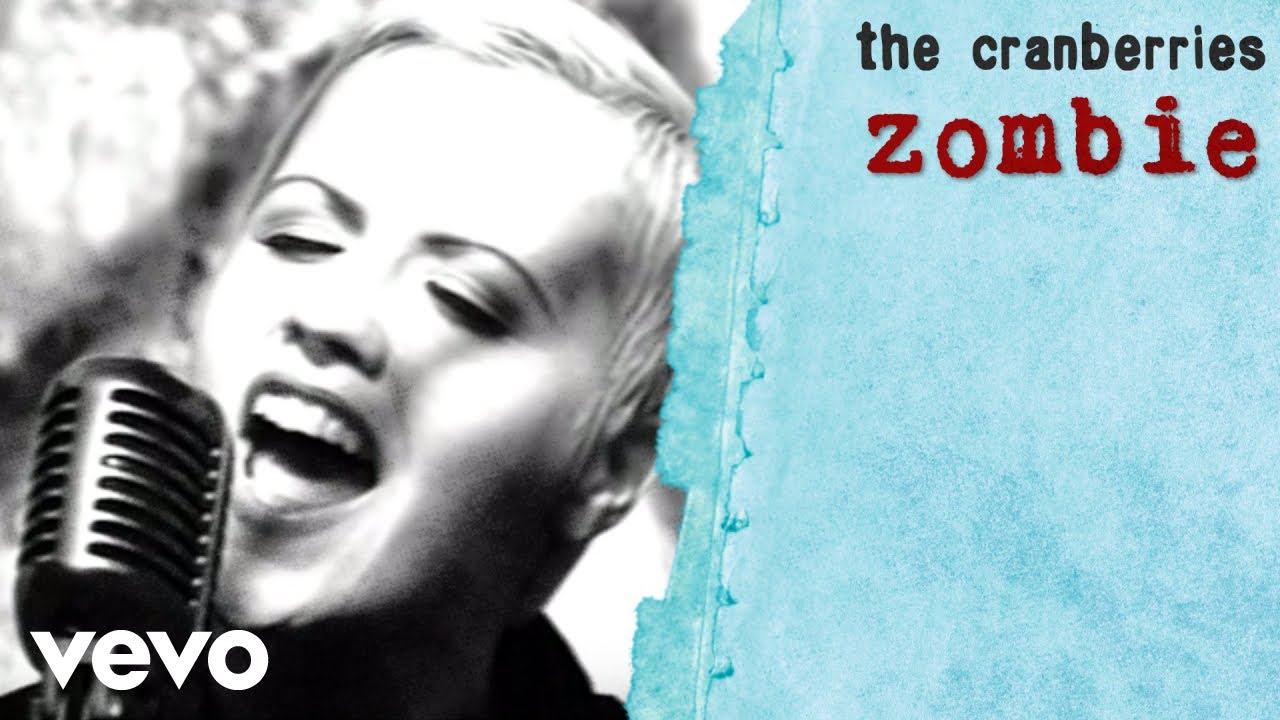
The Cranberries
A Limerick band fronted by Dolores O'Riordan's unmistakable keening wail, The Cranberries seemed to come out of nowhere in 1993 and then were impossible to escape — "Linger," "Dreams," and then "Zombie," the stadium-sized protest song that outlived the decade.