Guess Who?

Two players staring across identical boards of cartoon faces, taking turns asking yes-or-no questions and flipping down the eliminated suspects. Deduction distilled to its purest form: the click-clack of a plastic tile, the rush of a question that erases half the board, the smug certainty of "I know who it is." A 90s rainy-recess and family-game-night ritual.
Israeli designers Ora and Theo Coster — the husband-and-wife team behind Theora Design, one of the most prolific toy-invention studios in the world — created Guess Who? and brought it to Milton Bradley, which first manufactured it in Great Britain in 1979 and released it in the US in 1982. The Costers' spark came from the verbal game of 21 questions, but the genius was in the physicality: early flat-board prototypes failed to interest toy companies, and it was the flip-up tiles — the satisfying click of knocking down a face — that finally sold it.
Through the 80s and especially the 90s, Guess Who? became a fixture of households and classroom shelves: the red and blue boards, 24 cartoon faces on each, a mystery card in the little slot, and the strategy question every kid worked out for themselves — ask about glasses or hats and you might wipe out a third of the board in one flip; ask a lazy question and you've wasted a turn. Milton Bradley was absorbed into Hasbro, which still publishes the game today; the faces have been redesigned over the years, but the 90s cast is the one this database remembers.
It endures because it needs no rulebook after the first game and no luck beyond the card you draw — a pure information duel simple enough for a six-year-old and satisfying enough that adults still play it competitively at holiday tables. Few games have wrung so much drama out of the question "Does your person wear glasses?"
Similar items
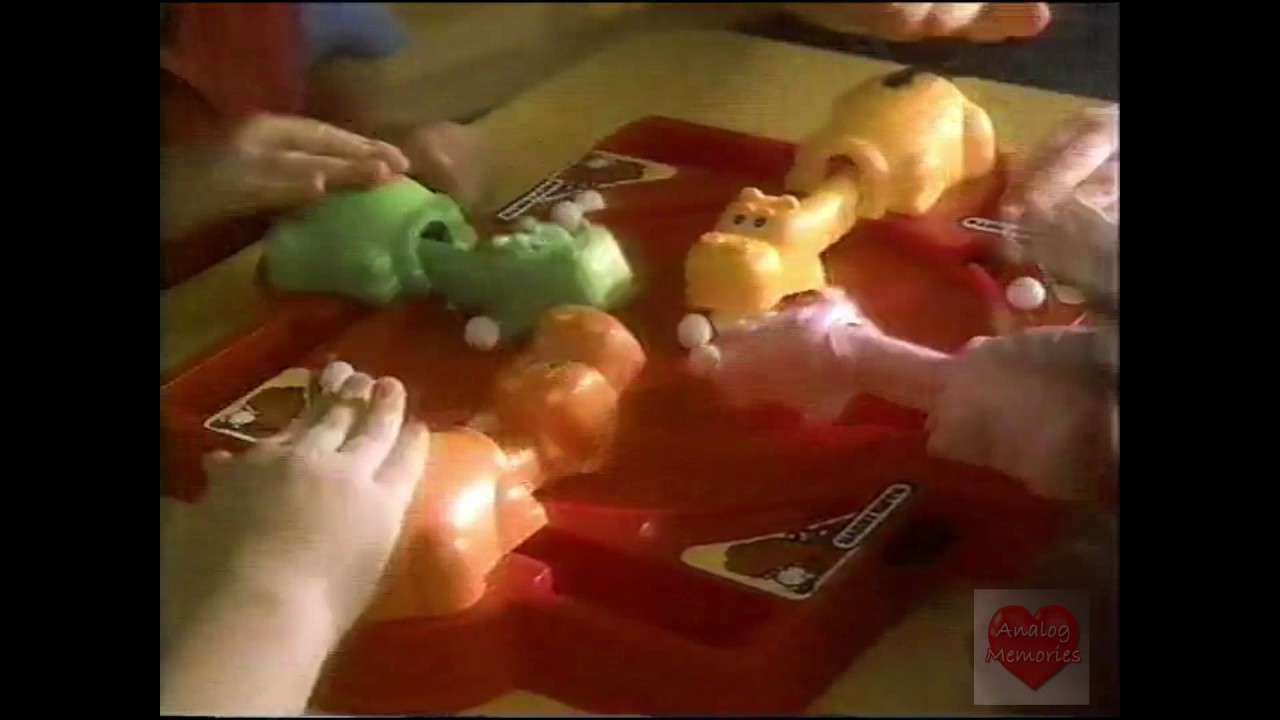
Hungry Hungry Hippos
Four plastic hippos, a pile of marbles, zero strategy — just lever-slamming chaos and the loudest thirty seconds in the toy closet. Milton Bradley's 1978 classic was every 90s kid's first taste of pure competitive frenzy.

Mouse Trap
Nobody ever played Mouse Trap by the actual rules. You built the glorious crank-gear-boot-bucket contraption, dropped the cage on somebody's mouse, and called it a night — exactly as every 90s kid intended. A Rube Goldberg machine in a box, on toy shelves since 1963.

Connect Four
The upright blue grid, the clack of checkers dropping down the slots, and the gasp when someone spots a diagonal you didn't. Connect Four was the fastest fight you could pick at a kitchen table — and losing meant watching your opponent yank the release bar and rain your defeat onto the floor.
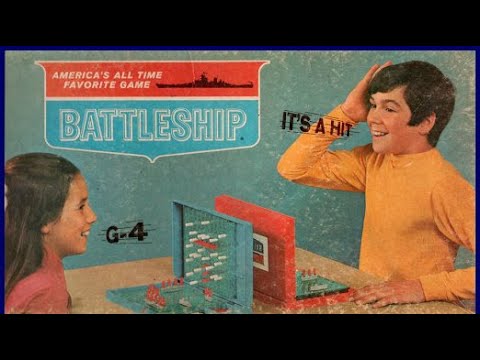
Battleship
B-4. Miss. E-7... hit. The two-player naval standoff of gray plastic ships, red and white pegs, and the flip-up case that hid your fleet from your opponent — capped, if you were lucky, by getting to crow the line from the commercials: "You sank my battleship!"