Gator Golf

Putt the ball into the gator's mouth and he flings it right back off his tail — then spins around to face your next shot. Half golf, half reptile roulette, all living-room floor. And once that jingle was in your head, it never left.
Gator Golf came from independent toy inventor Robert B. Fuhrer — the same inventor behind Crocodile Dentist, apparently a man with a thing for putting kids at the mercy of plastic reptiles. Milton Bradley debuted it at the 1994 American International Toy Fair: a motorized green alligator you putt golf balls at, aiming for the open mouth. Swallow one and the gator flips it back off his tail, spinning to a new position so the next putt is never quite the same. Simple, silly, and irresistible on TV.
And TV is where Gator Golf really lived. The commercial's sing-song jingle — asking what could be greater than playing a game of golf with a gator — ran in heavy rotation through kids' programming blocks, and the game became one of the most popular toys of the 1994 Christmas season. Like Crossfire and Don't Wake Daddy before it, it was less a golf trainer than a piece of theater: the whirring gator, the triumphant tail-flip, the scramble to retrieve balls from under the couch.
The gator never really retired — it just kept getting reissued. A 2008 cost-cutting redesign infamously stopped the spinning and turned the gator orange (green was restored within a few years), a Goliath Games overhaul followed in 2019, and the game is still on shelves today under Hasbro. But the one lodged in millennial memory is the original: green, spinning, and singing at you from the TV between cartoons.
Similar items

Crocodile Dentist
A children's suspense game where players take turns pressing down a plastic crocodile's teeth, never knowing which one is the hidden trigger that makes the crocodile's jaw snap shut. First published by Milton Bradley in 1990, it delivered pure tension and jump-scare entertainment, with a travel version following its popularity.

Don't Wake Daddy
Sneak to the fridge for a midnight snack — past Daddy, asleep in his nightcap in the middle of the board. Press his alarm clock one time too many and he SPRINGS bolt upright, and you're back to start. Pure pressure, ages 3 and up.

Let's Go Fishin'
A motorized pond of 21 plastic fish snapping their mouths open and shut while four players jab tiny rods at them. The whirr, the clatter, the frantic scramble—Pressman's fishing game was pure sensory chaos on every 90s living-room floor.
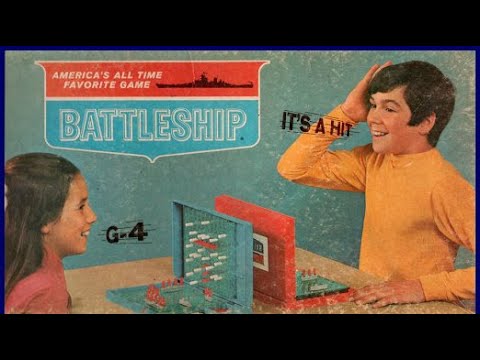
Battleship
B-4. Miss. E-7... hit. The two-player naval standoff of gray plastic ships, red and white pegs, and the flip-up case that hid your fleet from your opponent — capped, if you were lucky, by getting to crow the line from the commercials: "You sank my battleship!"