13 Dead End Drive

The booby-trap board game where you inherited a fortune by making sure everyone else met an 'accident' first. A tipping portrait, a falling chandelier, a trap door — you sprang them on your rivals' characters and hoped the detective arrived to find you holding the winning card.
Milton Bradley released 13 Dead End Drive in 1993, designed by Michael Marra, Andrew Berton, and David Wyman. The setup is gloriously morbid for a family game: a wealthy woman has died, and her would-be heirs are all crowded into the mansion at 13 Dead End Drive, each scheming to be the last one standing when the detective shows up. Instead of racing around a track, you spend the game trying to eliminate the other players' characters by springing the house's built-in traps.
Those traps were the whole point. A chandelier that dropped, a bookcase that toppled, a staircase, a suit-of-armor statue, and a fireplace trap door — each a little plastic mechanism you triggered by playing the right Trap Card while a rival's character stood on the wrong space. A Portrait Card system tracked which heir the fortune currently favored, so the pieces were constantly being bumped, bluffed, and shuffled into danger. A detective token crept steadily toward the door, and when it arrived the game ended on the spot — whoever's character held the favored position inherited everything.
The game supported two to four players, was aimed at ages nine and up, and leaned on bluffing and timing as much as luck. It was successful enough to earn a bigger, nastier sequel, 1313 Dead End Drive, in 2002, which crammed in sixteen heirs and a money-grabbing twist. The original stayed in the culture as one of the era's great 'wait, this is a KIDS' game?' titles, and it's still in print today through Winning Moves.
Similar items
Crossfire
The frantic two-player shootout board game where you fired steel ball bearings from spring-loaded guns, trying to knock the pucks into your opponent's goal. The game was fine — but it was the over-the-top early-90s TV commercial and its rock jingle that burned it into a generation's memory.

Don't Wake Daddy
Sneak to the fridge for a midnight snack — past Daddy, asleep in his nightcap in the middle of the board. Press his alarm clock one time too many and he SPRINGS bolt upright, and you're back to start. Pure pressure, ages 3 and up.

Mall Madness
The electronic board game that let you live out the ultimate '90s fantasy: a shopping spree at the mall. A battery-powered voice called out sales — "Attention shoppers, there's a sale in the..." — while 2 to 4 players raced around a two-story plastic mall to buy everything on their list first.
Battleship
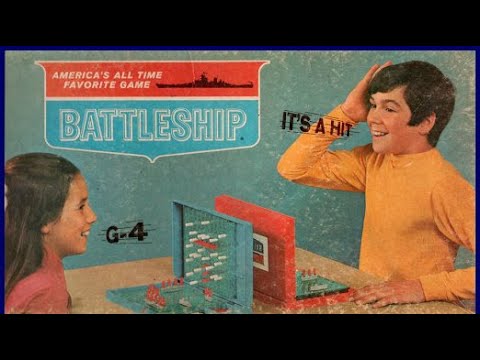
B-4. Miss. E-7... hit. The two-player naval standoff of gray plastic ships, red and white pegs, and the flip-up case that hid your fleet from your opponent — capped, if you were lucky, by getting to crow the line from the commercials: "You sank my battleship!"