Gizmondo
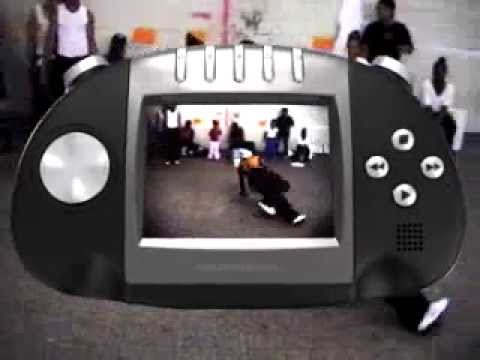
The handheld with everything: GPS, a camera, cellular, celebrity launch parties — and, it turned out, an executive with a past in Swedish organized crime. The company collapsed under $300 million of debt in 2006, and weeks later that executive crashed a rare Ferrari Enzo at 162 mph. Fewer than 25,000 were ever sold, by GamePro's count.
Tiger Telematics launched the Gizmondo in the UK on March 19, 2005, at £229, with a cheaper version subsidized by GPS-targeted "Smart Adds" advertising — a genuinely novel idea welded to a doomed device. The company promoted it like a luxury brand: a celebrity party at London's Park Lane Hotel with Busta Rhymes, Jodie Kidd and Pharrell Williams enlisted to promote it, and even a team fielded at the 24 Hours of Le Mans.
Then the story got stranger than any launch stunt. It emerged that executive Stefan Eriksson had a past in Swedish organized crime. Gizmondo Europe collapsed in February 2006 with US$300 million in debt, and production stopped. Weeks later, Eriksson crashed a rare Ferrari Enzo at 162 mph in California — a wreck so spectacular it made global headlines and permanently fused the console to the crash in gaming lore.
GamePro cited fewer than 25,000 units sold and called the Gizmondo the worst-selling handheld of all time. It has become the go-to cautionary tale of the mid-2000s gadget boom: a device stuffed with ambition, sunk by a company that imploded more memorably than anything it ever shipped.
Similar items

Nokia N-Gage
You pressed the edge of your N-Gage to your ear to make calls — the infamous "sidetalking" — while everyone nearby asked why you were talking into a taco. Swapping games meant removing the back cover and battery. The Game Boy Advance outsold it 100 to 1 within weeks. The joke aged beautifully, though: phones really did become game machines.

PSP
Sony's widescreen handheld that made your backpack feel like contraband. The PSP played UMD games and movies, had actual graphics, and let you game or watch on the go—turning every school lunch period into a gaming session. It felt like the future until the future moved on.
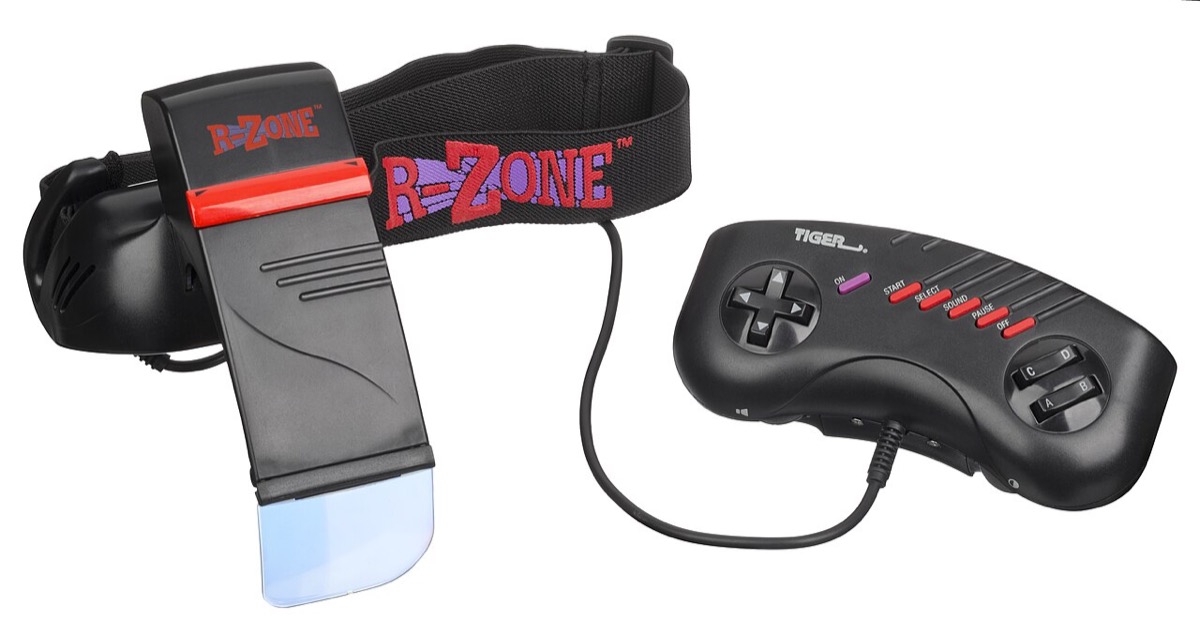
Tiger R-Zone
The Tiger R-Zone strapped to your head and projected blocky red games onto a little mirror in front of your eye. Released in 1995 at $29.99, it looked like Tiger's bid to catch the Virtual Boy wave — though Tiger never admitted it. Big licenses, tiny LCD games, and a permanent spot on worst-consoles-ever lists.

3DO
The 3DO was an audacious gamble: a roughly $700 CD console that The 3DO Company didn't even build itself — partners like Panasonic manufactured it under license, with royalties flowing back to Trip Hawkins' company. Time magazine called it 1993's "Product of the Year." No amount of prestige could overcome the price.