Firefly

Joss Whedon's space western lasted eleven episodes on Fox, aired out of order on Friday nights, and became one of the most beloved cancelled shows of its generation. The Browncoats bought the DVDs, raised the money, mailed the postcards and got a movie, Serenity, out of a network that never wanted the pilot.
Joss Whedon got the idea after reading The Killer Angels, Michael Shaara's novel of Gettysburg, and wanted to follow people who had fought on the losing side of a war into a hard pioneer life afterward — "a Stagecoach kind of drama," as he put it, with the grit he felt television science fiction had lost. Firefly is set in 2517, after humanity has settled a new star system; the United States and China have merged into the Alliance, people curse in Mandarin and talk in Old West cadences, and Nathan Fillion's Malcolm Reynolds, a former Independent sergeant from the losing side, keeps a Firefly-class ship called Serenity flying by smuggling and cargo-running with eight others aboard. Whedon pitched it as "nine people looking into the blackness of space and seeing nine different things."
Fox rejected the two-hour pilot, finding it short on action and the captain too "dour," and told Whedon on a Friday that a new pilot script was due Monday. He and Tim Minear wrote "The Train Job" over the weekend. The network refused to air the show in widescreen, scheduled it on Friday nights from September 20, 2002, ran three episodes out of production order, promoted it as an action-comedy, and preempted it for sports. Whedon had designed a seven-year story. By mid-December Firefly was averaging 4.7 million viewers and sitting 98th in the Nielsen ratings, and Fox cancelled it after eleven of the fourteen finished episodes had aired; the last three debuted in Britain the following year.
The fans, calling themselves Browncoats after Mal's old army, had organized before the axe fell, with a postcard campaign to Fox and then a drive to get UPN to pick it up. That failed, but it produced a DVD set in December 2003, in the intended order and in widescreen, that had sold about 500,000 copies by early 2006. Browncoats raised more than $14,000 to put sets aboard 250 U.S. Navy ships, and in June 2007 an astronaut carried the discs to the International Space Station. The show won a 2003 Emmy for visual effects, and the continuing noise persuaded Universal to make Serenity, Whedon's first feature as a director, released on September 30, 2005, under that title because Fox still owned the name Firefly. It opened second, grossed $25.5 million in the United States and $40.4 million worldwide, and won the Hugo Award for Best Dramatic Presentation.
The tagline "Can't stop the signal" gave its name to Can't Stop the Serenity, the charity screenings fans began in 2006 and repeated annually for years afterward. Ten thousand people lined up for the cast's tenth-anniversary panel at Comic-Con in 2012, TV Guide ranked it fifth among shows cancelled too soon, and in March 2026 Fillion confirmed an animated series was in development.
Similar items
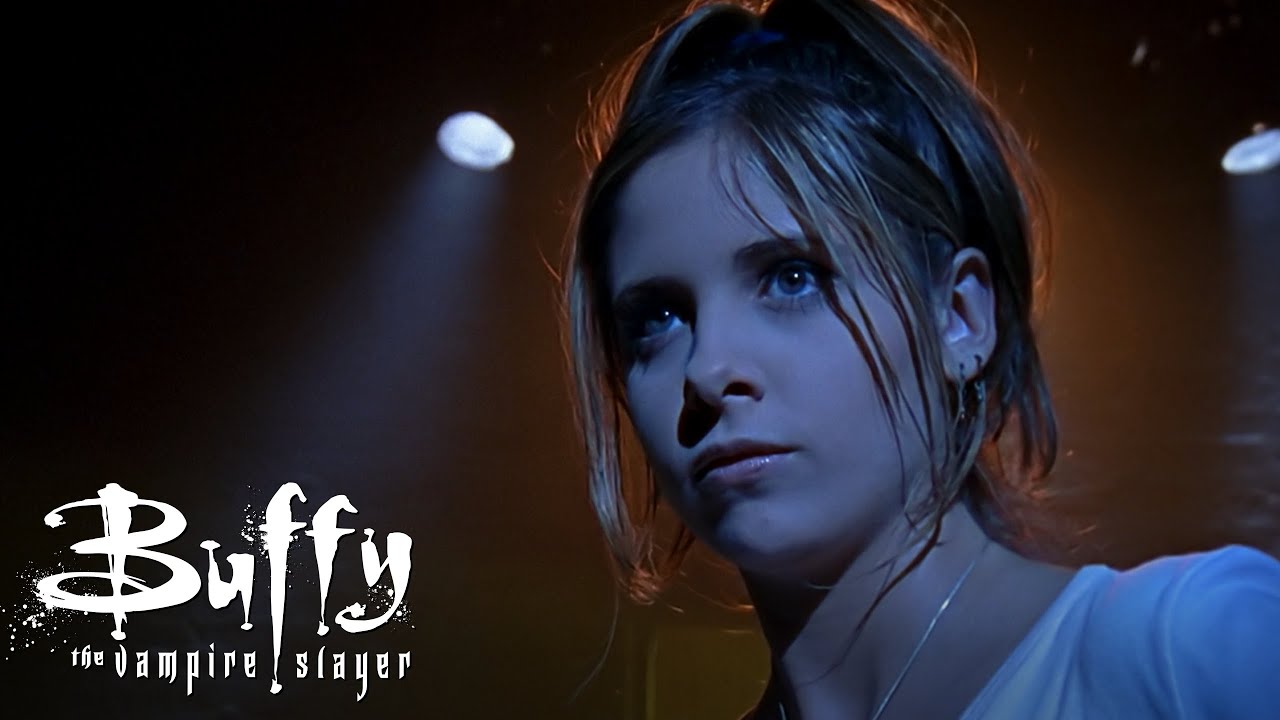
Buffy the Vampire Slayer
The cheerleader who was also the chosen one. Sarah Michelle Gellar's Buffy Summers staked vampires over the Hellmouth beneath her high school, and the show's mix of monster-of-the-week horror, teen angst, and quippy dialogue made it a genre-defining WB touchstone.
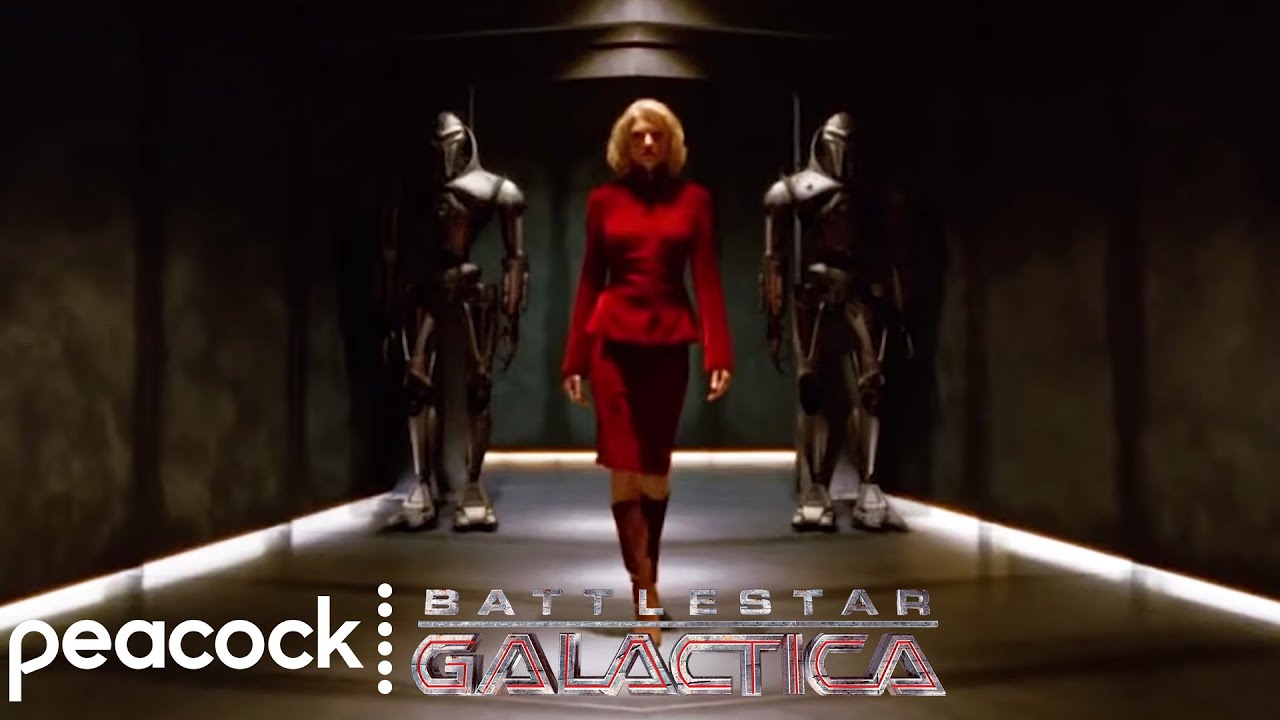
Battlestar Galactica (2004)
Ronald D. Moore took a cheesy 1978 space opera and rebuilt it as the darkest drama on television: fifty thousand survivors, Cylons who look human, no aliens, no lasers, and a war on terror allegory the United Nations eventually hosted a panel about. So say we all.

The X-Files
Fox's paranoia engine: FBI agents Mulder and Scully investigating UFOs, monsters, and government cover-ups one case file at a time. Created by Chris Carter, The X-Files turned "I Want to Believe" into a mantra and proved that prime-time TV could do serialized mythology decades before the streaming age demanded it.

Lost
The ABC serial drama that turned network TV into a mystery box for six seasons. When Oceanic Flight 815 crashed on a mysterious island, survivors discovered that their new home held impossible secrets—a smoke monster, a hidden hatch, a shadowy group called "the Others"—and a mythology so complex that fans spent years theorizing about every detail.