Fiona Apple

The 18-year-old with the piano and the Mark Romanek video that scandalized MTV. Fiona Apple's Tidal sold nearly three million copies, "Criminal" won a Grammy, and her 1997 VMA acceptance speech, which opened with "This world is bullshit," outlived the award.
Fiona Apple McAfee-Maggart was born September 13, 1977, in New York City, to singer Diane McAfee and actor Brandon Maggart, and grew up in Morningside Heights with her mother, spending summers with her father in Los Angeles. She studied piano, started writing songs at eight, and found Billie Holiday and Ella Fitzgerald through jazz standards. In 1994 a demo tape with "Never Is a Promise" on it reached Sony executive Andy Slater by way of a friend who babysat for a music publicist, and he signed her.
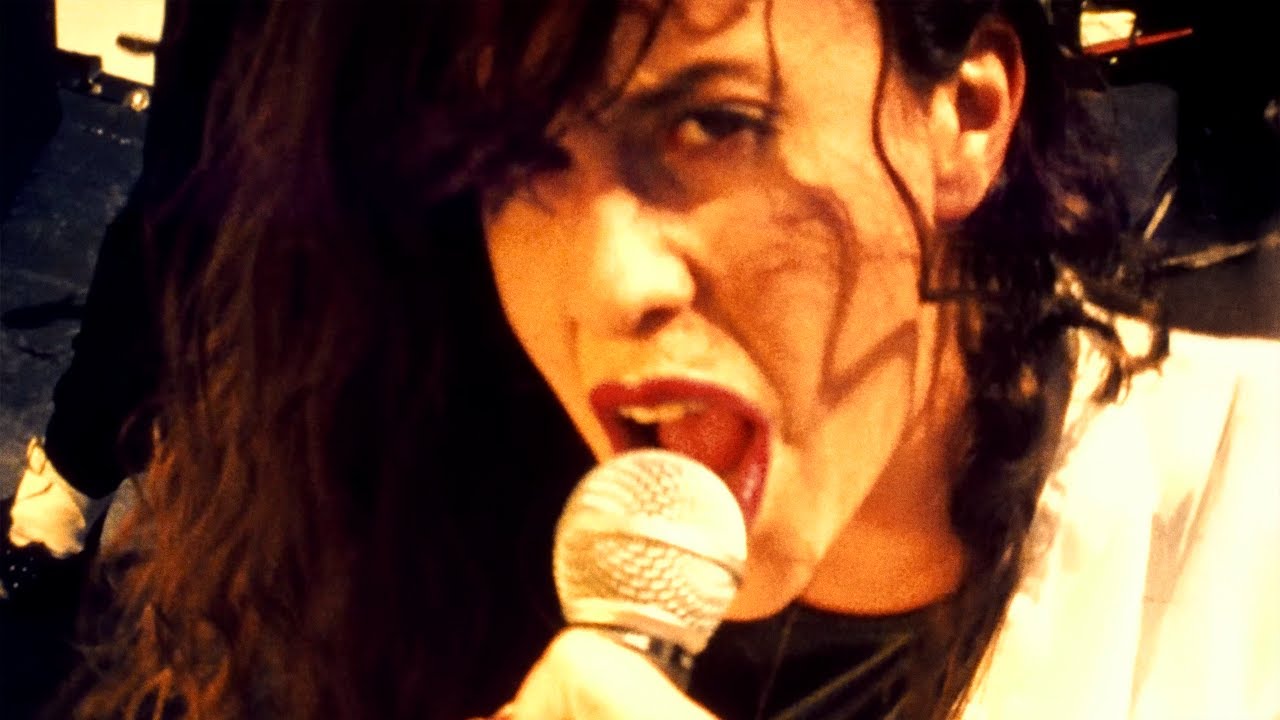
Tidal (1996), made of songs she wrote as a teenager after her first breakup, sold 2.7 million copies and went triple platinum. "Shadowboxer" and "Sleep to Dream" came first; the third single, "Criminal," released June 2, 1997, reached number 21 on the Hot 100, her only entry there, and won the Grammy for Best Female Rock Vocal Performance. Mark Romanek's video, shot that May with cinematographer Harris Savides, showed Apple sulking in various states of undress; The New Yorker said she looked "like an underfed Calvin Klein model," and it became a reference point for "heroin chic." She has said the song is about "feeling bad for getting something so easily by using your sexuality."
Accepting Best New Artist at the 1997 VMAs for "Sleep to Dream," she told the room: "This world is bullshit. And you shouldn't model your life... about what you think that we think is cool and what we're wearing and what we're saying and everything. Go with yourself." Asked about it by Rolling Stone that January, she said, "When I have something to say, I'll say it." She canceled the last 21 dates of the tour, covered "Across the Universe" for Pleasantville, and began a relationship with director Paul Thomas Anderson that lasted until 2002.
When the Pawn... (1999), produced by Jon Brion, carried a title the length of a poem, written after she read Spin's letters page, that made the Guinness Book of Records; it went platinum, and "Fast as You Can" gave her a first UK Top 40 hit. In February 2000 she left the stage at New York's Roseland Ballroom in tears over the sound. Her third album was delayed so long that fans picketed Sony's New York headquarters in January 2005, wrongly believing the label was withholding it, and Fetch the Bolt Cutters (2020) won two Grammys. She has sold more than 15 million records.
Similar items
Alanis Morissette
The Canadian teen-pop star who reinvented herself as the voice of 90s female rage. Raw, oversharing, absolutely unapologetic about her feelings—she gave the decade permission to be a mess and call it art.

Jewel
Folk's answer to the underdog dream: Jewel went from a coal-heated Alaska homestead to living in a van in San Diego to 12× platinum. Her breakthrough Pieces of You rode a slow burn to the top, and by the late 90s she was unavoidable — poetry collections, platinum albums, two generation-defining radio ballads that felt permanent.

Sheryl Crow
A former Missouri music teacher and Michael Jackson backup singer who broke through in 1994 with "All I Wanna Do," then followed it with "If It Makes You Happy," "Everyday Is a Winding Road" and "Soak Up the Sun." She won nine Grammys along the way.

Garbage
Three Madison, Wisconsin, producers, one Scottish singer, and the bad-mood pop that MTV could not stop playing. Garbage's "Only Happy When It Rains" and "Stupid Girl" made Shirley Manson the alt-rock frontwoman of 1996, Version 2.0 went to number one in Britain, and they even sang a Bond theme.