Linkin Park — Hybrid Theory
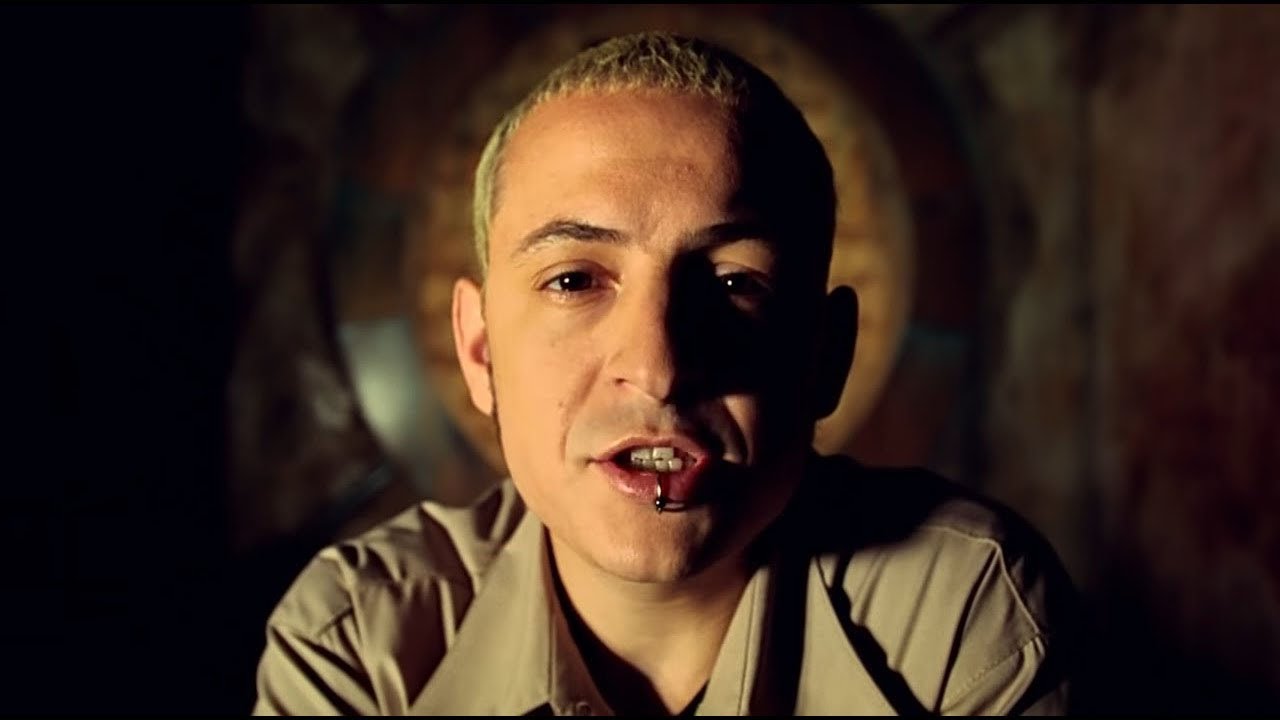
Linkin Park's landmark debut album, released October 24, 2000, blending Chester Bennington's soaring vocals with Mike Shinoda's aggressive rapping over heavy guitars and electronic production. The best-selling album of 2001 in the US, Hybrid Theory became the soundtrack to countless angsty bedrooms and defined nu-metal for a generation.
Hybrid Theory arrived at the perfect cultural moment, when late-90s teen angst was ready for something heavier than pop-punk and the internet was ready to accelerate a band's rise from zero to ubiquity. Tracks like "One Step Closer" and "Papercut" showcased the album's formula—explosive dynamics, introspective lyrics, and a raw vulnerability that resonated with millions of kids in the early 2000s.
But it was "In the End" (2001), with its haunting piano melody and the hook "It doesn't even matter," that became a defining anthem of the decade. The album went on to become one of the best-selling debut albums of all time, and Hybrid Theory's twelve tracks remained a perfectly loop-able, endlessly replayed fixture on iPods and burned CDs throughout the 2000s.
Similar items
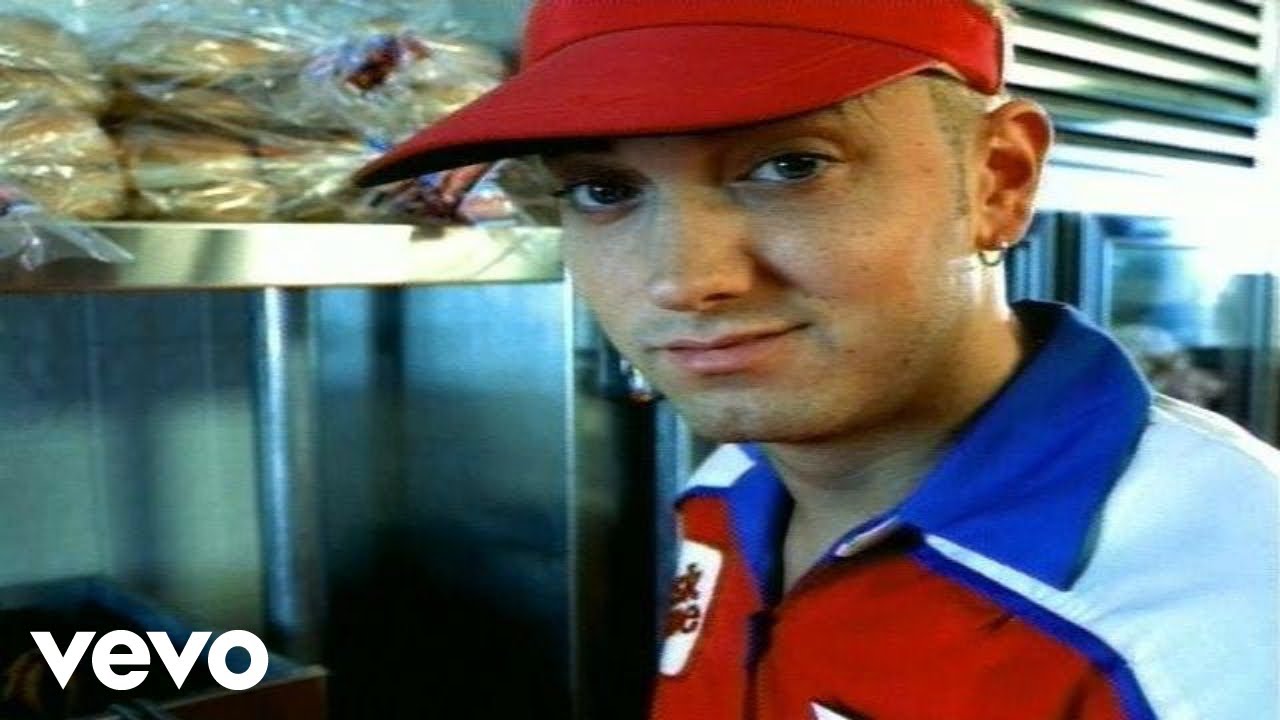
Eminem
Marshall Mathers from Detroit, a white rapper in a Black art form, exploded into stardom with shock-rap alter ego Slim Shady and relentless rhymes. The blond buzzcut, unapologetic controversy, Dr. Dre mentorship, and hits like 'Stan' and 'The Real Slim Shady' made him the biggest and most polarizing star in music during the early 2000s.
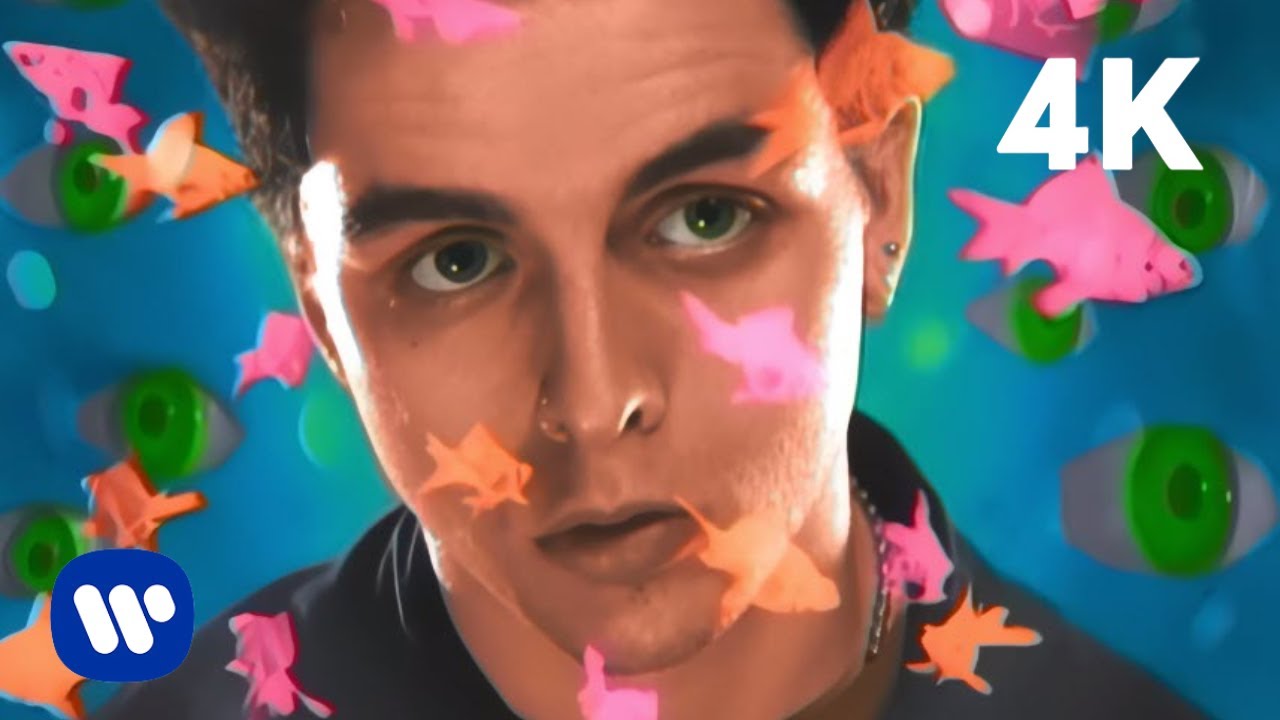
Green Day — Dookie
Green Day's major-label debut smashed punk into the mainstream with three-minute anthems of suburban ennui. Released February 1, 1994, "Longview," "Basket Case," and "When I Come Around" dragged pop-punk from a Bay Area garage to every suburban bedroom in America.
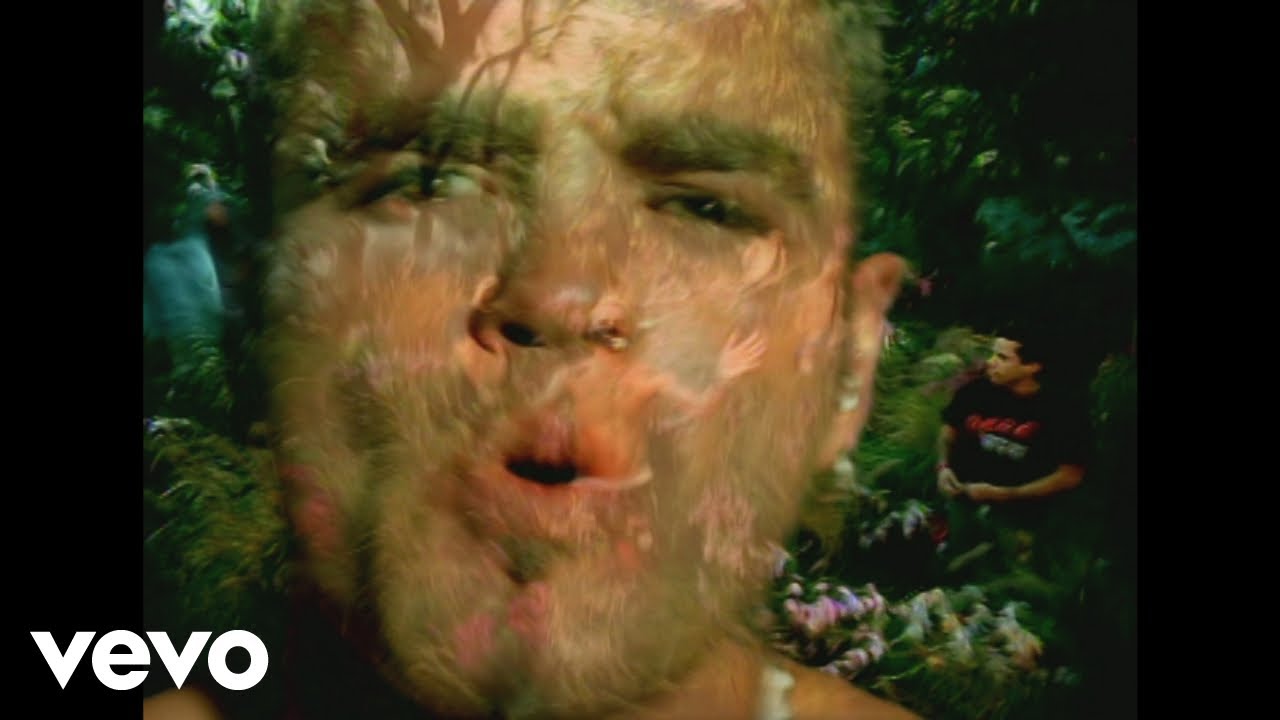
Butterfly
Crazy Town's tattooed valentine — a rap-rock love song floated on a borrowed Red Hot Chili Peppers guitar loop all the way to #1 in spring 2001. The softest thing the nu-metal era ever sent up the charts, from a band that never landed another hit.

Rage Against the Machine
Four guys from Los Angeles whose eight-line chant of refusal became a rite of passage for every suburban kid with a Discman. Rage Against the Machine fused metal, rap and funk to revolutionary politics, tried to hang upside-down flags on Saturday Night Live, charged the New York Stock Exchange for a video, and broke up in 2000 at the height of it.