Edward Norton

The serious young actor of the late-90s multiplex: a Golden Globe and an Oscar nomination for his 1996 debut in Primal Fear, a Best Actor nomination as the reformed skinhead of American History X, and then the nameless narrator of Fight Club. For a few years every ambitious drama seemed to have Edward Norton in it.
Norton was born in Boston in 1969 and raised in Columbia, Maryland; his maternal grandfather was the developer James Rouse, founder of The Rouse Company. He graduated from Yale in 1991 with a history degree, spent a few months working in Osaka, Japan, then moved to New York, studied acting and worked off-Broadway, where playwright Edward Albee cast him in the world premiere of Fragments. In 1995 casting agent Shirley Rich saw his work and put him in front of the producers of Primal Fear.
Released in 1996, Primal Fear cast him as Aaron Stampler, the altar boy accused of murdering an archbishop and defended by Richard Gere's lawyer. The performance won him the Golden Globe for Best Supporting Actor and an Academy Award nomination in the same category, and he made two more films that year, playing Larry Flynt's lawyer Alan Isaacman in The People vs. Larry Flynt and a role in Woody Allen's musical Everyone Says I Love You. In 1998 came Rounders, the poker drama with Matt Damon, and then American History X, in which he played Derek Vinyard, a neo-Nazi who abandons the ideology after three years in prison. Norton reportedly took over the editing himself after clashing with director Tony Kaye, and the film brought his second Oscar nomination, this time for Best Actor.
Fight Club, in 1999, put him opposite Brad Pitt as the unnamed narrator of David Fincher's adaptation of Chuck Palahniuk's 1996 novel. He trained in boxing, taekwondo and grappling for the part. The film split critics and underperformed in theaters, then became a cult classic once the DVD arrived in 2000. Norton described it at the time as a film about Generation X, the first generation raised on television, and the "despair and paralysis" of inheriting a value system built out of advertising.
He kept the run going into the new decade: Keeping the Faith (2000), which he also directed; The Score (2001) with Robert De Niro and Marlon Brando; four films in 2002 including Red Dragon and 25th Hour; then The Italian Job (2003), which Paramount forced him into under a three-film contract and which he refused to promote. Kingdom of Heaven, The Illusionist and The Painted Veil followed, and in 2008 he was Bruce Banner in The Incredible Hulk, a role that went to Mark Ruffalo for The Avengers. Later nominations for Birdman (2014) and A Complete Unknown (2024) brought his Oscar nominations to four, but the run people mean when they say "an Edward Norton movie" is 1996 to 2002.
Similar items

Fight Club
David Fincher's anti-consumerist fever dream — Edward Norton's insomniac narrator, Brad Pitt's Tyler Durden, and a basement club with rules you weren't supposed to talk about. It bombed with critics split down the middle and underwhelmed in theaters, then the DVD turned it into the defining cult movie of its generation.
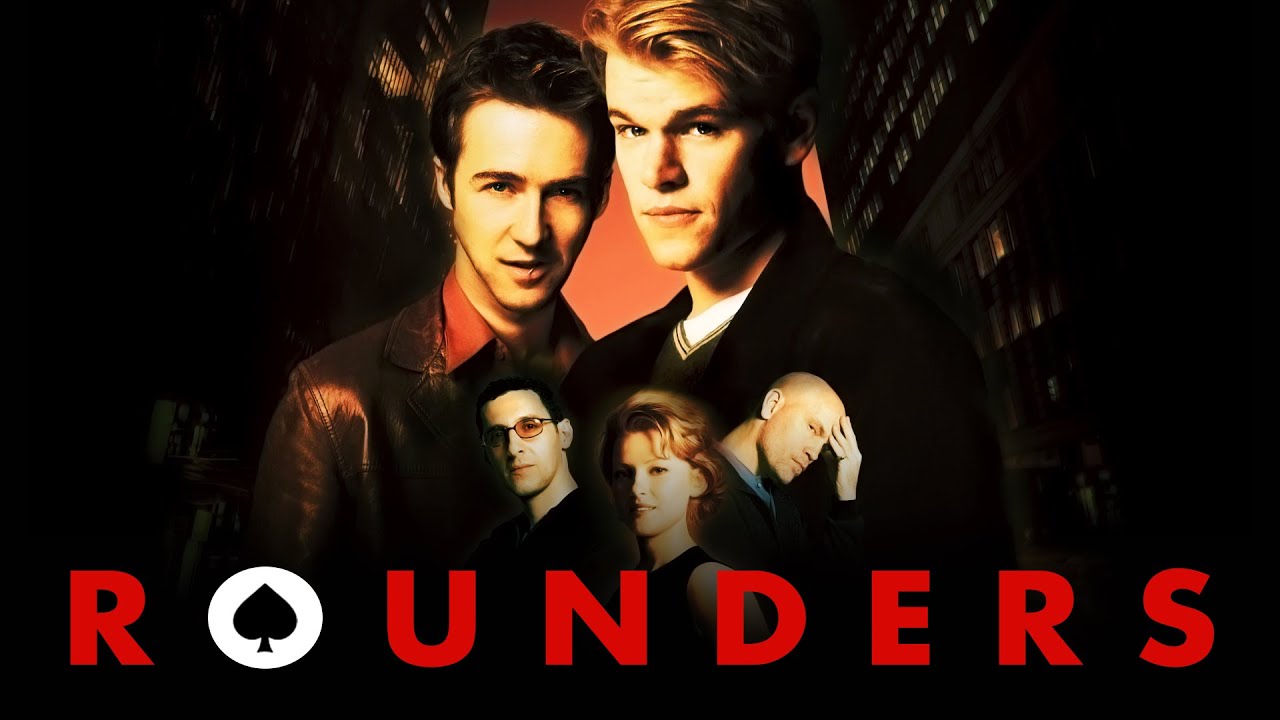
Rounders
Matt Damon as a reformed card shark pulled back to the table, Edward Norton as the friend who keeps dragging him there, and John Malkovich chewing Oreos as a Russian mobster named Teddy KGB. A modest 1998 release that a generation of poker players later adopted as their sacred text.
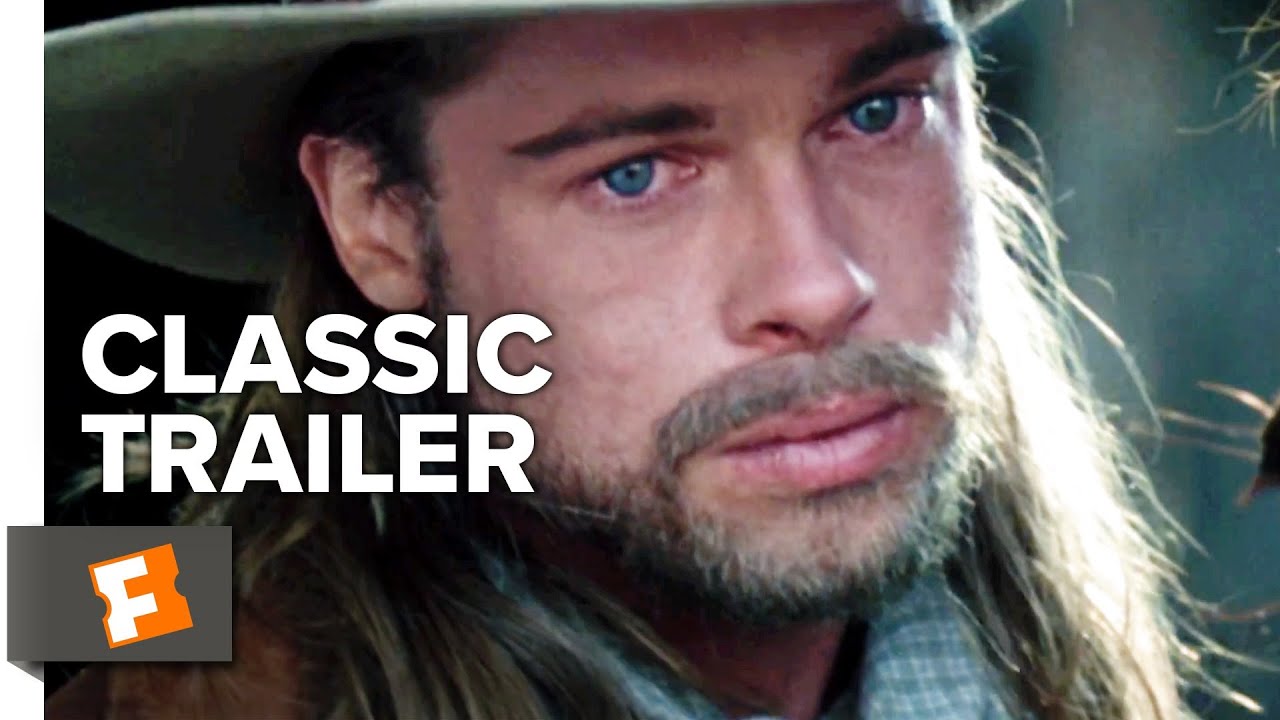
Brad Pitt
The reigning heartthrob of the 1990s — the drifter who stole Thelma & Louise, the golden boy of Legends of the Fall, the detective screaming "what's in the box?", and finally Tyler Durden. No face was taped inside more mid-90s lockers.

Joaquin Phoenix
The child actor once credited as Leaf Phoenix became the decade's most intense leading man: the sneering emperor Commodus in Gladiator (2000), the brother with the baseball bat in Signs (2002), and a Johnny Cash in Walk the Line (2005) who did all his own singing. Then he announced he was quitting movies to rap, and the joke ran for two years.